

🏙️ Fort Lauderdale Webcams Online — Watch the City Live
11 cameras



The Venice of America — a city of canals and white-sand beaches
Fort Lauderdale earned its nickname, the "Venice of America," for good reason. One hundred sixty-five miles of canals crisscross the city, creating a unique waterway network navigated by yachts, speedboats, and pleasure craft. It's a place where tropical vegetation meets urban landscapes, and the Atlantic Ocean washes kilometers of sandy beaches. The city stretches along Florida's southeastern coast, approximately 25 miles north of Miami, and has served as the county seat of Broward County since 1915.
Fort Lauderdale's architecture is a blend of high-rise beachfront condominiums and cozy residential neighborhoods along the canals. Everything here revolves around the water: dockside restaurants, hotels with yacht clubs, parks overlooking the Intracoastal Waterway. The city lives at a tropical pace — unhurried, yet never stopping.
From the Seminoles to a metropolis: the city's history
The lands of modern Fort Lauderdale originally belonged to the Tequesta Native American tribe, and later the Seminoles settled here. The city's European history began in 1838, when Major William Lauderdale built a fort on the banks of the New River during the Second Seminole War. It is his name that became attached to the settlement.
However, the city's real development began only half a century later. In the 1890s, the railroad arrived, and the small fort began transforming into a trading hub. The first major building boom came in the 1920s, but it was interrupted by the Great Miami Hurricane of 1926 and the subsequent Great Depression. During World War II, Fort Lauderdale became a U.S. Navy base, giving a powerful boost to the economy and infrastructure.
The New River and the Intracoastal Waterway
The New River is the heart of the city, connecting the Everglades to the Atlantic Ocean. It divides Fort Lauderdale into two parts and serves as the main navigable artery. Downtown skyscrapers rise along its banks, and yachts continuously move beneath the bridges.
The Intracoastal Waterway is a protected navigable route running through the city, allowing passage from Florida to Virginia. This waterway became one of the reasons Fort Lauderdale transformed into the world capital of yachting. Canals branching off from the main channel penetrate residential neighborhoods, creating a unique landscape where many homes have their own docks.
Las Olas Boulevard — the artery of downtown
Las Olas Boulevard stretches from Andrews Avenue in the Central Business District to the coast. It is Fort Lauderdale's main street, home to galleries, boutiques, restaurants, and nightclubs. The boulevard crosses the New River via one of the drawbridges, offering views of yachts and high-rise buildings.
The area around Las Olas is the cultural heart of the city. Art weekends, exhibitions, and music festivals take place here. The pedestrian zones are filled with tourists and locals who can't imagine life without evening strolls along the canals. During the day, the boulevard attracts shoppers, and at night it transforms into an entertainment hub.
Port Everglades — the cruise capital
Port Everglades opened on February 22, 1928, and today ranks as the third busiest cruise port in the world. It hosts seven major cruise lines and handles millions of passengers annually. The port is located near Fort Lauderdale-Hollywood International Airport, which itself is a major transportation hub — the 18th busiest in the United States by passenger traffic.
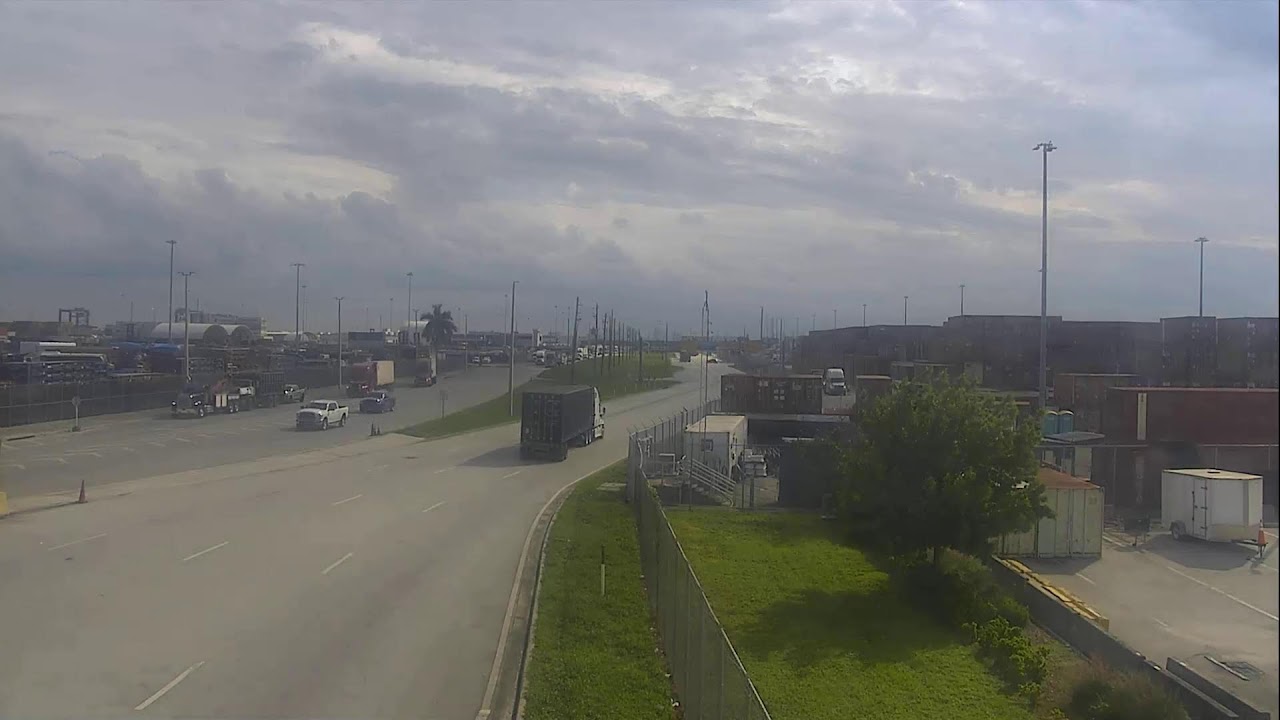
The giant cruise liners entering the port have become part of the city's landscape. Watching their arrival and departure is possible from the waterfronts and observation decks. The port also handles cargo shipments, making it a key economic asset of the region.
Fort Lauderdale Beach and the Atlantic Coast
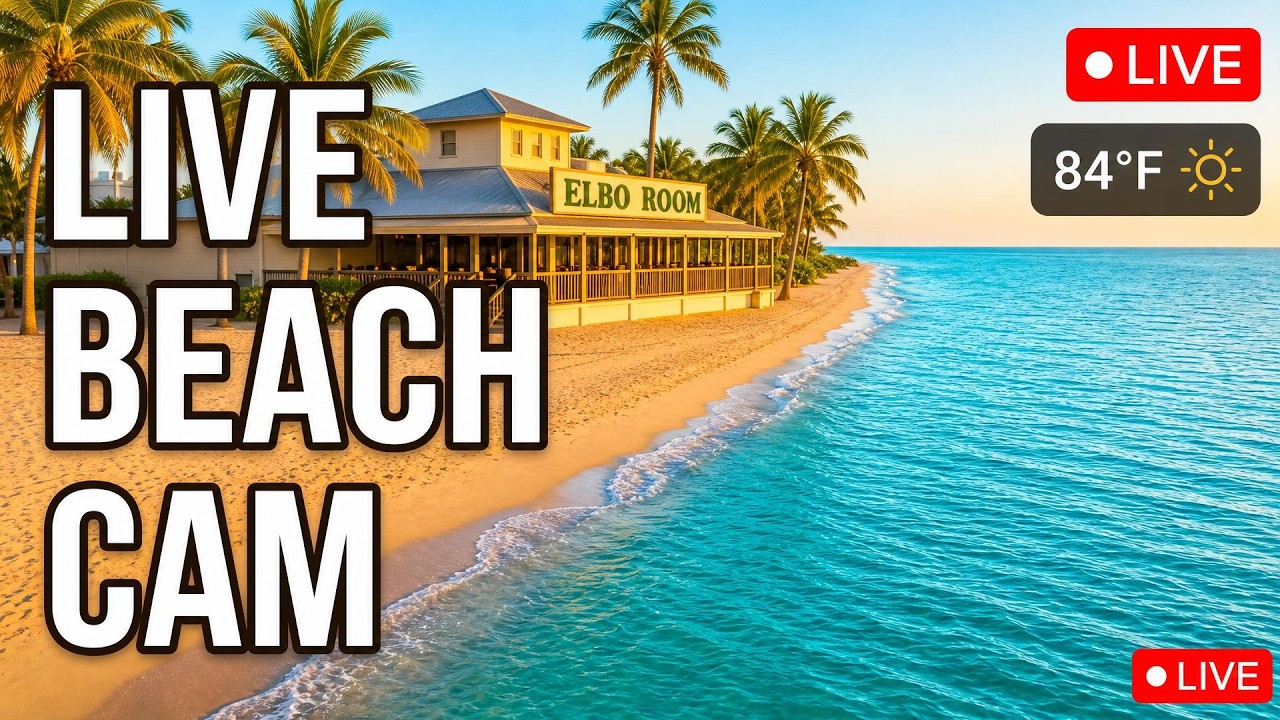
Fort Lauderdale Beach is a stretch of white sand along the Atlantic Ocean, recognized as one of the best urban beaches in the country. The wide shoreline, clean water, and developed infrastructure attract vacationers year-round. The beachfront promenade is filled with runners, cyclists, and casual strollers.
John U. Lloyd Park, opened in 1976, is located south of the main beach and offers a more relaxed atmosphere. Historically, this area was a recreation spot for African American citizens during segregation, and today it has become a public space for all visitors. The Fort Lauderdale coast is not just for swimming — it's also for surfing, paddleboarding, and pier fishing.
Climate and tropical atmosphere
Fort Lauderdale lies in a tropical monsoon climate zone. Summers here are hot and humid with frequent thunderstorms, winters are warm and dry. The average January temperature is around 20°C, July around 28°C. This climate makes the city attractive to visit at any time of year, though the hurricane season from June to November requires attention to forecasts.
Tropical vegetation — palms, hibiscus, bougainvillea — creates a sense of perpetual vacation. Evening sunsets over the Atlantic Ocean paint the sky in orange-pink hues, and the nighttime city is illuminated by the neon lights of waterfronts and bridges.
Neighborhoods and city life
Fort Lauderdale consists of many neighborhoods, each with its own character. Downtown is the business and cultural center with high-rise buildings. Victoria Park and Cole Canal are residential quarters with historic architecture. Hollywood Beach and Lake Ridge are quiet neighborhoods with parks. To the west of the city, suburbs begin, gradually transitioning into the Everglades.
The city's population exceeds 180,000, and the Broward County metropolitan area counts nearly two million. It is a multicultural city with strong Latin American influence, reflected in the cuisine, music, and everyday life. Cafés with Cuban coffee, seafood restaurants, street festivals — all this creates the unique atmosphere of a tropical metropolis.
What the cameras show
Fort Lauderdale webcams online allow you to see the city in real time: from the Atlantic coast beaches to the downtown canals. Coastal broadcasts show the sandy shoreline, the promenade, and ocean waves. Cameras on Las Olas Boulevard reveal pedestrian traffic and architecture. Views of the Intracoastal Waterway showcase yachts and drawbridges.
For monitoring weather and atmospheric conditions, cameras pointed at the horizon are useful — they show storm fronts and sunsets. Airport broadcasts provide insight into the region's air traffic. All Fort Lauderdale webcams are available free of charge and without registration — simply select the location you're interested in and watch the live stream in HD quality.