

🏙️ Denver Webcams Online — Watch the Colorado Capital in Real Time
2 cameras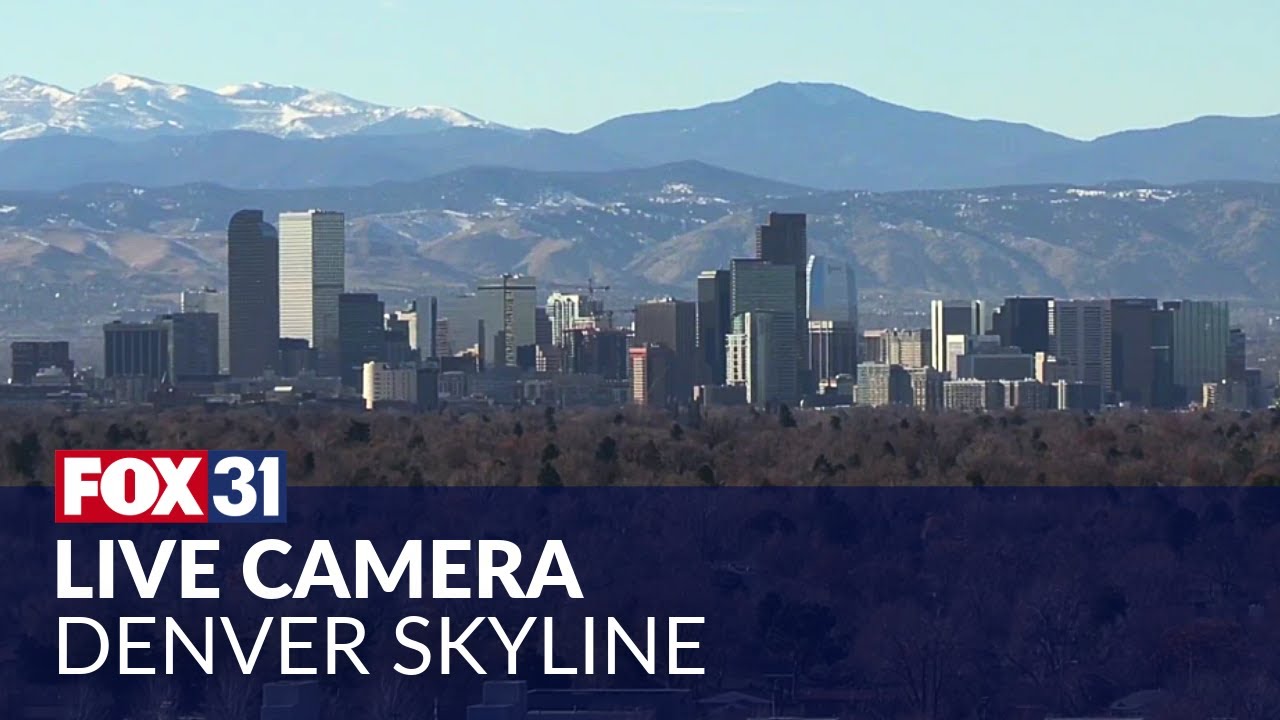

Denver History: From Gold Rush to Metropolis
Denver began as a mining camp — in November 1858, thousands of fortune seekers flooded in after gold was discovered in the foothills of the Rocky Mountains. The city was founded in the midst of the Colorado gold rush, when the site of the modern metropolis had not a single permanent resident. In just three decades, the region's population soared from zero to nearly 200,000 people — such growth rates were typical of the Wild West gold fields.
Interestingly, the settlement got its name thanks to the cunning of its founder, George Larimer. He named the town after Kansas Territory Governor James Denver, hoping for political benefit. The governor had already resigned by that time, but the name stuck. In 1861, Denver officially received city status, and in 1867 it became the capital of the Colorado Territory.
The first permanent building in the settlement turned out to be a saloon — a bar, not a church or a store, which briefly characterizes the morals of the first inhabitants. Today, only the restored facades in the LoDo (Lower Downtown) district remind of those times, where breweries and restaurants sit alongside Victorian mansions.
Geographic Location and Climate
Denver sits at an elevation of exactly one mile (1,609.344 m) above sea level, earning it the nickname "The Mile High City." The exact one-mile mark is carved into the 13th step of the west staircase of the Colorado State Capitol — tourists regularly take photos at this spot.
The climate here is semi-arid continental: over 300 sunny days a year, sharp temperature swings, and the famous "March snowstorms" that can hit the city even in late spring. The air is thinner due to the altitude, and solar radiation is more intense — locals joke that they get a tan even in winter.
Architectural Symbols and Landmarks
The Colorado Capitol is not only a political center but also an architectural landmark. Its golden dome is visible from many points in the city, and the west staircase offers a panorama of the Rocky Mountains. Nearby lies Civic Center Park — the heart of cultural life, hosting festivals and open-air concerts.
One of Denver's most unusual symbols is located far from the center — at the entrance to the international airport. The giant "Blue Mustang" sculpture, 9.8 m tall and weighing 4.1 tons, is bright blue with glowing red eyes at night, evoking mixed feelings among viewers. Locals nicknamed it "Blucifer" — a blend of "blue" and "Lucifer." The author, Luis Jiménez, died during the installation of the sculpture, adding to its dark fame.
The airport itself is a separate attraction. It is one of the largest airports in the US with over 60 million passengers annually, and its white tent-like roofs have been the subject of numerous conspiracy theories due to Masonic symbolism and strange murals in the terminals.
City Neighborhoods: From Historic Center to Hipster Quarters
LoDo (Lower Downtown) is Denver's oldest neighborhood, where it all began. Today it's a hub of breweries, trendy restaurants, and nightclubs housed in restored Victorian buildings. Union Station — the historic 1881 train station, transformed into a public space with a hotel and gourmet market.
The RiNo (River North Art District) neighborhood has become a hipster mecca: building walls are covered in murals, former warehouses now house craft breweries and galleries. It was here that the "cheeseburger" trademark was registered — another reason for local pride.
Capitol Hill is a bohemian quarter with eclectic architecture, antique shops, and an LGBTQ+ community. Cherry Creek is the opposite: upscale boutiques, spas, and quiet residential streets. And along Colfax Avenue stretches the city's longest thoroughfare — 26 kilometers of bars, motels, and neon signs, described by Jack Kerouac in "On the Road."
Culture and the Arts
The Denver Art Museum attracts visitors not only with its collection but also with its building — its angular deconstructivist design has become an architectural icon. Nearby are the Museum of Contemporary Art and the Center for the Performing Arts, which hosts Broadway musicals and opera productions.
The city is famous for its brewing culture: it has more breweries per capita than any other American city. The Great American Beer Festival draws thousands of participants each year. And in the Union Station area, there's a beer museum telling the history of brewing in the West.
Economy and Transportation Infrastructure
Denver is the largest economic center of the Rocky Mountains. It is home to companies in aerospace, energy, and high technology. The international airport, with its 60 million passengers a year, provides connections to dozens of countries worldwide.
Public transportation includes the RTD Light Rail system covering the suburbs and a free bus along the 16th Street Mall — a mile-long pedestrian zone where private vehicles are prohibited. To monitor traffic in real time, Denver webcams are convenient — they show highway congestion and weather conditions in different parts of the city.
Sports and Outdoor Activities
Denver is one of the few American cities with teams in all four major leagues. The Denver Broncos (NFL), Denver Nuggets (NBA), Colorado Rockies (MLB), and Colorado Avalanche (NHL) fill the stands. Empower Field at Mile High seats 76,000 spectators and is famous for the roar of fans, which, according to measurements, reaches 120 decibels.
The proximity to the Rocky Mountains makes Denver a gateway for skiing, hiking, and mountain biking. Within a two-hour drive are dozens of resorts, including Vail and Breckenridge. In summer, rafting and camping in Rocky Mountain National Park are popular.
What the Cameras Show
Denver webcams online cover key points in the city: panoramic broadcasts with views of the Rocky Mountains, cameras on the 16th Street Mall where you can always assess the liveliness of the pedestrian zone, and airport streams showing the famous white tent terminals. Downtown Denver street webcams show traffic on Colfax Avenue and the Capitol architectural ensemble.
For those who want to see the city at night, 24/7 streams are available with the neon glow of LoDo signs and the flickering lights around Union Station. A Denver webcam in real time is a chance to feel the rhythm of the Colorado capital without leaving home: watch the weather change, morning traffic jams, or sunset reflections on the glass facades of skyscrapers.