

🏙️ Cincinnati webcams online — watch the city in real time
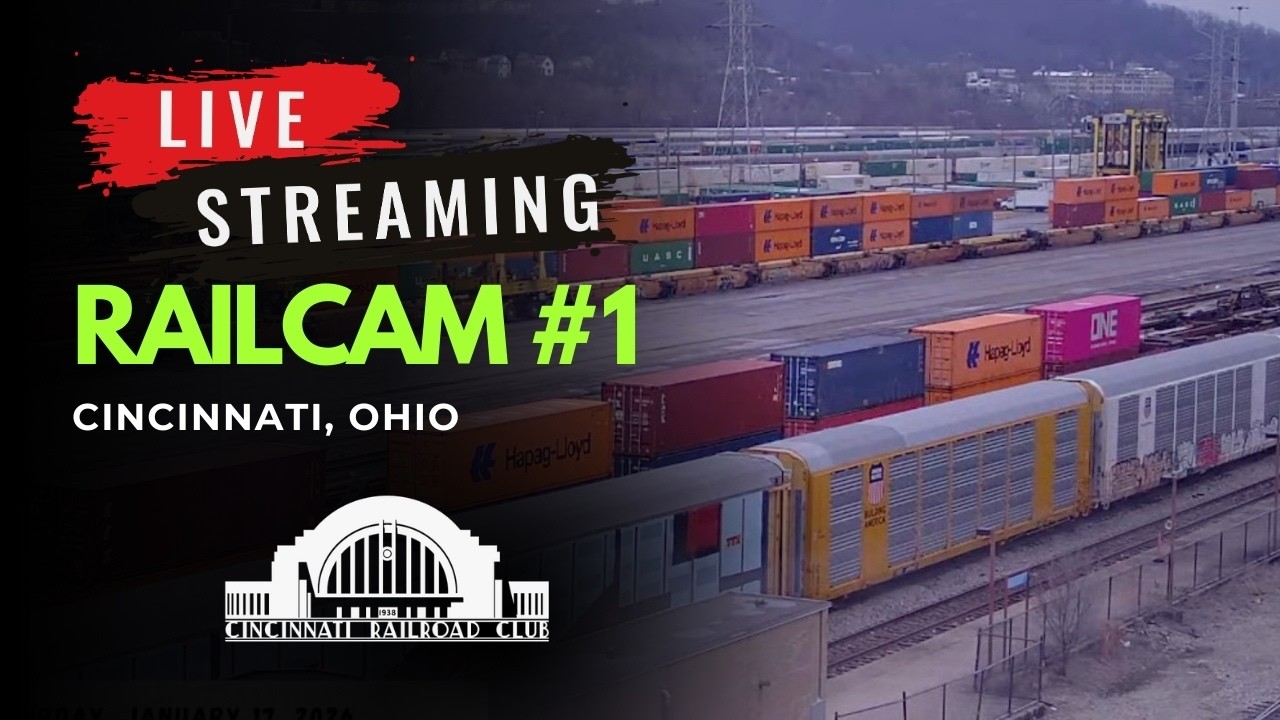
2 cameras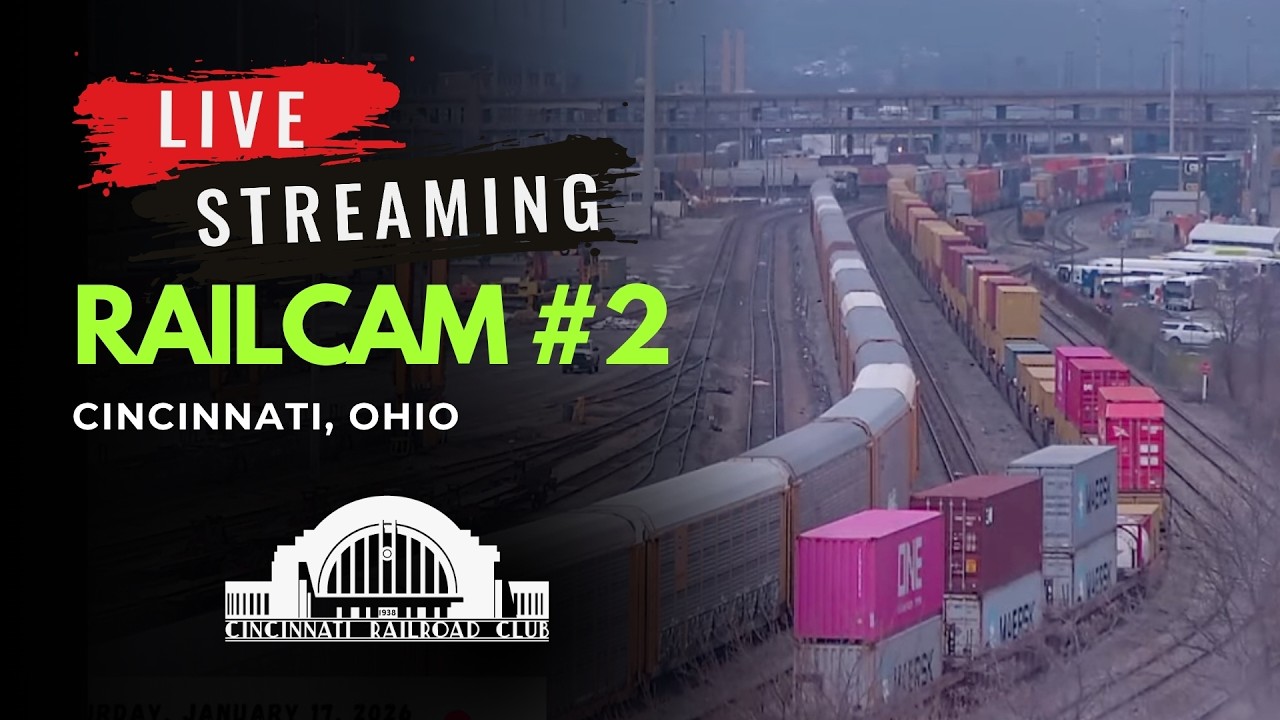
Cincinnati — the pearl of the Ohio Valley
On the bend of the river that shares its name, where hills meet the water, stands a city known by many names — "Queen of the West" and "Porkopolis" alike. Cincinnati is a place where German heritage intertwines with American practicality, and historic facades gaze upon modern glass towers. If you want to feel the pulse of this city before seeing it in person, Cincinnati webcams online are the quickest way to peek into its streets. Open the stream and you'll see how dawn paints the riverfront, how locals rush to work, how slowly the Ohio River flows beneath the Roebling Suspension Bridge.
The city was founded in 1788 and named after the Society of the Cincinnati — an organization of Continental Army officers, which in turn took its name from the Roman dictator Lucius Quinctus Cincinnatus. Thus, an ancient ideal of civic virtue was inscribed on the map of the New World. Today, Cincinnati is a city of about 310,000 people, the center of a large metropolitan area with over two million residents. It is the third-largest city in Ohio, and its significance for the region is hard to overestimate.
Historical heritage: from the Society of Cincinnati to the "Queen of the West"
The city's name is a tribute to ancient Rome. John Clement St. Clair, governor of the Northwest Territory, proposed the name in honor of George Washington, who was called "the American Cincinnatus." The Society of Cincinnati, founded in 1783, became America's first patriotic organization. Thus, the city received a name that carries the idea of humility, service, and a return to peaceful life.
In the 19th century, Cincinnati rapidly grew as a river port and meatpacking center. The nickname "Porkopolis" appeared in the 1820s when the city became the leading hog-farming center in the United States. By 1840, more pigs were slaughtered here than anywhere else in the country. By the end of the century, the glory of the butcher gave way to new reputations — the "Queen of the West," the cultural capital of the Midwest. The city's golden age left behind magnificent Italian Renaissance and Beaux-Arts buildings, many of which still stand today.
During the Civil War, Cincinnati was an important transfer point for the Union Army. The city was fortified, with hospitals and warehouses located here. After the war, a rapid growth began that transformed the port settlement into a true metropolis. Today, Cincinnati webcams show these historic quarters — from the Over-the-Rhine riverfront to the Victorian mansions in the Clifton neighborhood.
Find your neighborhood: from Over-the-Rhine to Hyde Park
Cincinnati is a city of neighborhoods, each with its own character. Over-the-Rhine is the historical heart of 19th-century German immigration, named after the Miami and Erie Canal, which locals called the "Rhine." Today, it is one of the largest Italian Renaissance-style neighborhoods in the United States. Brick facades, decorative cornices, and arched windows capture an era when German craftsmen built entire districts within a few decades.
Hyde Park is a completely different atmosphere. Quiet residential streets, coffee shops, independent stores, Hyde Park Square — a square around which life buzzes every evening. Students from the nearby University of Cincinnati make this neighborhood youthful and dynamic. Mount Adams is a bohemian hill with views of the city center, the river, and factory chimneys beyond. Northside is the place for artists, musicians, and those seeking alternative culture.
Each neighborhood is a separate story. Cincinnati webcams online allow you to move from one to another in seconds, comparing the style of streets and the rhythm of life. In one stream, you'll see the strict glass facades of Downtown; in another — cozy mansions with porches in Clifton or lively intersections in Northside.
Architectural gems: Union Terminal and other masterpieces
Cincinnati Union Terminal is one of the most famous examples of Art Deco in America. Opened in 1933, it was built as a railway station serving seven railway companies. Its mosaic dome, 180 feet in diameter and 55 feet high, is one of the largest hemispherical vaults in the world. Today, the building is home to the Cincinnati Museum Center — a complex that includes a Natural History Museum, Children's Museum, Historical Library, and OMNIMAX theater.
The building was listed on the National Register of Historic Places and designated a National Historic Landmark. The walls are adorned with mosaics by Winold Reiss depicting the region's industrial and transportation history. It's not just a museum — it's a monument to the era of railroad travel, when trains were the most luxurious form of transportation.
Another architectural pride is the Roebling Suspension Bridge, opened in 1866. Designed by John Roebling, it served as a prototype for the Brooklyn Bridge, which the same engineer built later. The main span stretches 1,057 feet, making it the longest suspension bridge in the world at the time of its opening. Today, pedestrians and vehicles cross the river on the bridge, and neon-style lamps highlight its silhouette in the dark. Cincinnati webcams with a view of the bridge show how its lighting changes throughout the day — from gray morning fog to golden sunset.
Sports and entertainment: from the first "Reds" to the Flying Pig Marathon
Cincinnati holds a special place in American sports history. It was here in 1869 that the Cincinnati Red Stockings were founded — the first professional baseball club in history. Before that, all teams were considered amateur, but the "Red Stockings" were the first to openly pay players for participation. Their 1869 season ended with an impressive record of 57 wins and 0 losses. Today, the legacy continues with the Cincinnati Reds — one of the oldest Major League Baseball teams, playing at Great American Ball Park.
The football team Cincinnati Bengals gathered fans across the country, reaching the Super Bowl in 1982 and 1989. But there is an event of a completely unique nature in the city — the Flying Pig Marathon. The name was given in honor of a winged pig statue installed in tribute to the city's meatpacking history. Every May, tens of thousands of runners cross the Roebling Bridge, run through the streets of Cincinnati, and finish at the riverfront. Webcams on marathon day show an amazing sight — a stream of people stretching for kilometers, and a sky full of festive lights.
Culinary capital: chili, Findlay Market and gastronomic discoveries
Cincinnati is one of the few places where the word "chili" doesn't mean a spicy Mexican dish, but a unique local recipe. Cincinnati chili is a thick sauce with cinnamon, chocolate, cloves, and other spices, served over spaghetti with shredded cheddar and beans. This tradition appeared in the 1920s when immigrants from Macedonia and Greece adapted a Greek sauce for American tastes. Today, the Skyline Chili chain is a local legend with dozens of locations.
Findlay Market is the oldest continuously operating market in Ohio, opened in 1852. It's not just a place to buy food, but a true open-air public square. On Saturdays and Sundays, farmers, bakers, butchers, and artisans gather here. Findlay Market's farmers market surrounds a historic Beaux-Arts building and is one of the city's main gastronomic destinations. Cincinnati webcams with a view of the Over-the-Rhine neighborhood show morning shoppers hurrying to stalls and tents with farm goods being set up.
Nature and parks: zoo, riverfronts and green oases
Cincinnati Zoo & Botanical Garden is the second oldest zoo in the United States, opened in 1875. Over 150 years, it has grown from a small animal collection into one of the country's leading zoological parks. The last Carolina parakeet (Conuropsis carolinensis) in the world — named Incas — died here in 1918, becoming a symbol of species extinction. Today, the zoo ranks among the top ten zoos in North America and is home to more than 500 animal species.
The Ohio River waterfront is where the city breathes. Smale Riverfront Park is a 32-acre park with swings, fountains, a musical pavilion, and a garden stretching from the floodwall to the water. Sawyer Point is another green space popular with runners, cyclists, and those who just want to sit by the water. Cincinnati webcams on the riverfront show how the river changes with the seasons — from winter ice to summer greenery and autumn colors on the hills.
Eden Park is 488 acres of hilly parkland with an artificial lake, botanical gardens, and Krohn Conservatory greenhouses, where blooming orchids and tropical plants can be found in winter. From here, views open onto the river, the Roebling Bridge, and Kentucky beyond. This is one of those places where nature and city coexist in harmony.
What the cameras show
The Cincinnati webcam catalog covers key points of the city: the Ohio River waterfront, Fountain Square in the historic center, the Over-the-Rhine neighborhoods, Hyde Park area, stadiums, and the Roebling Suspension Bridge. Choose a camera and you'll see the Queen of the West come to life in real time. In the morning — it's fog over the river and the waking city, during the day — noisy streets and green parks, in the evening — riverfront lights and quiet residential courtyards. Watch Cincinnati online — no delays, no flights, in one click.