

🏳️ Anguilla Webcams Online — Watch in Real Time
1 cameras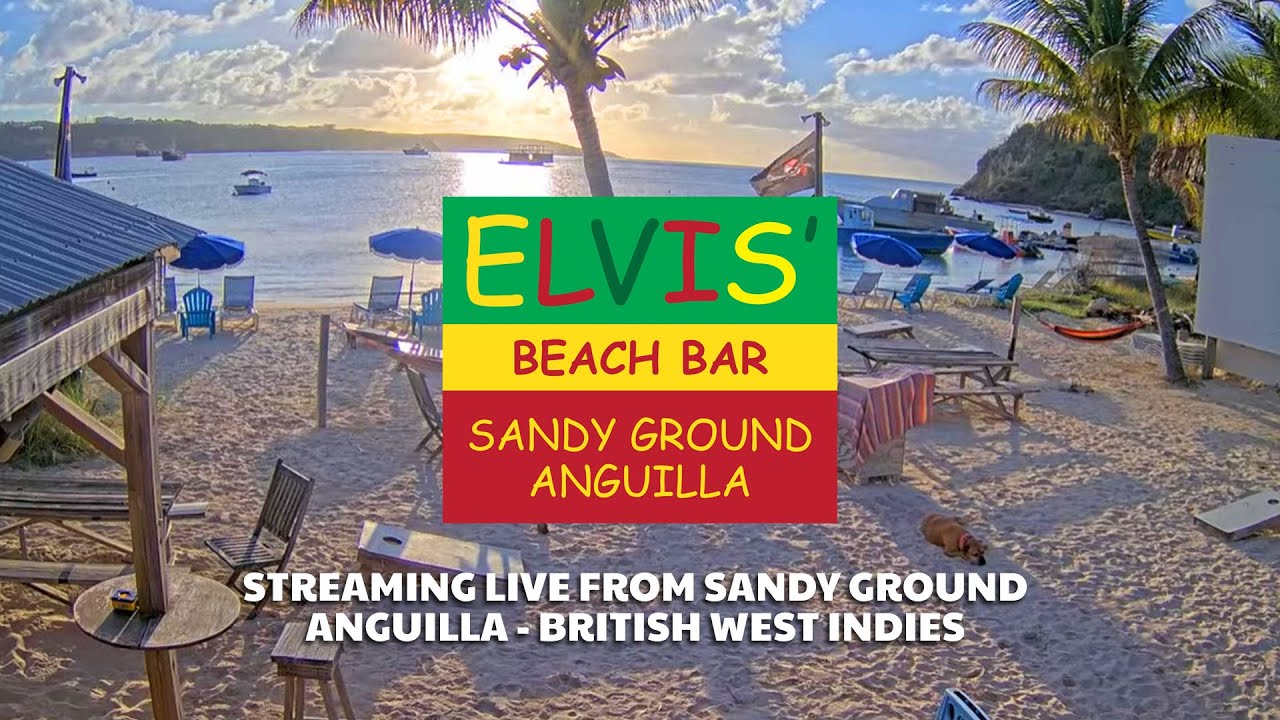
Geographical Location and Island Features
Anguilla is a British Overseas Territory in the Caribbean Sea, located in the northern part of the Lesser Antilles. This small island with an area of 91 km² (35 sq. miles) is washed by the waters of the Atlantic Ocean to the east and the Caribbean Sea to the west. The terrain is predominantly low-lying — the maximum elevation is only 65 m (213 feet) above sea level (Crocus Hill). The coastline is indented with numerous bays and lagoons, and a chain of coral reefs stretches around the island, creating natural barriers against ocean waves.
Anguilla belongs to a group of islands often called the "quiet Caribbean" — there are no large resorts with high-rise hotels, noisy nightclubs, or hustle and bustle. The island has preserved its pristine appearance, attracting travelers seeking solitude and a peaceful beach holiday. Thanks to its status as a British Overseas Territory, Anguilla is characterized by a high level of safety and political stability.
Brief History of Anguilla
Before the arrival of Europeans, Anguilla was inhabited by Arawaks — an indigenous tribe engaged in fishing and growing cotton and root vegetables. The Arawaks left behind rock paintings — petroglyphs that can still be seen in Fountain National Park. The island was discovered by Christopher Columbus in 1493 during his second voyage to America, but the Spanish did not colonize this small territory.
British colonization began in 1650 when settlers from St. Kitts arrived on the island. Since then, Anguilla has remained under British control, except for a brief period in 1967 when the island declared itself an independent Republic, but British control was restored in 1969. Today, Anguilla is a self-governing overseas territory of the United Kingdom with its own parliament and government.
Capital and Major Settlements
The capital of Anguilla is the town of The Valley, located in the center of the island on the coast. This is a small town with a population of about 1,500 people, which serves as the administrative and commercial center of the territory. Government buildings, banks, shops, and restaurants are located here. The architecture of The Valley combines colonial buildings with modern structures, and colorful shops and cafes line the main street.
Other significant settlements include Blowing Point — the main ferry terminal connecting Anguilla with St. Maarten, as well as Shoal Bay, Meads Bay, and Sandy Ground — popular resort areas with beaches and restaurants. The total population of the island is about 15,000 people (2021 estimate), and the official language is English.
Natural Attractions and Beaches
Anguilla is famous for having some of the best white sand beaches in the world. The island's coastline stretches for over 33 kilometers, and virtually every section of the shore is an idyllic beach with fine white sand and crystal-clear turquoise water. Shoal Bay East is considered the jewel of the island — a two-kilometer stretch of sand lined with palm trees, with gentle waves ideal for swimming and snorkeling.
Meads Bay is another beach worth noting: one and a half kilometers of soft sand surrounded by luxury hotels and restaurants. Rendezvous Bay attracts visitors with its calm waters and picturesque sunsets. And on the western coast lies Barnes Bay — a more secluded spot popular among kayaking and windsurfing enthusiasts.
Rare species of sea turtles inhabit the coastal waters — green turtles and loggerheads, and coral reefs teem with tropical fish. The island is also home to numerous species of exotic birds, including frigatebirds and pelicans, which can be observed in their natural habitat.
Culture and Traditions of Local Residents
The culture of Anguilla is a unique blend of African, European, and Caribbean traditions. The locals, who call themselves "Anguillians," carefully preserve their ancestors' heritage and pass down customs from generation to generation. One of the most vibrant traditions is Moko Jumbies — traditional stilt walkers in colorful costumes who perform at festivals and celebrations. This tradition, passed down through generations, symbolizes resilience, adaptability, and the celebration of life.
Music and dance occupy a central place in the cultural life of the island. Calypso, reggae, and soca can be heard at festivals and carnivals held throughout the year. The Anguilla Summer Festival is the main cultural event, featuring parades, beauty contests, musical performances, and fireworks. The local cuisine also reflects cultural diversity: dishes of seafood, goat meat, tropical fruits, and spices are served in restaurants and at beach parties.
Historical and Archaeological Sites
For history enthusiasts, Anguilla offers several unique attractions. Fountain National Park contains Amerindian petroglyphs, freshwater pools, and a stalagmite resembling the figure of Jocahu — an important cultural site. These rock paintings, left by the Arawaks thousands of years ago, are among the most significant archaeological attractions on the island.
The Heritage Trail allows you to explore historic churches, plantation ruins, and colorful villages. Information boards along the route tell about the island's colonial past, slavery, and struggle for independence. Key sites include Wallblake House, built in 1787 and one of the oldest buildings on the island, as well as 19th-century sugar plantation ruins.
The coat of arms of Anguilla is adorned with three dolphins, symbolizing the island's proximity to the habitats of these marine animals. Dolphins are frequently encountered in coastal waters and have become an unofficial symbol of Anguilla, embodying the friendliness and freedom of the local people.
Climate and Best Time to Visit
Anguilla is located in a tropical climate zone with warm weather year-round. The average air temperature ranges between 26°C and 31°C, and the sea water temperature rarely drops below 25°C. The rainy season lasts from June to November, during which the island is in the path of Atlantic hurricanes. However, due to its low-lying terrain and protected position, Anguilla is less frequently hit by direct hurricane strikes than other Caribbean islands.
The best time to visit is from December to April, when the weather is driest and most comfortable. During this period, the sky is clear, the wind is moderate, and humidity is lower than in the summer months. However, even during the rainy season, precipitation is usually short-lived and falls in the form of tropical downpours, after which sunny weather quickly returns.
Economy and Tourism on the Island
Tourism is the backbone of Anguilla's economy, accounting for over 60% of gross domestic product. The island positions itself as an elite destination for travelers seeking seclusion and high levels of service. There are no cruise terminals, large hotels, or mass tourism here — instead, guests are welcomed by boutique hotels, villas, and private residences.
Anguilla consistently ranks among the top three islands in the Caribbean according to prestigious travel ratings. The island's restaurants offer fine dining using local seafood and organic products. The financial sector is also well-developed — Anguilla is a popular offshore center with zero taxation for foreign companies.
Safety and Infrastructure
Anguilla has a zero crime rate and is considered one of the safest places in the Caribbean. The locals are hospitable and friendly, and the police maintain order without excessive bureaucracy. For tourists, this means the ability to walk along beaches and streets peacefully at any time of day.
The island's infrastructure is highly developed: modern roads, the Clayton J. Lloyd International Airport, ferry connections to St. Maarten and St. Barthélemy. Medical facilities meet British standards, and communications and internet are available throughout the island. The currency is the East Caribbean dollar (XCD), although US dollars are also widely accepted.
What the Cameras Show
Anguilla webcams online offer views of white beaches, lagoon bays, and the capital The Valley. Live broadcasts operate in real time and allow you to observe the life of the island from anywhere in the world. The platform features cameras located at key points in Anguilla: on Shoal Bay and Meads Bay beaches, in the Blowing Point port area, in the capital The Valley, and on the Rendezvous Bay coast.
You can watch Anguilla online for free and without registration — all broadcasts are available 24/7 in HD quality. The cameras show tropical weather, marine landscapes, yacht movement in the bays, and the daily life of local residents. This is a great opportunity to plan a trip, assess weather conditions before traveling, or simply enjoy the beauty of a Caribbean paradise without leaving home. Anguilla webcams are your window to the world of white sands and turquoise waters of the Caribbean Sea.