

🏙️ Webcams Elm Switzerland — watch the village in real time
1 cameras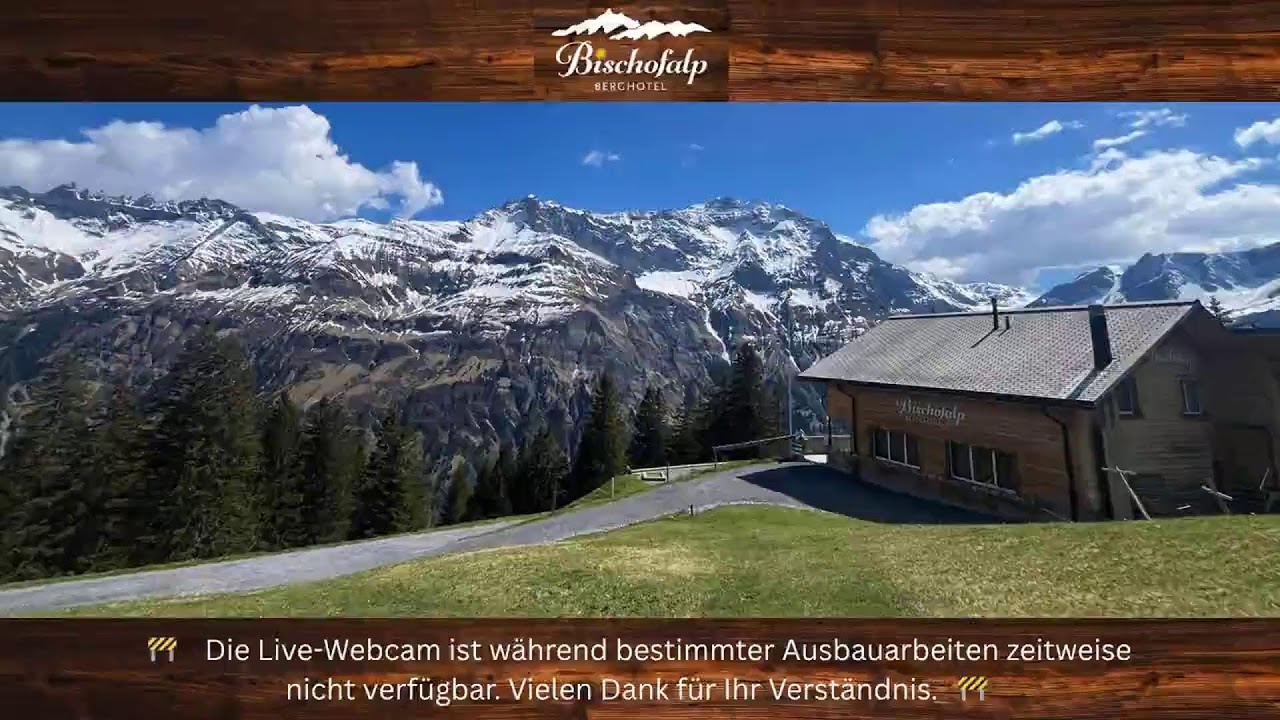
History of Elm village — from disaster to ski resort
Elm is a small Swiss village in the canton of Glarus, whose history is inextricably linked with dramatic events and natural disasters. The Sernf River valley, where Elm is located, has shaped the way of life of local residents for centuries — livestock farming, slate quarrying, and woodworking formed the economy of this isolated settlement. But it was the uncontrolled slate mining on Tschingelberg mountain that led to the tragedy that forever inscribed Elm in Swiss history. On September 11, 1881, a catastrophic landslide destroyed 83 buildings and claimed the lives of 115 people. This event became a turning point — after the disaster, the village was partially rebuilt, and slate mining ceased forever. Geologist Albert Heim conducted the first scientific study of slope displacement following this catastrophe, making Elm one of the first major landslides to be scientifically studied. Today, Elm is a ski resort attracting tourists from across Europe, but the memory of the 1881 tragedy is carefully preserved in the local museum and at the memorial.
Geographical location and nature of Elm
Elm is located in the Glarus Alps at an altitude of about 977 meters above sea level. The village is the southernmost in the Sernf River valley and is situated in the canton of Glarus, not in Graubünden as sometimes mistakenly indicated. The surrounding landscape is typical Swiss Alps: steep slopes, alpine meadows, mountain streams, and majestic peaks. The climate here is alpine with cold snowy winters and moderately warm summers. Due to its location, Elm remained difficult to access for a long time — a road was only built here in the early 20th century, and a railway connection never appeared. It is this isolation that has preserved the authentic appearance of the village and the pristine nature surrounding it. For those who want to see this beauty with their own eyes, Elm webcams online allow you to observe the life of the valley in real time — from weather conditions to seasonal changes in the landscape.
Martinsloch — the solar wonder of the Alps
One of the most amazing attractions of Elm is the natural opening Martinsloch in the Tschingelhorn mountain massif. This massif is part of the UNESCO World Heritage Site "Tectonic Arena Sardona", which underscores the geological significance of the region. Martinsloch is a natural opening about 19 meters wide and 22 meters high, through which sunlight penetrates directly onto the village church on certain days of the year — March 12–13 and September 30 – October 1. This astronomical phenomenon attracts tourists and photographers from all over Switzerland. On these days, the sun passes precisely through the opening, illuminating the church facade with golden light — a spectacle that is impossible to forget. Tschingelhorn itself is impressive: its summit reaches 2,849 meters, and its slopes are a classic example of Alpine tectonics with layers of rock of different ages stacked on top of each other.
Elm ski resort — winter fairy tale in the Glarus Alps
Modern Elm is primarily known as a family ski resort. The resort offers 7 lifts (1 chairlift and 5 surface lifts), 1,277 meters of vertical drop, and 14 slopes with a total length of 40 km. The ski area covers 9,884 acres, providing a variety of slopes for any skill level. A special Globi zone with gentle slopes and safe surfaces is equipped for beginners and children. The snowpark attracts freeride and snowboard enthusiasts. In addition to classic skiing, Elm offers conditions for ski touring and winter hiking — snowshoe routes are laid out, and mountain huts welcome visitors in a cozy atmosphere. Webcams of the Elm ski resort allow you to assess the condition of the slopes and weather conditions before your trip — you can see how much snow is on the slopes and whether the lifts are operating.
Suvorov and Panix Pass — Russian trace in Elm's history
Elm is connected to one of the most dramatic episodes of European military history. In 1799, Russian Generalissimo Alexander Suvorov crossed the Panix Pass with his troops during the retreat to Austria. This alpine crossing became one of the most grueling in Russian military history — Suvorov's troops overcame mountain passes in conditions of early winter, food shortages, and constant skirmishes with French forces. Today, Panix Pass is a popular route for hikers and mountain bikers. Along the paths once trodden by Russian soldiers, tourist routes with information boards telling of Suvorov's campaign are now laid out. The view from the pass opens up a panorama of the Sernf valley and Elm itself — this panorama can also be appreciated through Elm Switzerland webcams installed on the slopes.
Architecture and atmosphere of the village
Elm has preserved the appearance of a typical Swiss alpine village. Traditional houses of wood and stone, decorated with carved balconies and flower boxes, create an atmosphere of coziness and tranquility. The Church of Saints Peter and Paul is the spiritual center of the village, whose facade is illuminated by sunlight through Martinsloch on certain days of the year. Local residents still speak a German dialect, and traditions of livestock farming and cheesemaking are passed down from generation to generation. In summer, Elm transforms into a hiking hub — routes to mountain lakes, waterfalls, and passes start here. The Sernf valley offers dozens of kilometers of marked trails of varying difficulty. In autumn, alpine meadows turn golden, and in winter the village is covered with a snow blanket, turning into a postcard from a Christmas fairy tale.
Climate and best time to visit
Elm's climate is typically alpine with pronounced altitudinal zonation. In winter, temperatures drop to -10°C and below, ensuring stable snow cover from December to March. In summer, the air warms up to 15–20°C, but nights remain cool. Precipitation is evenly distributed throughout the year, with a maximum in the summer months. For skiing, January and February are optimal, when the snow cover is most stable. The summer season from June to September is ideal for hiking and observing Martinsloch. Elm webcams online help you choose the right moment for a trip — you can see the weather, the amount of snow on the slopes, and the overall atmosphere of the village in real time.
What the cameras show
The page features Elm webcams in real time, covering key points of the village and ski resort. Cameras on the slopes show the condition of the runs and the operation of lifts — this is especially useful for skiers planning a day on the slopes. Street cameras in the center of the village broadcast the atmosphere of an alpine settlement: traditional houses, mountain landscapes, and the daily life of local residents. Panoramic cameras offer a view of the Sernf valley and the surrounding peaks of the Glarus Alps. All broadcasts are available free of charge and without registration — simply select the camera you are interested in to see Elm in HD quality. The live stream allows you to assess weather conditions, the amount of snow on the slopes, and the overall situation in the valley before your trip, or simply for a virtual journey through the Swiss Alps.