

🏙️ Brienz Webcams Online — Watch the City in Real Time
1 cameras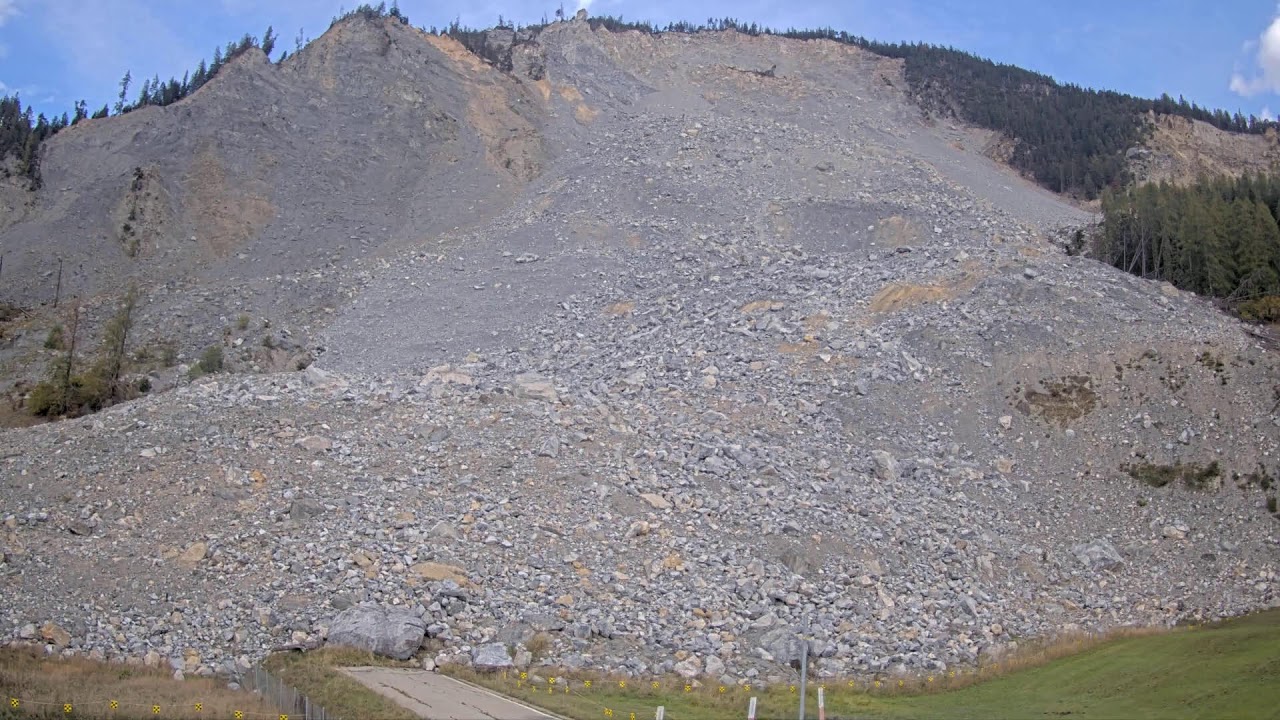
An Eternal Turquoise Window into the Swiss Alps
Immerse yourself in the picturesque world of this Swiss town, discovering breathtaking Brienz landscapes through online webcams. Located on the eastern shore of the lake sharing its name in the canton of Bern, this town is famous for its turquoise waters, framed by emerald forests and mountain peaks. Through your screen, you can observe the daily life of the town, experiencing the magic of the Bernese Oberland from the comfort of your home. A unique natural composition attracts millions of tourists every year, and the opportunity to see it in real time reveals a captivating panorama of alpine life.
Why Lake Brienz Appears Turquoise
The mysterious turquoise-milky color of Lake Brienz's surface inspires awe in everyone who sees it for the first time. Hydrologists explain this phenomenon by river runoff that carries glacial flour — the finest particles of rock ground down by glaciers. This mixture creates a natural filter, making the water so clean and transparent that it shimmers with shades of sky and ice. You can observe this natural wonder from various points in the town, where picturesque embankments and terraces reach the lake waters, serving as ideal platforms for real-time online viewing of the water surface.
Brienz Woodcarving: Traditions of Wood
The deep historical roots of Brienz trace back to the early 19th century, when a catastrophic famine forced residents to seek new sources of income. This compelled the local population to develop the art of woodcarving, which over time became a true cultural pride of the region. The art of Brienz woodcarving, distinguished by fine detailing and unique ornaments, became the town's calling card, known throughout Switzerland and far beyond. Through webcams, you can see ancient streets and houses with carved balconies, reminiscent of the skill of local craftsmen from the era of the industrial revolution.
Natural Wonders of the Region
The surrounding landscape of Brienz represents a unique combination of mountain systems, water bodies, and waterfalls that create an unmistakable alpine resort atmosphere. The picturesque Giessbach Falls, consisting of 14 stone cascades descending from over 500 meters from the alpine meadows of Faulhorn to the lake shores, is considered one of Switzerland's most beautiful natural attractions. Giessbach Falls, connected to the story of music teacher Johannes Kerle, who laid the first paths to the waterfall in 1818, demonstrates the remarkable interaction between humans and nature in the mountain region. Through cameras, you can observe local natural features in different seasons, noticing landscape transformations from early spring to late autumn.
Railway Routes Above the Clouds
Alpine passes serve not only as natural barriers but also as opportunities for impressive transport routes. The Brienz Rothorn Railway reaches an altitude of 2,244 meters above sea level, representing one of the highest non-electrified railway lines in Europe and the fourth highest railway in Switzerland. A steam train journey through this pass takes about an hour with an elevation change of 1,678 meters, revealing breathtaking views of the surroundings inaccessible from the ground. You can observe trains on such routes, which for centuries have connected isolated mountain valleys with the outside world, from various points in the town, as the aluminum carriages disappear into the clouds, ascending into the sky.
Living History at the Open-Air Museum
The traditions and daily life of Swiss regions are showcased at the Ballenberg Open-Air Museum, founded in 1978. Today, across 66 hectares, the exhibition features more than 100 traditional buildings from all over Switzerland, creating the effect of traveling through time. Traditional farms and craft workshops, surrounded by real forests and meadows, are home to about 250 farm animals living according to authentic ways of past eras. Through webcams, you can see ancient estates with carved bay windows and courtyards full of life, as they appeared during the formation of the modern town, creating a sense of a true journey through the region's history.
Landscape Features and Town Streets
The village of Brienz serves as a geological laboratory for the region, where the village continues to slowly slide down the mountainside — a well-known phenomenon requiring constant engineering monitoring and ground reinforcement. This process, continuously tracked by specialists, ensures the safety of residents and the preservation of historical buildings, many of which have centuries-old histories. Reinforcement measures, undertaken by local authorities in the 19th and 20th centuries, included creating retaining walls and pile foundations, allowing the village to maintain its unique structure on the complex terrain. You can observe the historic center and adjacent areas through cameras, noticing changes in urban planning and architecture that reflect historical stages of the region's development and modern efforts to protect it.
What the Cameras Show in the City
For those who want to observe life in Brienz through online webcams, the town offers several viewing directions. Observing the turquoise waters of the lake and adjacent terraces allows you to appreciate the scale of the panorama, which changes depending on weather conditions and seasons. Cameras located in the historic parts of the town capture the movement of streets characteristic of a resort village with its cozy cafés and boutiques. To the south, panoramic views reveal railway routes and passes connecting the town with the heights of the Alps, where forests give way to alpine meadows and waterfalls flow into deep basins. From the east, lines of sight encompass forest stretches extending to reservoirs and agricultural lands that support the region's economy. To the west, the camera shows mountain ranges forming the natural boundaries of the town, creating a picturesque backdrop for urban architecture that has for centuries adapted to the harsh conditions of the alpine climate. The natural surroundings of the town, rich with rivers, lakes, and waterfalls, create a natural environment for observation that has remained unchanged for centuries, despite the development of technology and tourist infrastructure.