

🏙️ Ozersk webcams online — watch the closed nuclear city in real time
10 cameras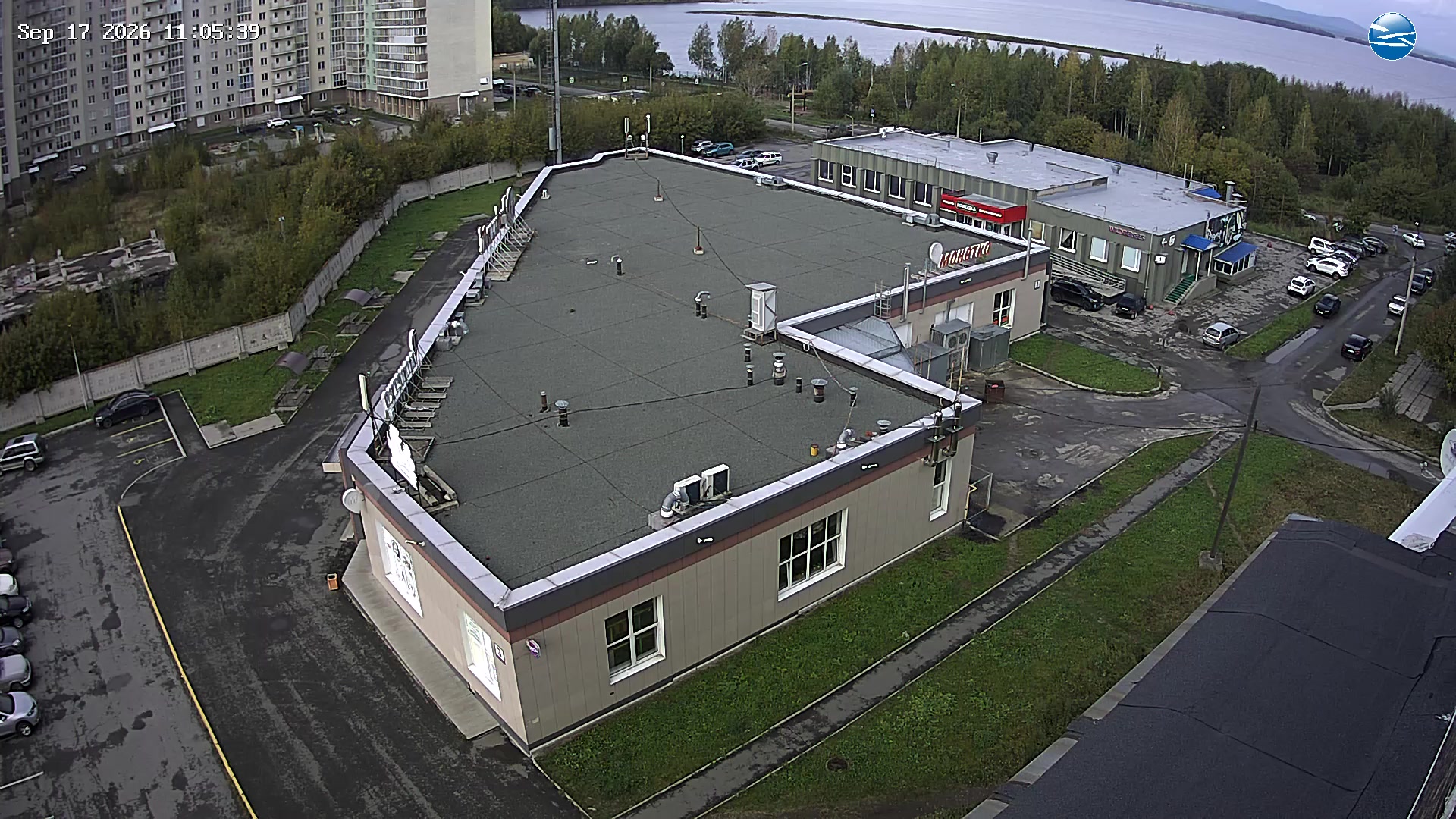
Ozersk — the city that wasn't on the maps
Imagine a map of the Soviet Union from the 1970s. Open it — and you won't find Ozersk. This settlement simply didn't exist for ordinary citizens. Closed administrative-territorial formation, ZATO, ghost city — this corner of Chelyabinsk Oblast has been called many things. Today, Ozersk webcams online allow you to look behind the barbed wire of the nuclear city, where until recently you couldn't enter without a special pass.
The history of Ozersk began in the autumn of 1945, when grand-scale construction unfolded on the shores of Lake Irtyash. Ozersk was founded in 1945 as a settlement during the construction of the Mayak chemical plant (Plant No. 817) to establish the USSR's nuclear industry. The first reactors and residential settlements rose on the picturesque shores of the Ural lake, giving birth to a city with a unique and tragic destiny.
The nuclear shield of the USSR: how Mayak was created
The Mayak chemical plant became the first enterprise in the Soviet Union to produce weapons-grade plutonium. Here, under conditions of strictest secrecy, the country's nuclear shield was forged. The city received a code name — Chelyabinsk-40 (1948-1966), then Chelyabinsk-65 (1966-1994), and residents affectionately called it "Sorokovka." The number in the name referred to the postal code, not the distance from Chelyabinsk — another trick to preserve secrecy.
Construction proceeded at an admirable pace. Already in 1948, the first A-1 reactor reached criticality, and a year later the first batch of plutonium was produced. The city grew along with the plant: residential quarters, schools, hospitals, and Palaces of Culture appeared. But behind the facades of prosperity lurked a danger that was kept silent for a long time.
The Kyshtym disaster: the first nuclear catastrophe
On September 29, 1957, at 16:22, an explosion rocked the Mayak chemical plant. The first radiation accident in the USSR occurred — an explosion of a tank with high-level radioactive waste. A cloud of radioactive aerosols covered an area of over 20,000 square kilometers. Villages, forests, and agricultural lands were contaminated. The accident was named "Kyshtym" after the nearest known city, since Chelyabinsk-40 was classified.
The Kyshtym disaster contaminated an area of over 20,000 square kilometers with radiation, affecting hundreds of settlements. The tragedy was hidden from the world community for a long time. Only decades later did the details of the catastrophe become known, which became the first major nuclear disaster in the USSR — 29 years before Chernobyl. Today, Ozersk webcams show a city that survived a nuclear storm and managed to stand firm.
Lake Irtyash: ancient settlements and military sailors
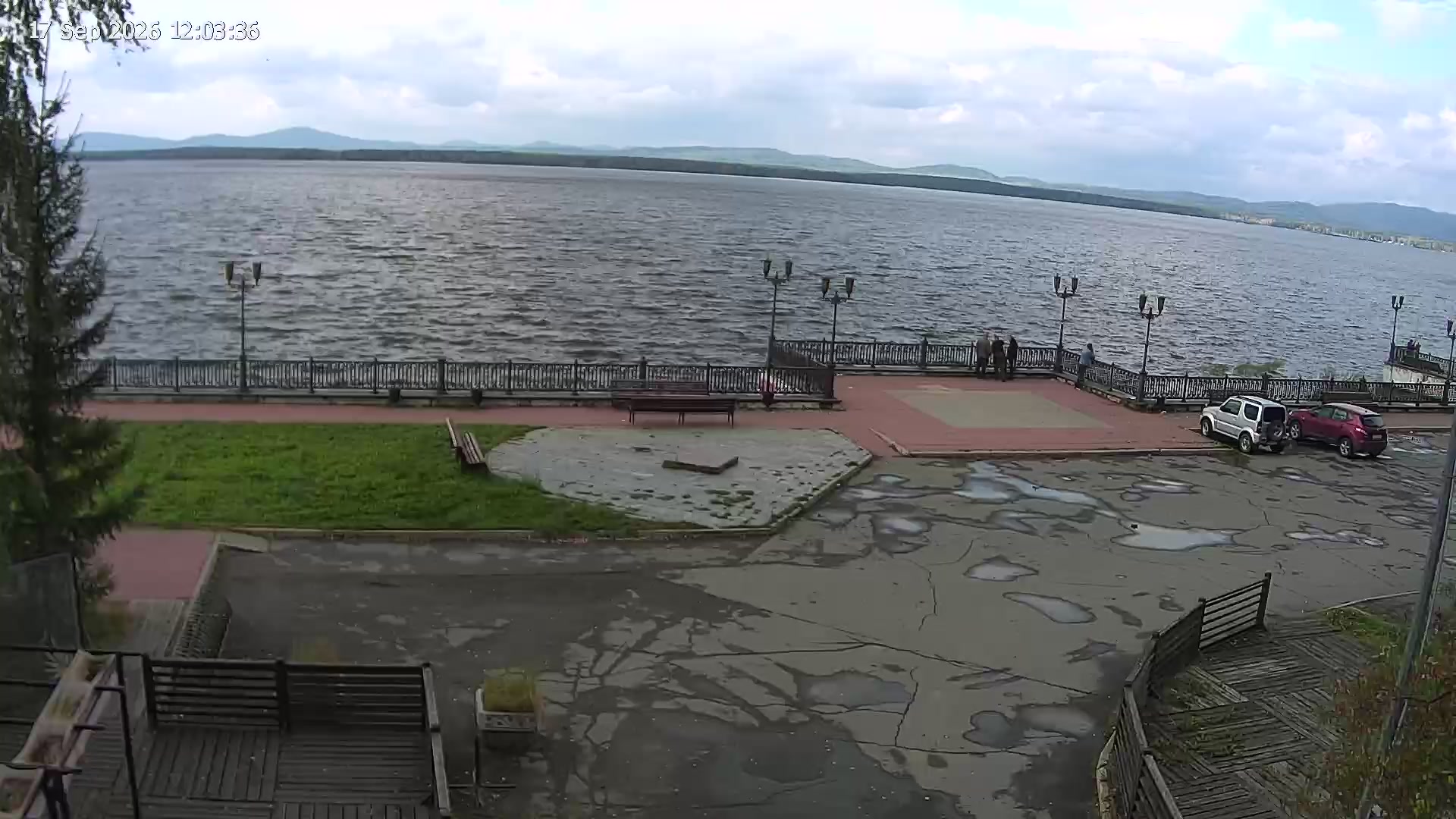
The heart of Ozersk is Lake Irtyash, the second largest in Chelyabinsk Oblast. Lake Irtyash is located between the cities of Kasli and Ozersk, its length is about 6 km, width 8 km, and depth reaches 22 meters. The lake's waters hide numerous islands — Aldyshkin, Demishkin, Moskin, Vostrotin, and others. Part of the water area belongs to the closed city and is still guarded by military sailors.
Lake Irtyash is not only a natural landmark but also a place with a unique history. Even before the founding of Ozersk, these shores attracted people. Today, watching the city through Ozersk webcams online, one can imagine how the landscape has changed over millennia — from ancient campsites to a nuclear metropolis.
Archaeological heritage of the Ozersk shores
Few people know that the surroundings of Ozersk hold traces of ancient civilizations. On the territory of the Ozersk urban district and along the shores of Lake Irtyash, more than 50 archaeological sites are known, from the Neolithic era to the Middle Ages. Irtyash settlements, ancient human camps, ritual sanctuaries — all of this was discovered only after the territory was declassified.
Archaeologists found copper birds, idols, mirrors — artifacts testifying to the complex spiritual life of the ancient inhabitants of these places. After 1945, the territory around Lake Irtyash was classified, and archaeological research was forgotten for a long time. Excavations resumed only in 1992, revealing to the world the amazing history of the Ural shores.
Modern Ozersk: life behind barbed wire
Today, Ozersk remains a closed administrative-territorial formation. The city's population is about 75-76 thousand people. You can get here only with a special pass — relatives of residents, business travelers, or tourists on organized excursions. The city lives a special life, combining the features of a closed military garrison and a modern Ural city.
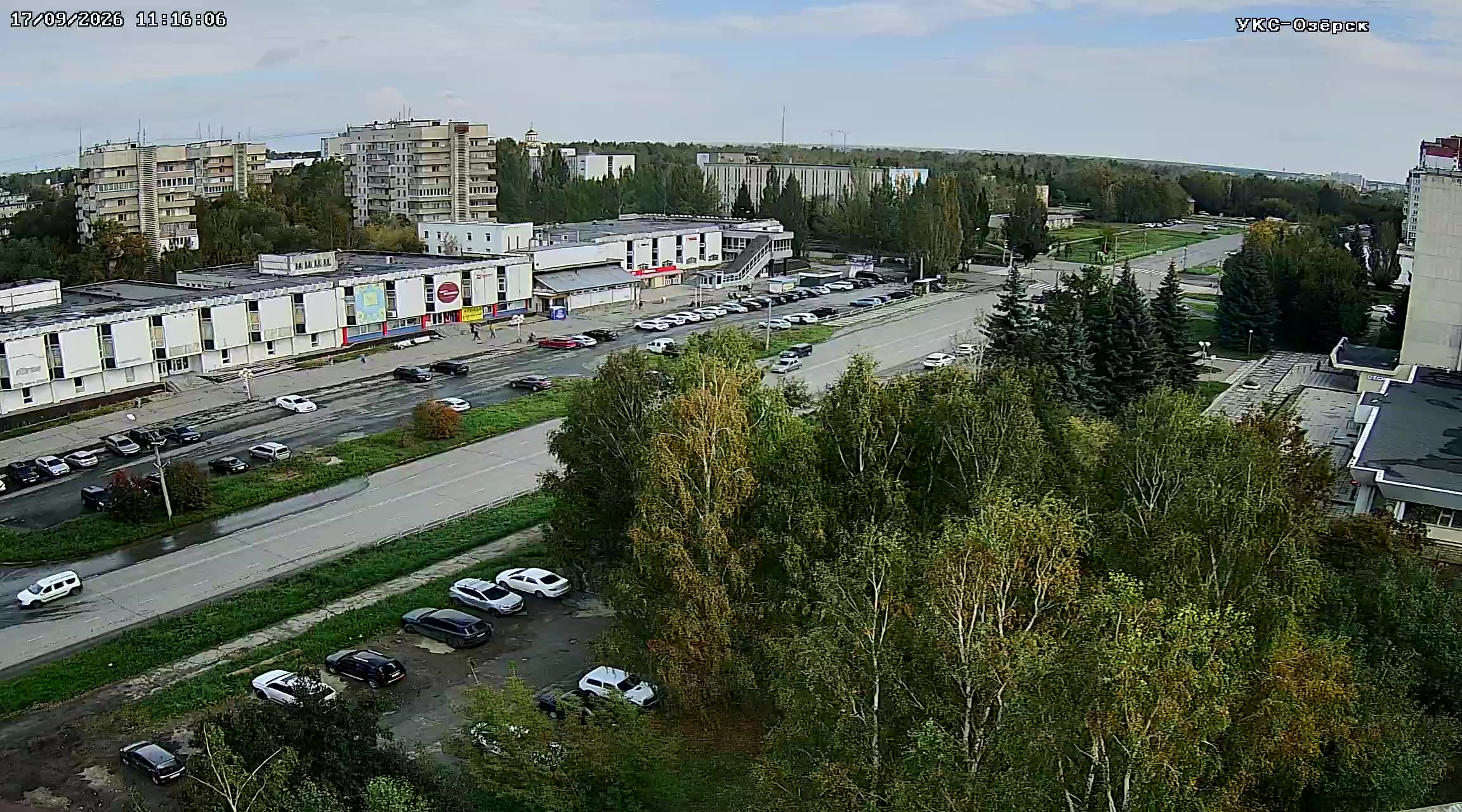
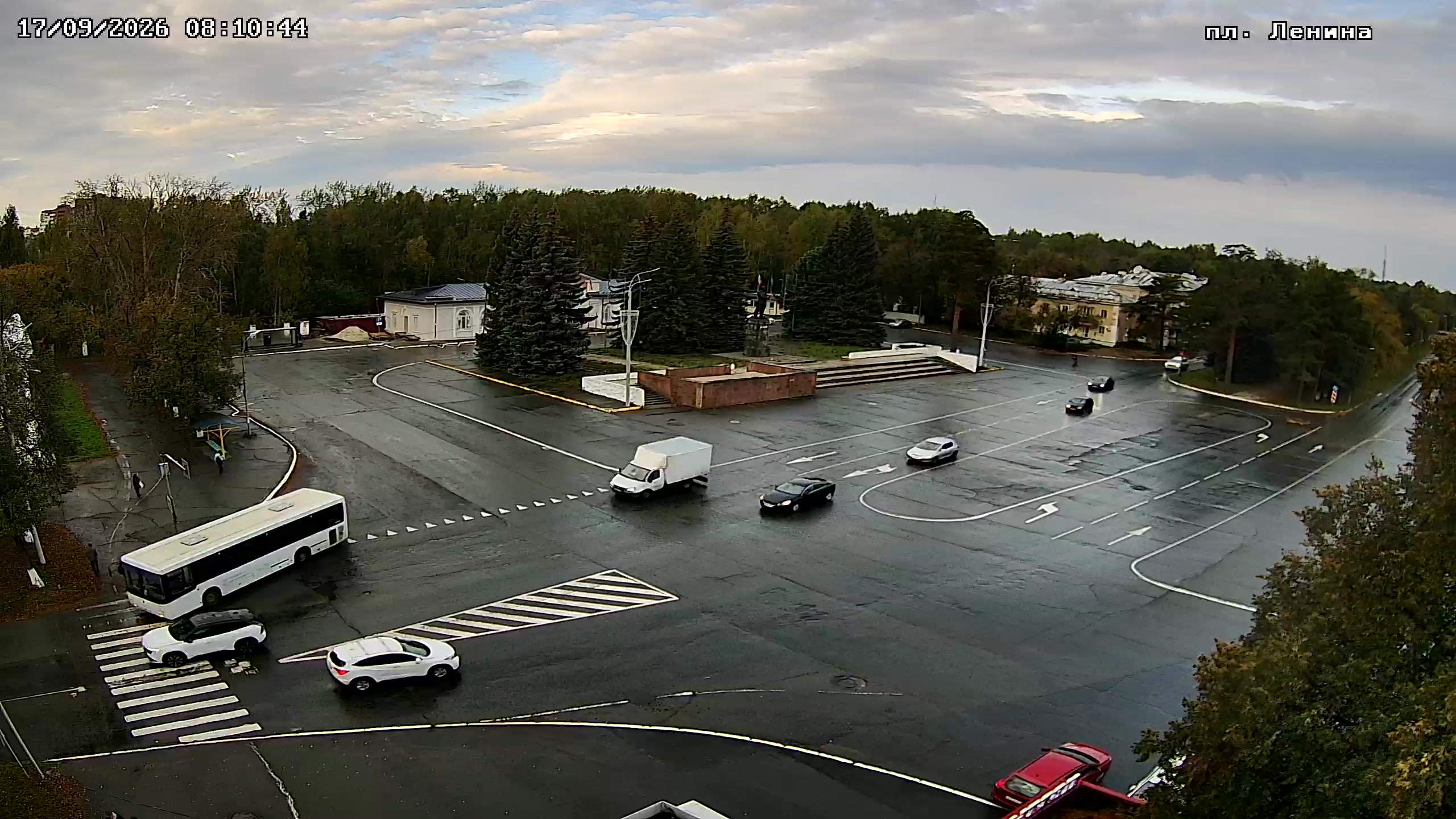
Lenin Avenue, Pobedy Avenue, the square with the Mayak Production Association Palace of Culture — the central streets of Ozersk are paved with well-maintained sidewalks, surrounded by greenery and Soviet-era panel buildings. Here you can feel the atmosphere of closed nuclear cities — an abundance of military personnel, strict control at the entrance, and at the same time a measured, calm life. Ozersk webcams online allow you to see this unique atmosphere without leaving home.
What the cameras show
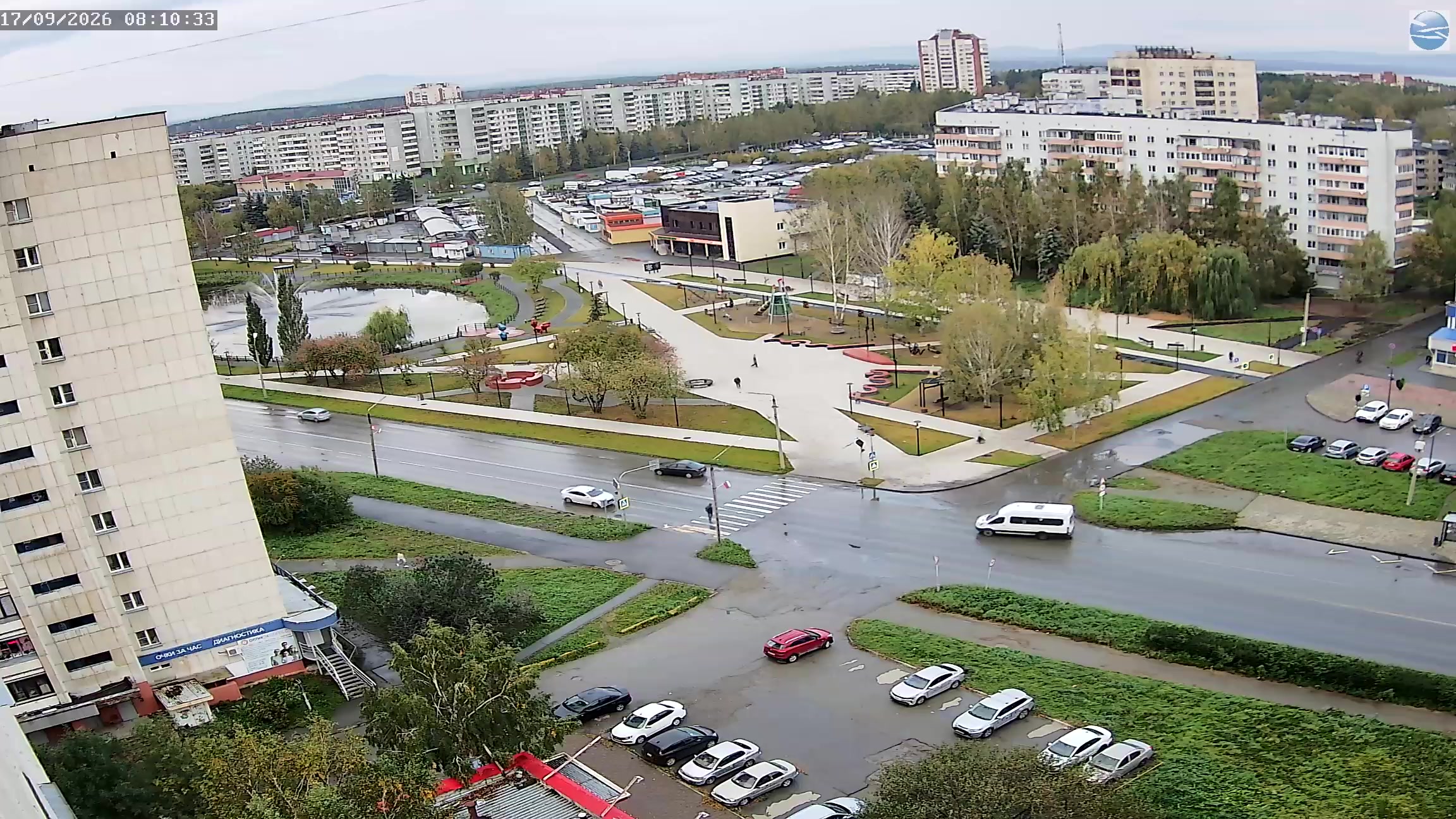
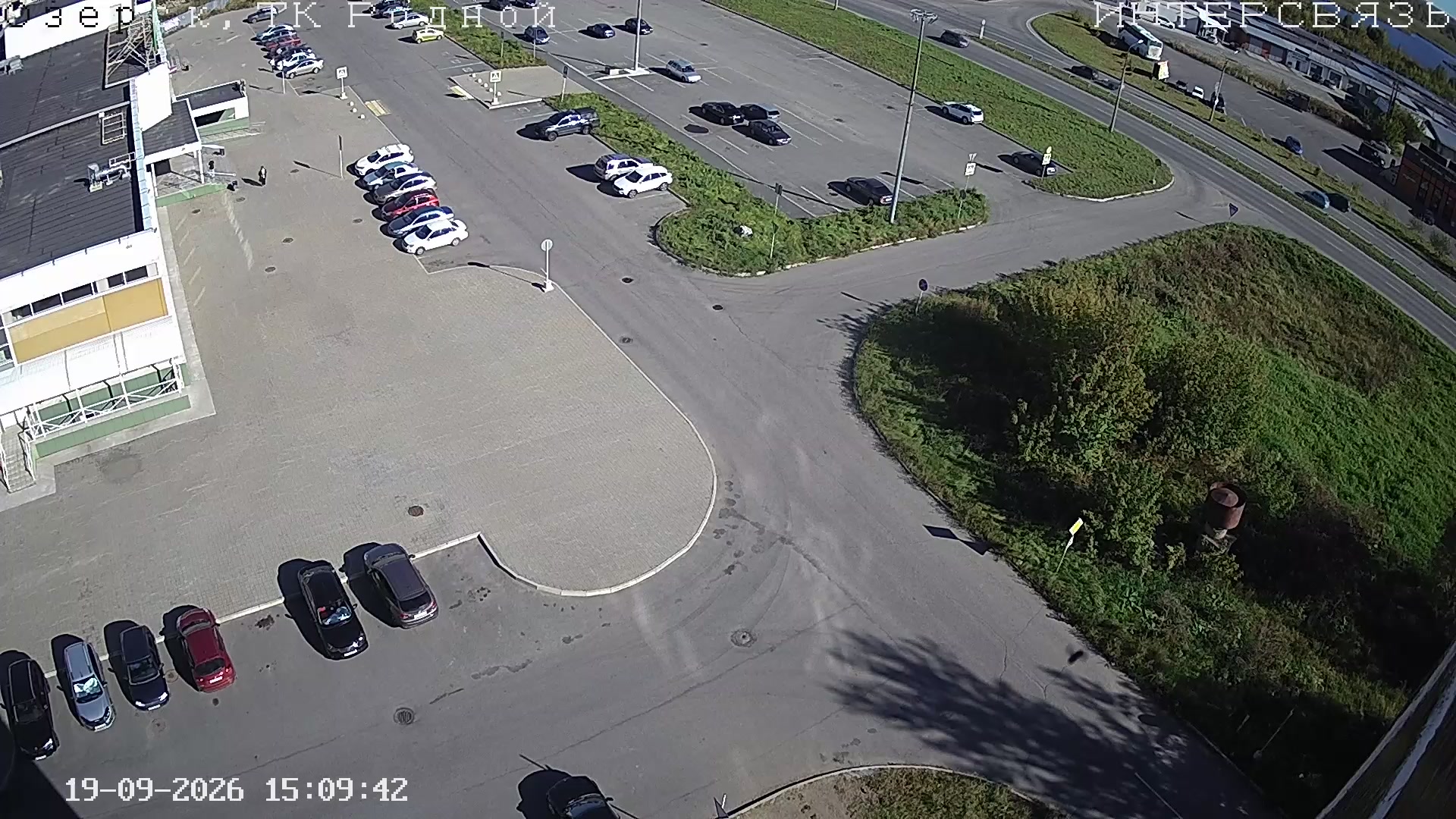
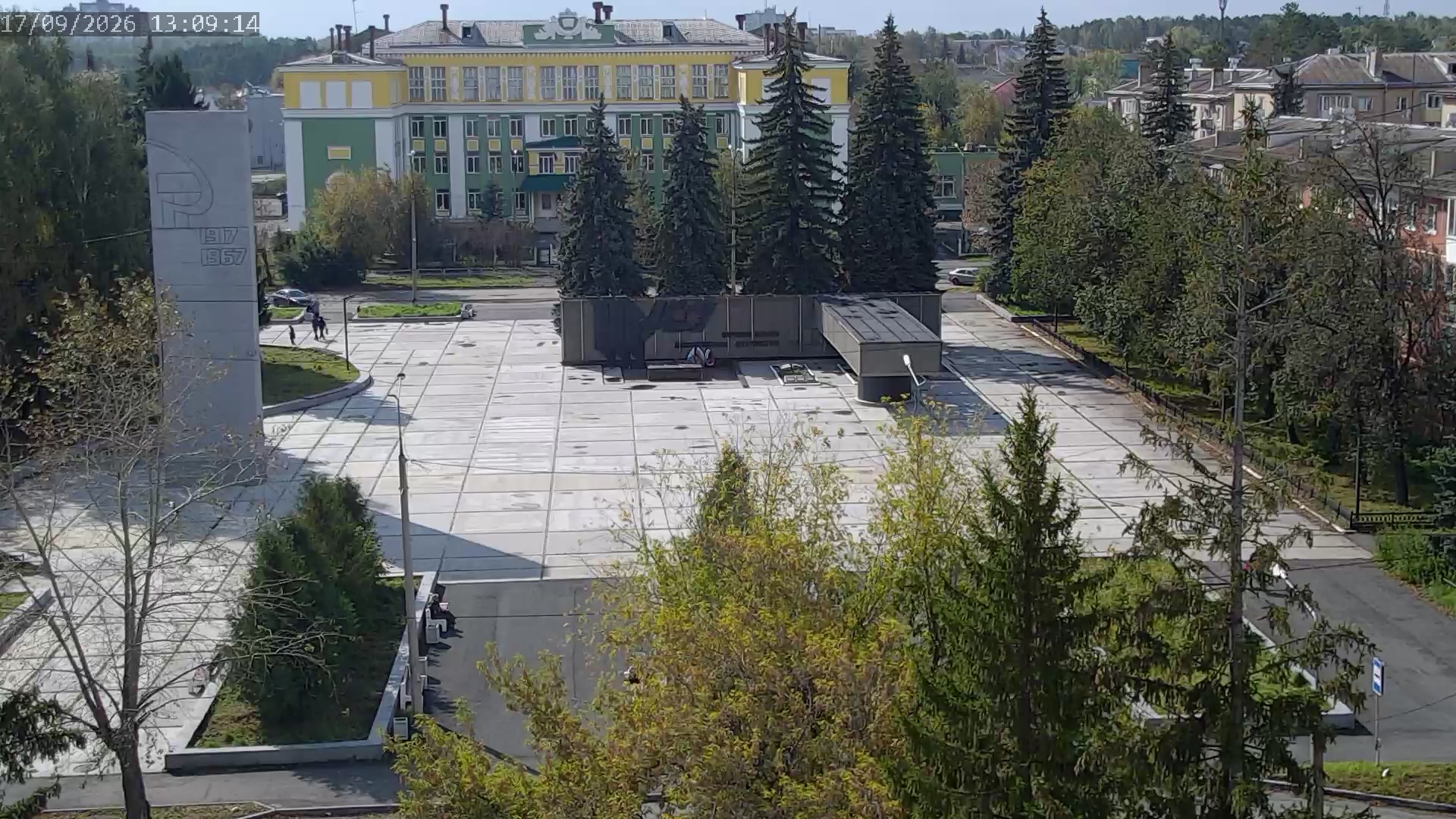
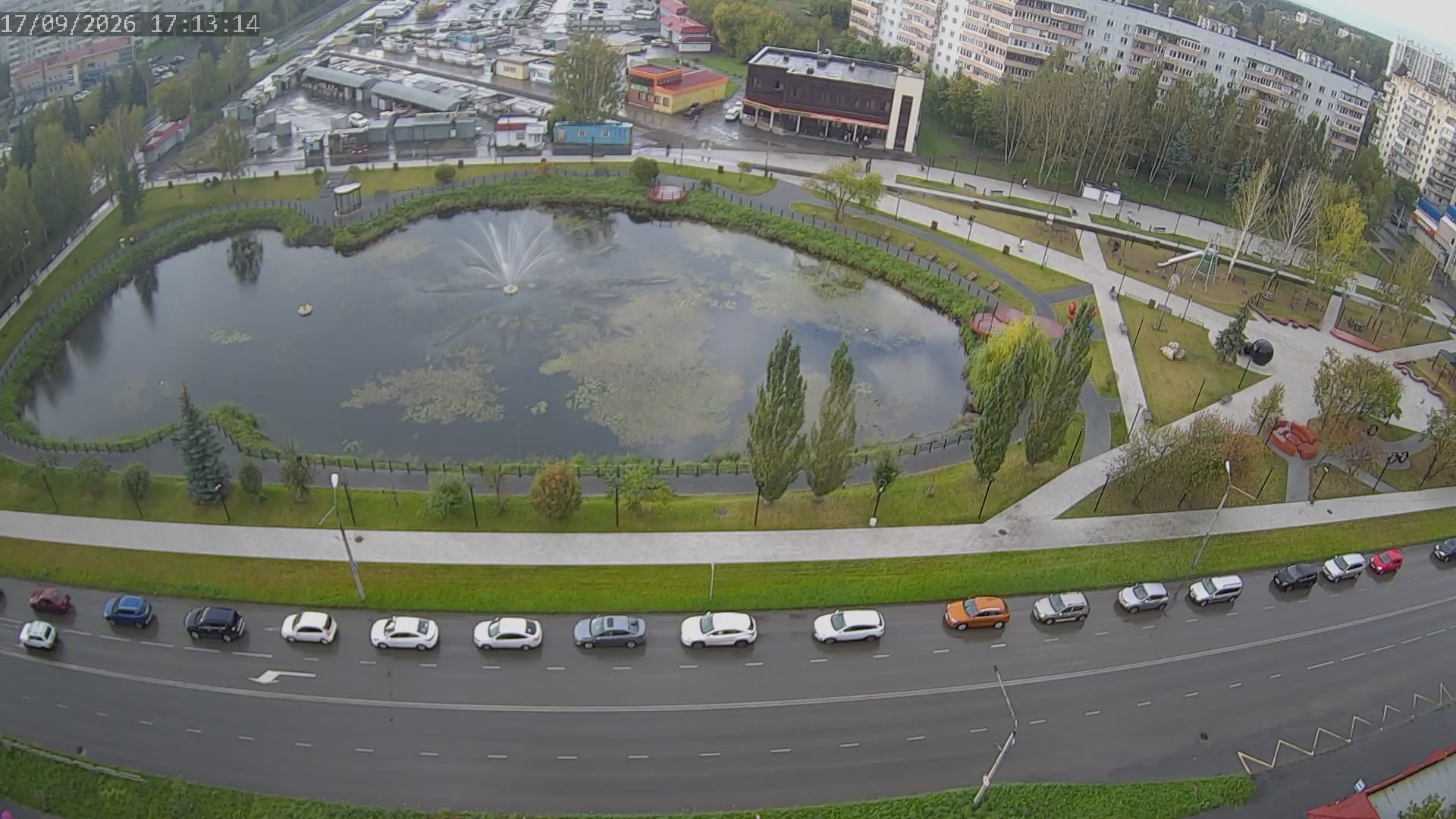
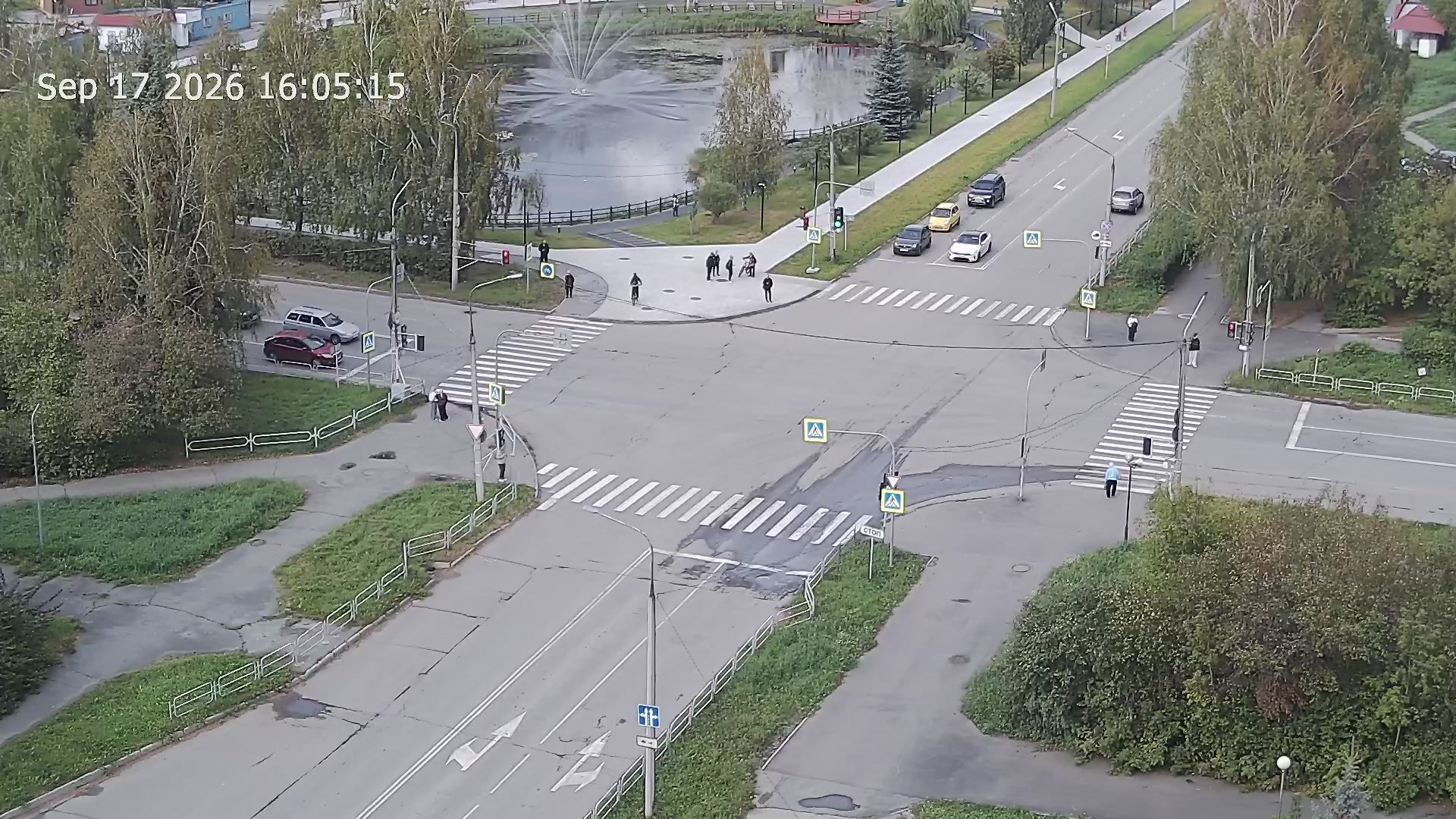
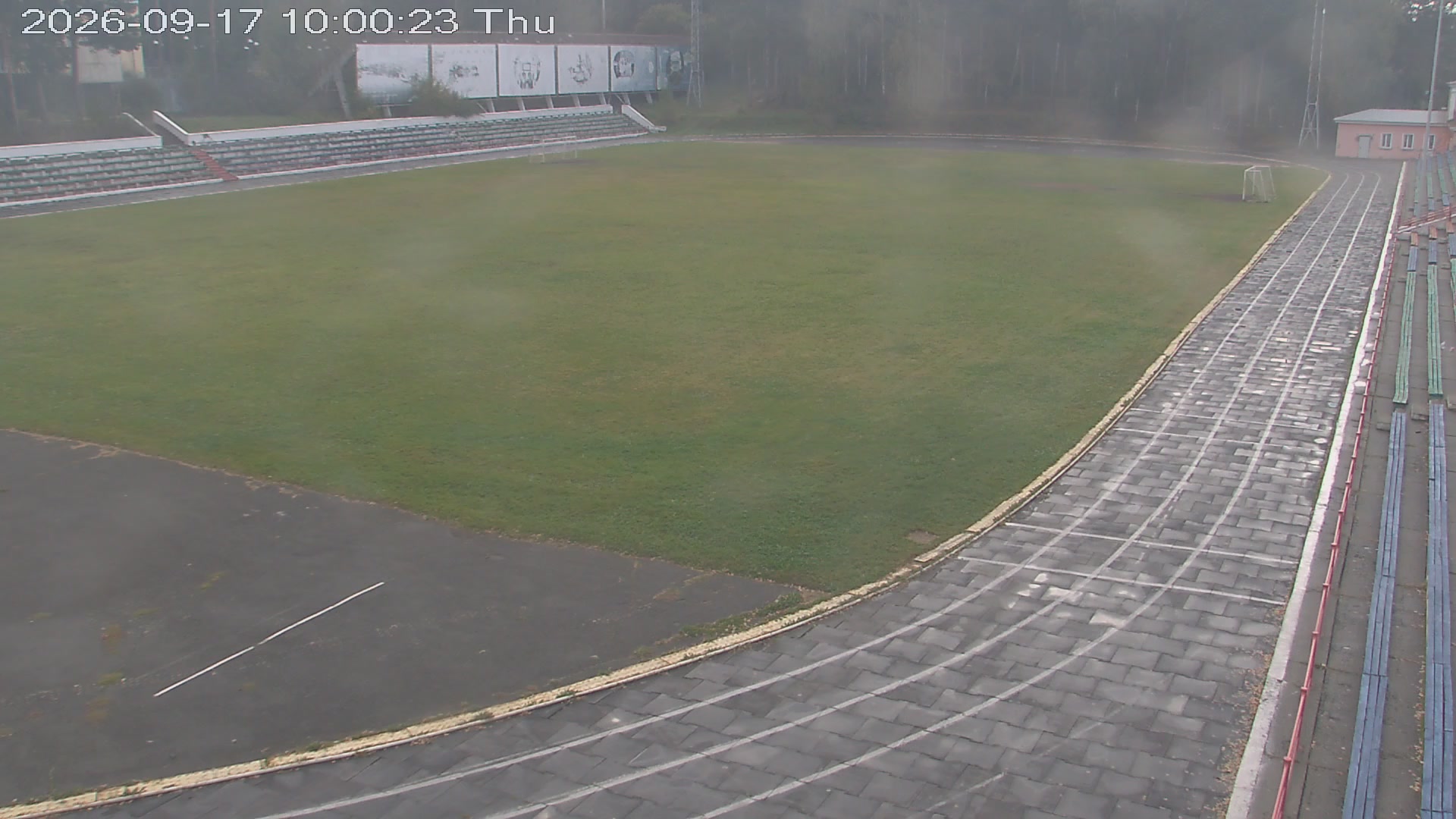
This page features Ozersk webcams broadcasting the city in real time. You can watch the central streets, squares, and the embankment of Lake Irtyash. The cameras show Lenin Avenue, Pobedy Avenue, the square in front of the Mayak Palace of Culture, and other iconic locations of the closed nuclear city.
Watching Ozersk online means looking into a city with a unique destiny that was hidden from outside eyes for decades. Real-time webcams allow you to appreciate the scale of the nuclear city, see Lake Irtyash, and feel the atmosphere of a place where the history of the nuclear industry intertwines with ancient archaeological sites. Choose a camera and enjoy the view of one of the most closed cities in Russia.