

🏙️ Webcams Miass online — watch the city in real time
2 cameras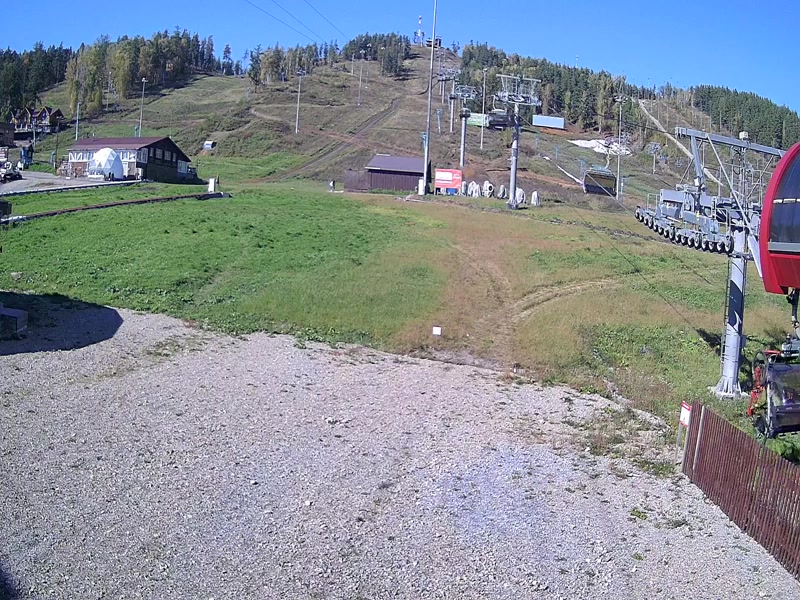
Miass — the pearl of the Southern Urals
Lost among the mountains and lakes of the Southern Urals, Miass preserves the spirit of merchant glory and gold rush. This city with a population of about 150 thousand people is the fourth largest in the Chelyabinsk region. It stretches in the valley at the foot of the Ilmen Mountains, just 95 kilometers west of Chelyabinsk. Locals and travelers often call these places the Ural Switzerland — so picturesque are the landscapes surrounding the city.
Miass is a city of contrasts. Here, old merchant mansions stand alongside industrial giants, and the quiet streets of the Old Town give way to wide avenues of modern neighborhoods. The Miass River, which gave the city its name, divides it into two parts and creates a unique landscape that is especially impressive from the embankment. The city lives its own life: people rushing to work in the morning, bustling downtown streets in the afternoon, and the quiet of residential areas in the evening.
The Ural character is felt everywhere: in the harsh beauty of nature, in the solidity of architecture, in the straightforwardness and openness of the locals. Miass is not a resort town, it doesn't try to please tourists — it simply is what it is. And that's its true appeal. Those who come here at least once remember the atmosphere of a real Ural city, where history and modernity intertwine at every step.
City history: gold rush and merchant glory
The entire history of Miass is inextricably linked with gold. It was here, in the so-called "golden valley", that the richest placer deposits of the precious metal were discovered in the early 19th century. The city grew up around the Miass gold mine, and by the end of the century it had become one of the largest gold mining centers in the Urals. Over the entire period, more than 250 tons of gold were mined here — a figure impressive even by modern standards.
The gold rush attracted enterprising merchants and industrialists. They built luxurious stone houses, opened shops and banks, and created entire enterprises. The architectural appearance of the historic center of Miass was formed in the late 19th — early 20th century, and many buildings of that era have survived to this day. A walk through the streets of the Old Town is a journey through time, where each house tells a story about its owners.
In Soviet times, the city got a new lease on life: the famous Ural automobile plant was built here, which became the city-forming enterprise. Evacuated from Moscow in the first months of the Great Patriotic War, the plant quickly increased its capacity and began producing trucks for the front. After the war, an entire residential district — Mashgorodok — grew up around the plant, which remains one of the distinctive features of Miass to this day.
Architectural heritage: Stary Gorod and its treasures
The heart of historic Miass is Stary Gorod, an area where the stone houses of wealthy merchants and gold industrialists of the 19th century are concentrated. Narrow cobblestone streets lead to merchant mansions with rich decor, carved window frames, and wrought-iron gates. Here you can find the Kurshin House, Yakovlev Passage, the former Volost Administration building, and other architectural monuments.
Of particular interest is the Holy Trinity Cathedral, towering on a hill and visible from many points in the city. Its silhouette has become one of the calling cards of Miass. Next to the cathedral is a square where city holidays and folk festivals take place. In clear weather, a panorama of the entire Stary Gorod and the Miass River valley opens from the surrounding hills.
The Kurshin House is perhaps the most famous merchant mansion in the city. Built in the late 19th century, it combines features of the Russian style and Baroque. Rich stucco, carved doors, tiled stoves — all this creates an atmosphere of merchant prosperity. Today, the building houses a local history museum where you can learn more about the golden history of Miass and the people who created it.
The Miass River embankment — a place of power for locals
The Miass River embankment, or Kolesov Embankment, is a favorite recreation spot for Miass residents and visitors. It stretches along the riverbank, offering walking alleys, benches with a view of the water, and picturesque bridges. In summer, families with children walk here; in winter, avid fans of fishing and winter walks. The embankment has become a real center of attraction for those who want to spend time outdoors.
From the embankment, you can see the opposite bank, where private houses and dacha plots are spread out. In the evening hours, lanterns light up, and the river reflects the city lights, creating a romantic atmosphere. For those who can't come in person, an online broadcast with live video and sound is available — you can hear the noise of the water and feel the rhythm of city life without leaving home.
Next to the embankment is the square in front of the Administration — another important place in the life of the city. Official events, holiday concerts, and folk festivals take place here. The square is always lively: children run along the paths, elderly people sit on benches, and young people arrange meetings by the fountain. This is a real center of attraction where the fates and routes of townspeople intersect.
Mashgorodok and the industrial giant "Ural"
The northern part of Miass is inextricably linked with Mashgorodok — a residential district built for workers of the famous Ural automobile plant. It's a city within a city with its own infrastructure, parks, schools, and cultural institutions. Mashgorodok was built in the post-war years and became an example of Soviet urban planning — wide avenues, standard five-story buildings, spacious courtyards with green areas.
The Ural plant is one of the largest truck manufacturers in Russia. Its history began during the Great Patriotic War, when the Moscow enterprise was evacuated to the Urals. Since then, the plant has become the city-forming enterprise of Miass, and the life of many townspeople is connected with its fate. The online broadcast from the Mashgorodok area operates around the clock and allows you to observe the life of this unique district at any time of day.
Makeev Avenue and Oktyabrsky Avenue are the main transport arteries connecting Mashgorodok with the center of Miass. They can be used to judge the road situation in the city, the intensity of traffic, and even weather conditions. In winter, these avenues show how difficult it is for road services, and in summer — how the city comes alive with the arrival of warmth.
Nature around: Ilmen Mountains and lakes
Miass is surrounded by amazing nature. To the east of the city rise the Ilmen Mountains — a low but very picturesque range known for its mineral wealth. The Ilmen Nature Reserve, located nearby, attracts geologists and nature lovers from all over the country. Unique minerals have been found here, some of which are found nowhere else in the world. Topaz, aquamarine, sapphirine — these stones were first discovered in the Ilmen Mountains.
Numerous lakes are scattered around Miass — Turgoyak, Karabazy, Argazi, and others. Lake Turgoyak is especially popular among tourists: its clean water and sandy beaches create conditions for a full-fledged rest. In winter, the frozen surface of the lakes turns into skating rinks and ski trails. The city of Miass serves as a convenient base for exploring these natural attractions.
The Ilmen Mountains are not only a geological treasure but also a place for active recreation. Hiking routes of varying difficulty pass through forests and rocky outcrops, opening up views of lakes and valleys. In winter, people ski and snowmobile here; in summer, they pick berries and mushrooms. The nature of the Southern Urals is harsh but generous for those who know how to appreciate it.
What Miass looks like in different seasons
The climate of Miass is moderately continental, with cold winters and warm summers. In winter, the city turns into a snowy fairy tale: house roofs are covered with snow-white caps, and rivers and lakes are bound by ice. Temperatures can drop below minus thirty degrees, but the frosty air and bright sun create a special mood. Streets are cleared of snow, children ride on slides, and fishermen with rods appear on the frozen river.
Spring in Miass comes rapidly: ice drift begins on the rivers, the first buds appear on trees, and the city awakens from its winter sleep. The snow melts quickly, exposing the ground, and soon parks and squares are covered with greenery. Summer pleases with warm days and long daylight hours — ideal time for walks along the embankment and trips to nature. Autumn paints the city in golden and crimson tones, and the foliage in the parks creates picturesque alleys.
Street cameras allow you to observe the change of seasons in real time. You can see how the city changes from season to season: from snowy streets in winter to green boulevards in summer. This is especially valuable for those who are planning a trip and want to understand what to expect from the weather and road conditions in a specific period.
What the cameras show in the city
Miass webcams broadcast key points of the city in real time. The square in front of the Administration is the central part where the main city events take place. The Miass River embankment (Kolesov Embankment) shows a picturesque walking area with a view of the water. Mashgorodok and the adjacent territory of the Ural plant are available for round-the-clock observation. Makeev Avenue and Oktyabrsky Avenue are important transport arteries that can be used to assess the road situation and weather conditions.
Live broadcasts from the streets of Miass are available for free and without registration. The city interactive map combines several streams, allowing you to switch between different areas. The image quality depends on the specific camera, but most of them transmit a picture in good resolution. This is a convenient way to plan a trip, check the weather, or simply enjoy the view of the city without leaving home.
When choosing a camera to watch, focus on your goals: want to see the center and the embankment — choose the corresponding streams; interested in the road situation — switch to the avenues. Each camera gives its own perspective on the life of Miass, and together they create a complete picture of a city that lives and breathes at any time of day.