

🏙️ Webcams Luzhba online — watch the settlement in real time
1 cameras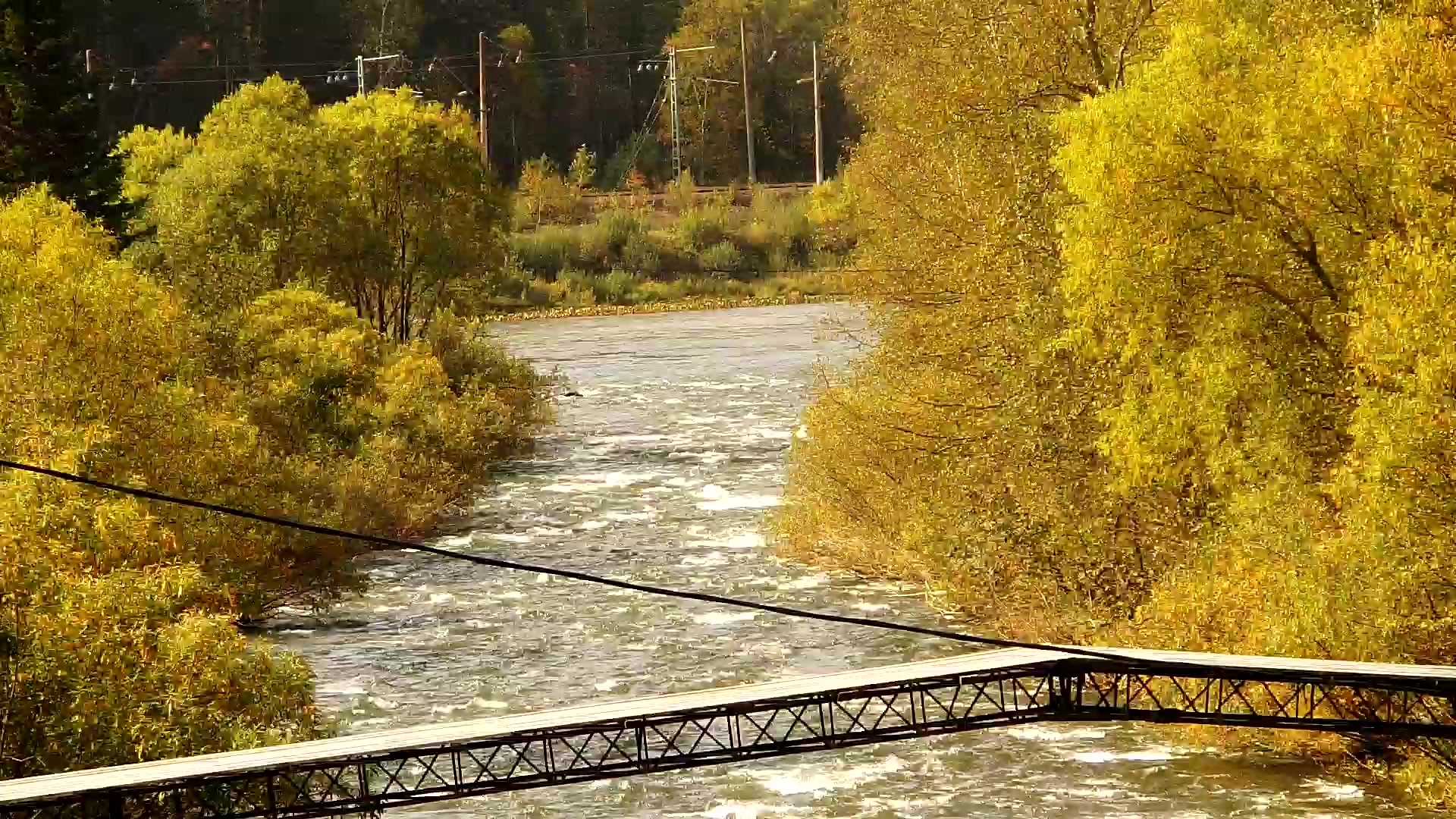
Luzhba Settlement: Location and Way of Life
Lost in the Siberian taiga, the Luzhba railway station is a place most people only learn about from the stories of freeriders and skiers. This tiny settlement in the Mezhdurechensky urban district of Kemerovo Oblast stands on the banks of the full-flowing Tom River, at the confluence of its tributaries Luzhba and Amzas. On one side — endless taiga, on the other — the majestic ridges of the Kuznetsk Alatau. It is here, far from major cities, that one of the wildest and most beautiful tourist regions of Siberia begins.
The settlement is small: there are no large enterprises, shopping centers, or noisy highways. But there is something money can't buy — pristine nature, crystal-clear mountain air, and a complete sense of detachment from civilization. Local residents live by the laws of the taiga: measuredly, peacefully, in harmony with the world around them.
Station History: From the All-Union Construction to the Present Day
The history of Luzhba is inseparably linked to the railway. The station was founded in the 1950s during the construction of the Novokuznetsk–Abakan railway line. According to some sources, the official opening took place in 1959; according to others, 1957 is considered the birth year of the settlement, when the All-Union construction was completed. It was then that the first builders arrived, laying tracks through the impassable taiga.
In Soviet times, Luzhba served the Algui deposit of Talc, and life in the settlement was bustling. But after the 1990s, when mining ceased, the station was forgotten for a time. However, this period of neglect marked the beginning of a new chapter in Luzhba's history — tourism.
Origin of the Name: Devil's River and the Secrets of Hydronyms
The name "Luzhba" has ancient roots and still sparks debate among linguists. According to one version, the hydronym translates from Southern Samoyedic as "devil's river": "loozy" — devil or devilish, "ba" — river. It sounds intriguing, especially when you imagine the first settlers making their way along this river through the wild taiga.
There are other interpretations, but this version best captures the character of these places — harsh, wild, unforgiving of mistakes. The Luzhba River, which gave the settlement its name, remains as wayward and unpredictable today as it was centuries ago.
Podnebesnye Zubya: Gateway to the Mountain Country
The main treasure of Luzhba is its location at the very entrance to Podnebesnye Zubya — a tourist region in the Kuznetsk Alatau on the border of Kemerovo Oblast and Khakassia. This is a real mountain country with jagged peaks, glaciers, alpine meadows, and crystal-clear lakes. Luzhba serves as the starting point for hiking routes of varying difficulty — from day hikes to multi-day expeditions.
Tourists from across Siberia and even central Russia come here to walk the trails once used by Shor hunters and pioneers. Every route reveals something new: waterfalls, rock ridges, panoramic views for tens of kilometers around.
Skitouring and Freeriding: Siberia's Mecca for Extreme Sports
Luzhba station is called a "tourist Mecca" — it is one of the main centers of skitouring and freeriding in Siberia. In winter, skiers and snowboarders from across the region flock here. The reason is simple: the local slopes are one of the snowiest places in Kuzbass. Snow falls early, lasts until spring, and reaches impressive depths.
After the 1990s, when the Algui deposit ceased operation, the tourist community turned its attention back to Luzhba and Podnebesnye Zubya. Active construction of shelters began along the main river valleys. Today there are several bases where you can stay, wait out bad weather, and prepare for the ascent.
Skitouring in Luzhba is not just a sport — it's a way of life. Climbing to the summit with skis on your back, then descending through untouched snow where no human foot has been before. Moments like these are never forgotten.
How to Get to Luzhba: Railway and the Absence of Civilization
You can reach Luzhba by train from Mezhdurechensk. The train journey takes about 1.5–2 hours, and the trip itself is an adventure. The train winds between mountains, crosses rivers, passes through tunnels — the scenery outside the window changes with every kilometer.
Upon arrival at Luzhba station, tourists are greeted by amazing silence. The settlement has virtually no cell service or internet, and electricity is supplied to the shelters only a few hours a day from a generator. This is not a drawback but a feature — here you can truly disconnect from information noise and be alone with yourself and nature.
Nature Around Luzhba: Taiga, Mountains, and Pristine Air
The surroundings of Luzhba are classic Siberian taiga with cedar forests, mosses, lichens, and an abundance of berries in summer. The Kuznetsk Alatau mountains create a unique microclimate: cold and snowy in winter, cool and comfortable in summer. The air is so clean that you breathe differently — deeply, without any exhaust fumes or industrial emissions.
The Tom River and its tributaries are rich in fish, and the mountain streams are so transparent you can see every pebble on the bottom. Bears, marals, sables, squirrels — the animal world here is rich and diverse. Though, to encounter wild animals you need to venture deeper into the taiga away from the settlement.
Luzhba Climate: Harsh Winters and Short Summers
The climate in Luzhba is sharply continental, with long cold winters and short warm summers. In winter, temperatures can drop to minus 30–40 degrees, and the snow cover reaches several meters. That is why the local slopes are so popular with freeriders — snow lies from November to April, and in the mountains — until May.
Summer in Luzhba is short but vibrant. In June–August, nature blooms: alpine meadows are covered with a carpet of flowers, mushrooms and berries appear in the forests, and rivers fill with meltwater. This is the best time for hiking and climbing.
What the Cameras Show
Luzhba webcams allow you to see the settlement in real time without leaving home. The broadcasts show the railway station, surrounding mountain landscapes, and the life of a small Siberian settlement. The live feed from Luzhba is a chance to check the weather before a trip, see the snowy slopes in winter or the green taiga in summer.
Online broadcasts are especially useful for tourists planning a hike to Podnebesnye Zubya or a freeride session. The cameras show how much snow is on the slopes, what the weather is like in the settlement, and whether the paths are snowed in. It's a practical tool for those who value preparation and safety in the mountains.
Watching Luzhba online means experiencing the life of one of the most remote and beautiful corners of Kuzbass. Even if you never come here in person, the webcams give you the chance to see this harsh Siberian beauty with your own eyes.