

🏙️ Alonnisos Island webcams online — watch in real time
1 cameras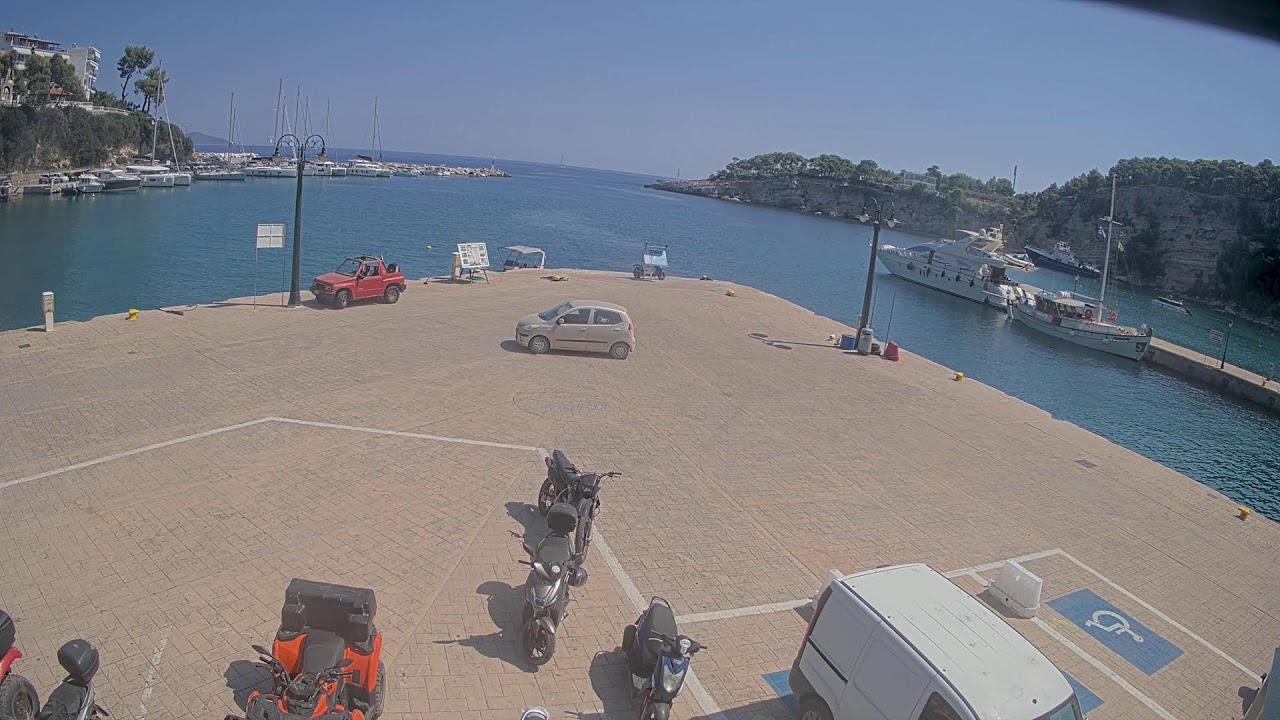
Alonnisos Island — a lost world of the Northern Sporades
Alonnisos is a small Greek island in the Aegean Sea, lost between Skiathos and Skopelos in the Northern Sporades archipelago. It is a place where time slows down and nature has preserved its pristine appearance. Alonnisos Island attracts travelers seeking solitude away from the crowds of tourists in Crete or Rhodes. There is no airport here — you get here by ferry from Volos or Agios Kampos, and it is this inaccessibility that has preserved the authentic character of local life.
The name "Alonnisos" comes from the ancient Greek "als" (sea) and "nisi" (island), which literally means "island in the middle of the sea". In ancient times it was called Ikos, and in 1838 it was renamed due to confusion with the name of a neighboring island. According to legend, in the 16th century BC, the Cretans with the mythical leader Staphylos were connected to the renaming of the island. The oldest human dwelling on Alonnisos dates back to the Middle Paleolithic era — about 3 million years ago.
National Marine Park — the largest in Europe
The main treasure of Alonnisos is the National Marine Park, the first marine reserve in Greece and the largest marine protected area in Europe with an area of 2220 km². It was established in 1992 and covers not only Alonnisos itself but also six small surrounding islands, including Piperi, Peristera, Kyra Panagia and others.
The heart of the park is the island of Piperi, a strictly protected area where tourists are prohibited from entering. It is here that Mediterranean monk seals live and breed on steep cliffs. The waters of Alonnisos are home to about 50 monk seals out of approximately 500 individuals remaining in the world. These animals are among the largest in the world, with a lifespan of up to 35-40 years, and they breed only once a year. The National Marine Park is a natural reserve for hundreds of species of terrestrial and marine plants and animals living in the Mediterranean Sea. Striped dolphins and other marine animals are found in the park's waters.
Chora — a labyrinth on a hill
The capital of Alonnisos, Chora (or Old Alonnisos), is located on a hill in the center of the island. It is a typical Cycladic village with snow-white houses, blue shutters, and narrow labyrinthine streets. Chora was built as a complex labyrinth that confused pirates who attacked the island in the 18th century. Residents of Alonnisos are required by special law to paint their houses white, creating that recognizable image of a Greek island.
In 1965, a devastating earthquake destroyed half of Alonnisos, including the old capital Patitiri, after which the city was rebuilt. Chora has been partially restored, but some destroyed houses still stand in ruins, giving the village a special charm. Taverns and cafes operate on the main square, serving fresh fish and local wine. From the hill, there is a panoramic view of the Aegean Sea and neighboring islands.
Beaches and bays — from Agios Dimitrios to Kokkinakastro
The coastline of Alonnisos is indented with dozens of bays — from sandy to pebbly. The best beach of Alonnisos is considered to be Agios Dimitrios — a pebble bay shaped like a horn with turquoise water. It is located on the southwest coast and surrounded by pine groves.
Kokkinakastro beach is known for its red cliffs and deep blue sea; at depth, far from the shore, the remains of the ancient city of Ikos were excavated. Steni Vala bay is a popular spot for yachting and diving, as well as the secluded pebble beaches of Ai-Petros and Glyfa. On the east coast are Megali Ammos and Mikri Ammos — long sandy beaches with a gentle entry into the water. The north coast is wilder — it's difficult to reach by land, but by boat, truly fairy-tale landscapes open up.
Pirate past and monastic heritage
The history of Alonnisos is inseparably linked with pirates. For centuries, the island was subjected to raids, and residents were forced to build houses with high walls and narrow streets to confuse invaders. Tsoukaliades bay is a place where the traces of monastic cells, pirates, and seals intersect. In the Middle Ages, monks chose hard-to-reach caves for solitude, and pirates used the same caves to hide their loot.
There are 7 monasteries on the island, the most famous of which is the Monastery of St. George on top of the hill. The history of Alonnisos is connected with pirates, and later with the Cretans and the First Maritime Athenian League. In the Middle Ages, the island belonged to the Venetian Republic, which is reflected in the architecture of some buildings.
Nature and wildlife
The island has a hilly terrain with low mountains (max. 493 m), which form steep coasts in the northern part and small plains in the eastern part. On Alonnisos, olive groves harmoniously coexist with strawberry trees, heather with stone oak. Pine forests descend right to the water, creating unique landscapes untypical for other Greek islands.
The island's flora includes more than 300 plant species, including endemics. In May-June, the slopes are covered with a carpet of wildflowers. The fauna is represented by lizards, sea turtles (loggerhead), and many bird species — saker falcons, peregrine falcons, cormorants. In coastal waters, you can encounter octopuses, sea urchins, and various fish.
Patitiri Port — the gateway to the island
Patitiri is the modern capital and main port of Alonnisos, located in the south of the island. This is where ferries from the mainland and neighboring islands arrive. The city is built up with two- to three-story houses with tiled roofs, and taverns and shops stretch along the waterfront. The fish market operates in the morning — you can buy the catch right from the boat.
All the main routes around the island start from Patitiri: bus excursions, walking trails, sea trips to Piperi Island and the sunken city. The port is a lively place, especially in high season when yachts arrive from all over Greece. The waterfront becomes the main artery of nightlife — with bars, live music, and the smell of grilled fish.
Interesting facts about Alonnisos
Alonnisos is located in the eastern part of the Northern Sporades archipelago in the Aegean Sea. The island is recognized as one of the most peaceful places for relaxation in Greece. Local cuisine is famous for dishes made from fresh fish, honey, and homemade wine. There are no large hotels on the island — only family guesthouses and apartments, which preserves an intimate atmosphere.
Tourists come here for diving in the crystal-clear waters of the marine park, hiking along mountain trails, observing seals and dolphins. Alonnisos is an ideal place for those who want to escape the digital noise: internet doesn't work everywhere here, and in the evening residents gather in squares, play backgammon, and discuss the day's news.
What the cameras show
Alonnisos webcams online allow you to see Patitiri port, the waterfront, beaches, and panoramas of the Old Town of Chora. Live broadcasts show life on the island as it is — without staging or decorations. You can watch the arrival of ferries, the movement of yachts in the harbor, sunsets over the Aegean Sea, and the daily life of local residents.
Cameras are installed at key points: on the Patitiri waterfront, at Megali Ammos and Mikri Ammos beaches, and in Chora squares. The online broadcast is available for free and without registration — just choose the point of interest and watch Alonnisos live. This is a convenient way to plan a trip, check the weather, or simply enjoy the beauty of the Greek island without leaving home.