

🏙️ Gyeongju Webcams Online — Watch the Ancient Silla Capital in Real Time
5 cameras

Gyeongju — A Museum Without Walls in Southeast Korea
In the southeast of the Republic of Korea, in Gyeongsangbuk-do Province, lies a city called "a museum without walls" or an "open-air museum." Gyeongju was the capital of the ancient kingdom of Silla, which lasted nearly a thousand years. On a relatively small territory, there are so many historical monuments, burial mounds, and Buddhist shrines that a single day is not enough to explore them. Most of Gyeongju's significant sites are included in the UNESCO World Heritage List, making this city one of the most important cultural centers in East Asia.
Modern Gyeongju is an amazing combination of ancient and modern. A typical Korean province with a measured pace of life, where cozy cafes sit alongside centuries-old burial mounds, and on the streets you can meet both tourists with cameras and locals going about their business. Gyeongju webcams online allow you to see this contrast in real time — from ancient temples to modern neighborhoods.
Royal Tombs and the Tomb of the Heavenly Horse
The heart of historic Gyeongju is Daereungwon Park, where 23 burial mounds rise among manicured lawns and trees. These are burial monuments of the rulers and nobility of the Silla kingdom. The mounds are covered with grass and resemble enormous green hills, but inside each one hide burial chambers with thousands of artifacts.
The only tomb in Gyeongju open to visitors is Cheonmachong, or the "Tomb of the Heavenly Horse". The name comes from a famous painting depicting a winged white horse — a unique example of ancient Silla art. From this tomb, 11,500 artifacts were extracted, including gold crowns, jewelry, and ceramics. The surviving treasures were transferred to the Gyeongju National Museum, and only copies of the finds are located in the tomb itself.
The Gyeongju National Museum houses an impressive collection of artifacts from the burial mounds. Here you can see the famous "Silla crown" with jade pendants, gold belts, and weapons that accompanied rulers into the afterlife. The museum is free and open to everyone who wants to touch the history of the ancient kingdom.
Bulguksa Temple and Seokguram Grotto — UNESCO Masterpieces
On the slopes of Mount Tohamsan, a few kilometers from the center of Gyeongju, are two of Korea's main Buddhist monuments. Bulguksa Temple and Seokguram Grotto were inscribed on the UNESCO World Heritage List in 1995 as the first South Korean monuments. They are recognized as masterpieces of human creative genius — UNESCO criterion i.
Bulguksa and Seokguram were built in the 8th century on the initiative of Prime Minister Kim Daeseong during the Silla dynasty. Bulguksa Monastery includes seven items from the list of National Treasures of Korea: the stone pagodas of Dabotap and Seokgatap, the Cloud Bridge, and other architectural masterpieces. The temple was reconstructed in the 1970s but retained its historical layout and spirit of an ancient Buddhist complex.
Seokguram Grotto is a man-made granite cave at the top of Mount Tohamsan. Inside is a monumental Buddha statue facing the Sea of Japan. It is considered one of the finest examples of Buddhist art in East Asia. The hike to the grotto through the mountain forest takes about 30 minutes and is itself part of the pilgrimage experience.
Cheomseongdae Observatory — Ancient Science of Silla
In the very center of Gyeongju, not far from the royal tombs, rises a mysterious roofless structure. Cheomseongdae is one of the oldest surviving observatories in East Asia and one of the oldest scientific structures on Earth. It dates back to the 7th century — the era of the Unified Silla state.
The observatory was built during the reign of Queen Seondeok — the first female ruler in Korean history. The structure is a bottle-shaped tower 9.4 meters high, made of 365 granite blocks — corresponding to the number of days in a year. Inside the observatory were instruments for observing stars and predicting solar eclipses.
Cheomseongdae is not just a historical monument, but a symbol of the scientific achievements of ancient Korea. Astronomical knowledge in Silla was used to create calendars, predict harvests, and determine auspicious days for important state events. Today, the observatory is illuminated at night and is one of the most photographed objects in Gyeongju.
Anapji Pond and the Wolseong Palace Complex
According to the legends of the "Three Kingdoms," by order of the king, an artificial pond called Anapji was dug in Gyeongju, and flowers and trees were brought from all over the country. Anapji Pond (also known as Wolji) was part of the luxurious Donggung Palace — the residence of Silla rulers.
Between 1975 and 1980, the pond was drained for excavations, during which about 33,000 artifacts were recovered from the bottom, including household items, jewelry, and dice. On January 21, 1963, Anapji Pond was included in the list of historical monuments of South Korea.
Today, Anapji is a landscaped park with restored pavilions, irises, and lotuses. In the evening, the illumination reflects in the water, creating a magical atmosphere. It is a popular place for walks among locals and tourists, especially during cherry blossom season or autumn foliage.
Yangdong Village — Life of the Joseon Nobility
40 kilometers north of Gyeongju is the traditional Korean village of Yangdong, founded in the 15th century. It is a living monument of the Joseon dynasty (1392–1897), where the houses of noble yangban families and common peasants have been preserved, separated by social status.
Yangdong Village is a UNESCO World Heritage site, representing a traditional settlement organically integrated into the mountain landscape. There are more than 160 houses here, including magnificent tile-roofed mansions of the nobility and more modest thatched huts of commoners. The village is still inhabited — descendants of the founders continue to live in historical houses, maintaining a traditional way of life.
In Yangdong, you can see traditional Korean hanok houses with ondol — an underfloor heating system, as well as outbuildings, pavilions, and seowon academies. The village is also known for preserving traditional crafts and rituals that are still practiced here today.
What the Cameras Show in the City
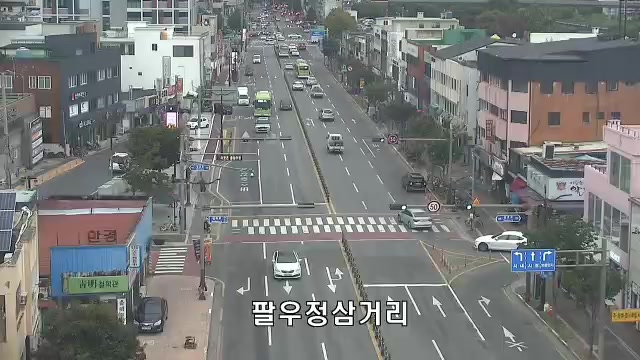
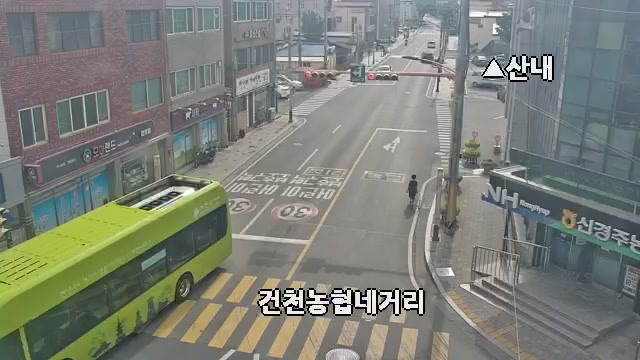
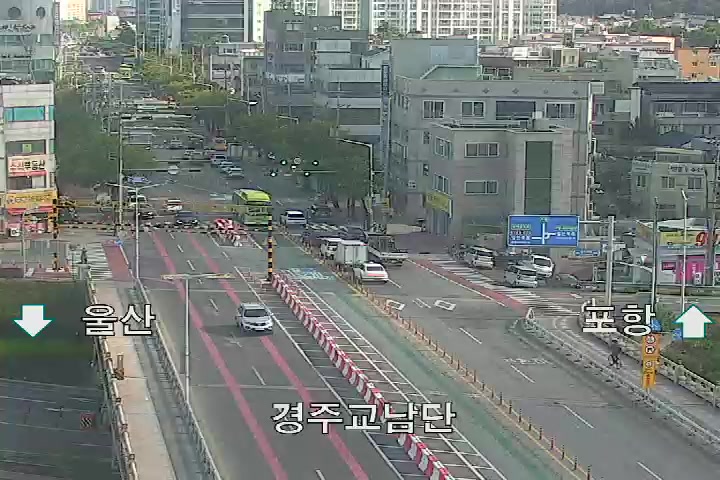
Gyeongju webcams online cover key points of the city: from the historic center with Daereungwon tombs to modern neighborhoods around the train station. Cameras at Bulguksa Temple and Mount Tohamsan show famous Buddhist shrines in real time, and broadcasts from the city center streets allow you to observe city life — from morning walks to evening illuminations.
For those planning a trip to Gyeongju or simply wanting to experience the atmosphere of the ancient Silla capital, webcams are the perfect way to see the city without having to travel. Live streams from the tombs, Anapji Pond, and mountain trails to Seokguram are available around the clock and allow you to appreciate the scale of the historical heritage of this amazing place.
Choose a camera and watch Gyeongju in real time — the ancient city is waiting for you.