

🏳️ Iraq Webcams Online — Watch in Real Time
1 cameras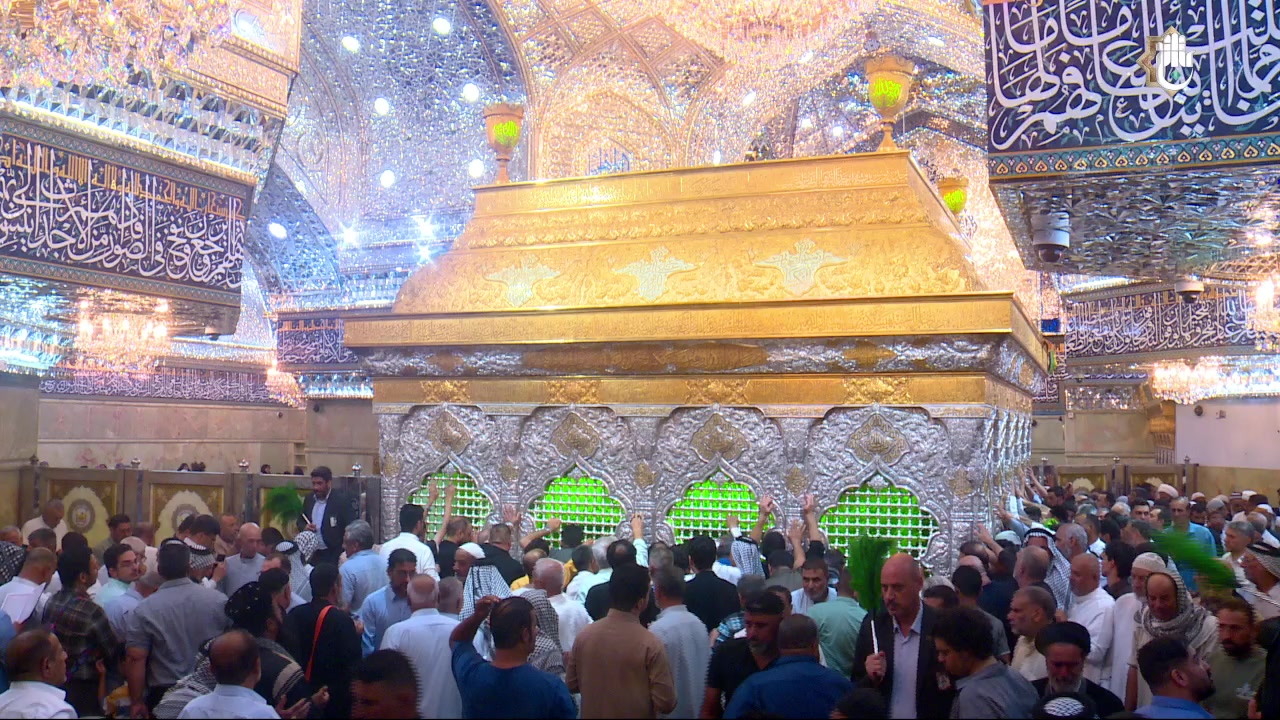
Cultural Heritage of Mesopotamia
Iraq is the birthplace of the most ancient civilizations, and these lands were the cradle of human culture. It was here that the Sumerians invented the first writing system, created the wheel, and formulated the concept of a seven-day week. Here, on a 2.5-meter black basalt pillar were carved the Code of Hammurabi — one of the oldest legal codes in the world. In these places intertwine the stories of Adam's descendants, legends of Paradise, and fundamental achievements of humanity.
The Euphrates River split ancient Babylon into two unequal parts, creating a natural landscape that for centuries sustained the development of civilization. Here, between the banks of the great waterway, various cultures, religions, and traditions coexisted, shaping the face of the entire Middle East.
Cities and Historical Centers
Modern Iraq represents a repository of historical treasures. Baghdad — the country's capital, a city where for centuries trade routes and cultural influences converged. Here is located the National Museum of Iraq with a collection of artifacts telling the centuries-old history of the region. Al-Tahrir Square, the historic Souk Al-Sarai market, and the Abbasid Palace recreate the atmosphere of an eastern city with its noisy bazaars and minarets reaching toward the sky.
Basra — a city with a rich maritime heritage, known as the birthplace of the legendary Sinbad the Sailor. The ancient city stood at the origins of Arab culture and trade links with India and China. The waterfront, where one can now meet locals and travelers, recalls the times when the waters of the Persian Gulf became the gateway to the wider world.
Erbil and Kurdistan
In the north of the country stretch the picturesque territories of Kurdistan. This region attracts with its distinctive culture and unique architecture. Erbil — the largest city in the north and one of the oldest continuously inhabited settlements on the planet. The Erbil Citadel, growing from the fortifications of ancient Mesopotamia, is included in the UNESCO World Heritage List, which emphasizes its historical significance. The wheel of history turns faster here — modern pedestrian routes, a bustling bazaar, and mountain landscapes make this region interesting for guests from all over the world.
The cultural code of Kurdistan differs from Iraqi traditions: here they prefer more meat, herbs, and yogurt in dishes, and hospitality is expressed in an invitation to a family dinner, where guests from different countries gather at one table. Lalish — the largest sacred site of the Yazidi religion, located in these mountainous areas — also attracts pilgrims and tourists with its interesting rituals and temple architecture.
Architectural Symbols
The Iraqi landscape is adorned with unique architectural monuments from different eras. Babylon, whose ruins are located near the modern city of Hillah at a distance of about 100 km from Baghdad, has preserved the ziggurat and the palace of Nebuchadnezzar. The restored Ishtar Gate, one of the eight entrances to the ancient city, becomes a symbol of ancient grandeur. Nebuchadnezzar II, who ruled in the 6th century BCE, is credited with building the famous Hanging Gardens of Semiramis and the Tower of Babel (the ziggurat of Etemenanki). The original Ishtar Gate is now kept in the Berlin Museum, but ancient Babylon continues to impress contemporaries.
An important event in the region's history was the destruction of Babylon in 689 BCE under Crown Prince Sennacherib, however the Neo-Babylonian state was restored by his successors. Another important site is the Lalish Temple in the Kurdish region, as well as the cities of Hatra and Ur — the earliest centers of Arabic civilization, where visitors can see great ziggurats and ruins of ancient temples. The Marsh Arabs, inhabitants of the marshland areas, continue the traditions of a nomadic way of life on boats in the river floodplains, offering a unique tourist experience.
Traditions and Modernity
Iraqi culture lives in the traditions of hospitality, where every guest is received as a valuable person. Regional differences are manifested not only in cuisine but also in social norms — Kurdish cuisine, for example, often uses more meat and herbs than Arab Iraqi cuisine. The Shia majority is connected with the name of Caliph Ali, and religious festivals, pilgrimages to shrines in Karbala, Najaf, and especially in Erbil, play an important role in the lives of local residents.
What the Cameras Show in the Country
Webcams of Iraq allow you to observe in real time the cities, historical sites, and nature of this unique region. Baghdad, Basra, Erbil, and other settlements are available for online viewing through live broadcasts, stream cameras, and street reviews. You can also view the historical monuments and canyons of Kurdistan. Webcams of Iraq in real time reveal border areas, transport hubs, and other important facilities of the country.