

🏙️ Webcams Smolensk Online — Watch the City in Real Time
6 cameras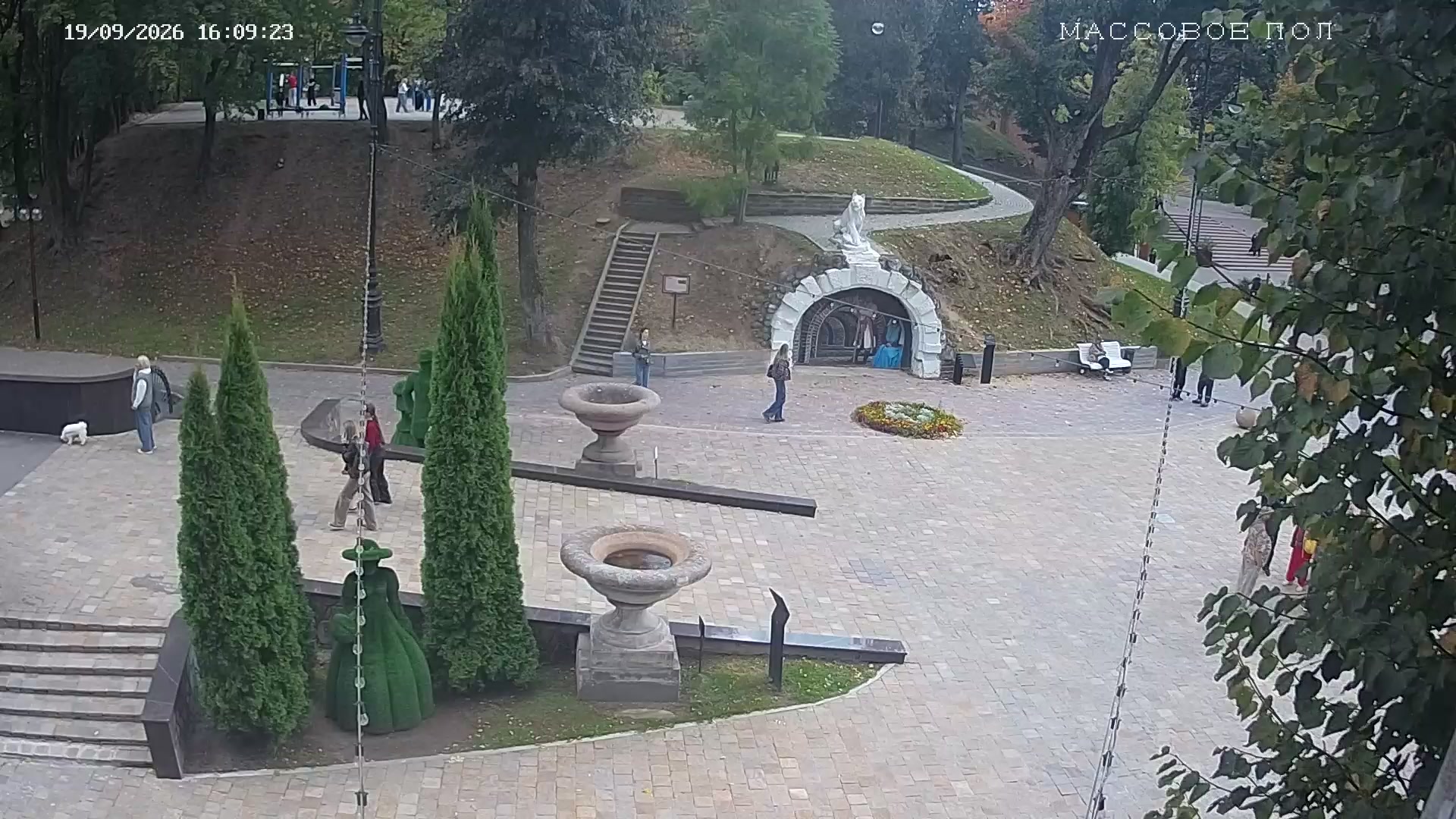
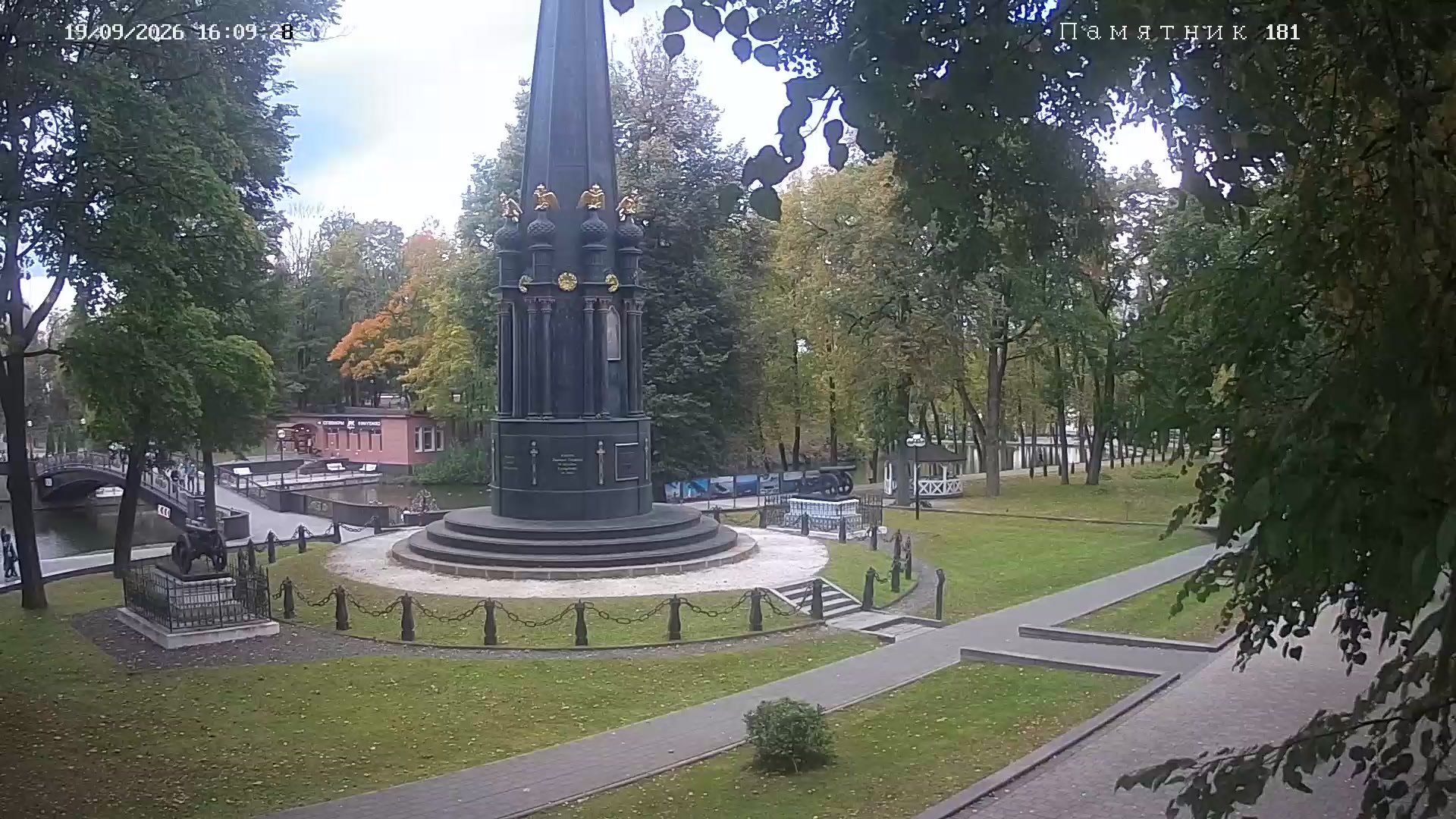
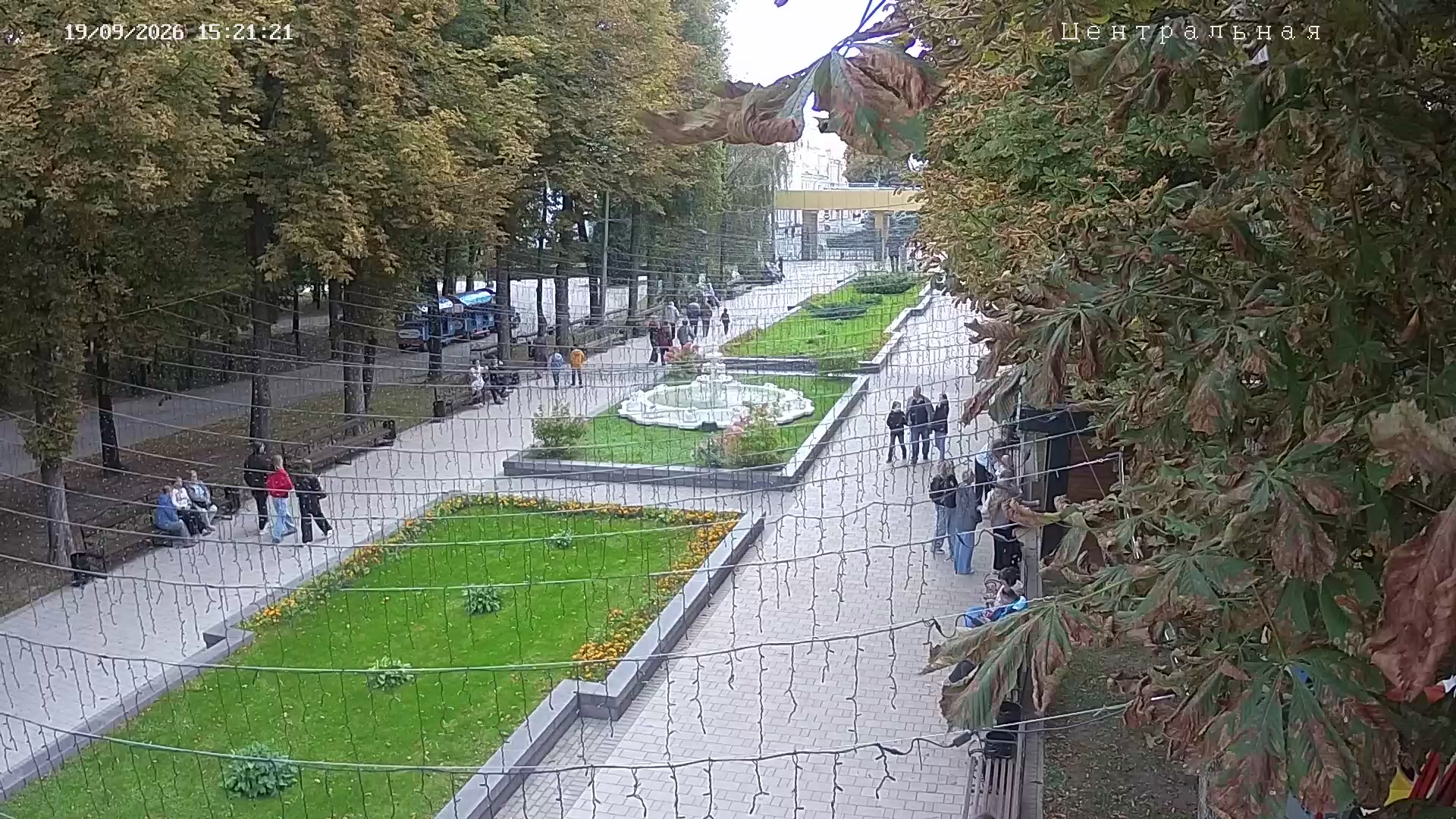
Smolensk — A City on the Hills by the Dnieper
Smolensk stands on seven hills — this feature of the relief has shaped both the city's layout and its destiny. The Dnieper divides the city into two parts, and the elevation changes create unexpected panoramas at every turn. The historic center rises above the river, and it is here that the main attractions are concentrated, which can be seen through Smolensk webcams online.
The city is among the oldest cities in Russia — the first mentions date back to 863. Over the centuries, Smolensk has been under the rule of different states, but each time it returned to Russia. Today it is a major industrial and cultural center with a population of about 320,000 people. The city is rich in architectural monuments, museums, and parks, and its historic center is included in the preliminary list of UNESCO World Heritage Sites.
The climate in Smolensk is moderately continental — winters are mild with thaws, summers are warm. Thanks to the hilly terrain, the weather in different parts of the city can vary slightly: on the hilltops the wind is stronger, while in the lowlands it is warmer and calmer. Webcams in the center of Smolensk allow you to see how the lighting changes throughout the day and how the city looks at different times of the day.
Dormition Cathedral: The Heart of the City on the Hill
The Dormition Cathedral is the main dominant feature of Smolensk, visible from almost any point in the center. The temple rises on Cathedral Hill, and its golden domes serve as a landmark for travelers. Smolensk is located on nearly two dozen mountains and hills, but it is Uspensky Hill that became the spiritual center of the city.
The history of the cathedral goes back to the 12th century — the cathedral was built in 1101 by Vladimir Monomakh. Over the past centuries, the temple has been destroyed and restored multiple times, but each time it regained its former greatness. During the French occupation, Napoleon personally ordered the Dormition Cathedral to be guarded, and the temple also survived the German occupation of 1941.
The cathedral acquired its current appearance in the 18th century when it was rebuilt in the Baroque style. The five-domed temple with a tall bell tower became the symbol of Smolensk. Inside the cathedral, fragments of paintings and the iconostasis have been preserved, and from the platform in front of the temple there is a panorama of the old city and the Dnieper.
Fortress Wall: Russia's Shield Since the 16th Century
The Smolensk Fortress Wall is one of the most impressive monuments of defensive architecture in the country. This is the largest surviving brick fortification in Russia. The wall stretched for several kilometers, although a significant portion was destroyed during wars.
The fortress was not inferior to European strongholds in defensive capabilities and served as a shield protecting Moscow from attacks from the West. Today, about half of the original wall with several towers has survived. Surveillance cameras allow you to examine fragments of the wall in detail — embrasures, large brickwork, traces of restoration.
The wall is shrouded in legends about underground passages, and in Vladimir Medinsky's novel "The Wall," documented cases of underground battles are described. Local residents talk about secret passages that supposedly connect the towers to each other. Archaeological work periodically discovers new underground spaces, but most of the dungeons remain unexplored.
A walk along the wall is a journey through the centuries. Each section has its own history: somewhere you can see traces of cannonballs, somewhere — neat restoration. The towers of the wall have telling names — Gromovaya, Mokhovaya, Okolnaya — and each is associated with specific events from the city's past.
Lenin Street: Smolensk's Broadway
Lenin Street is the main pedestrian artery of the city, called "Smolensk's Broadway". Shops, cafes, and historic buildings are concentrated here — this is where the city lives its everyday life.
Before 1924, the street had a different name — the church building gave it its name in the second half of the 19th century. In 1925 and 1927, Vladimir Mayakovsky visited Smolensk, and a street adjacent to Lenin Street is named in his honor. Today you can see 19th-century merchant mansions, the administration building, and the famous "House with a Clock."
The street stretches from Cathedral Hill to the city center, and its architecture reflects different eras. Cameras on Lenin Street show the rhythm of city life — pedestrians, street musicians, tourists examining shop windows. This is where city holidays and public festivities take place.
Railway Station: Island Architecture
Smolensk-Central is the second largest railway station in Russia. Its island location — between the arrival and departure tracks — was formed back in the 19th century as a result of the development of the transport hub. Passengers enter the building through underground passages, creating an unusual atmosphere.
Originally, the Belorussky Station in Moscow was called Smolensky, and in Smolensk itself there were two railway stations connected by an arch with a clock. In 1868, the first railway passed through Smolensk — the Orlovsko-Vitebskaya, and two years later — the Moskovsko-Smolenskaya (later Moskovsko-Brestskaya). Online broadcast from the station shows the movement of trains and the life of the station square.
The station building is an architectural monument from the early 20th century. Its facade is decorated with stucco, and inside, high vaults and cast-iron grilles have been preserved. The station connects Smolensk with Moscow, Minsk, St. Petersburg, and other cities, remaining an important transport hub in western Russia.
Gagarin Park and Victory Square
Gagarin Park is one of the central parks of the city, where a fragment of the fortress wall with the Mokhovaya Tower is visible. This is a place for city residents to relax and a popular spot for walks. Nearby is Victory Square with a memorial complex dedicated to the liberator warriors.
Mokhovaya Tower is a quadrangular blind tower of the Smolensk fortress wall, 16 meters high with battlements. It is named after the waving of the sentries, who gave visual signals to neighboring sections of the wall. Next to the Mokhovaya Tower there used to be the Faceted Tower, which was blown up by Polish-Lithuanian troops and a bastion was built instead. Museum exhibitions are open in the Mokhovaya and Gromovaya towers, including the exhibition "The Fearsome 17th Century."
Gagarin Park is a green oasis in the center of the city. Century-old trees grow here, flower beds are laid out, and benches are installed for relaxation. From the park alleys, there is a view of the fortress wall and towers, creating a sense of touching history. Victory Square is the venue for ceremonial events and memorial ceremonies.
What the Cameras Show
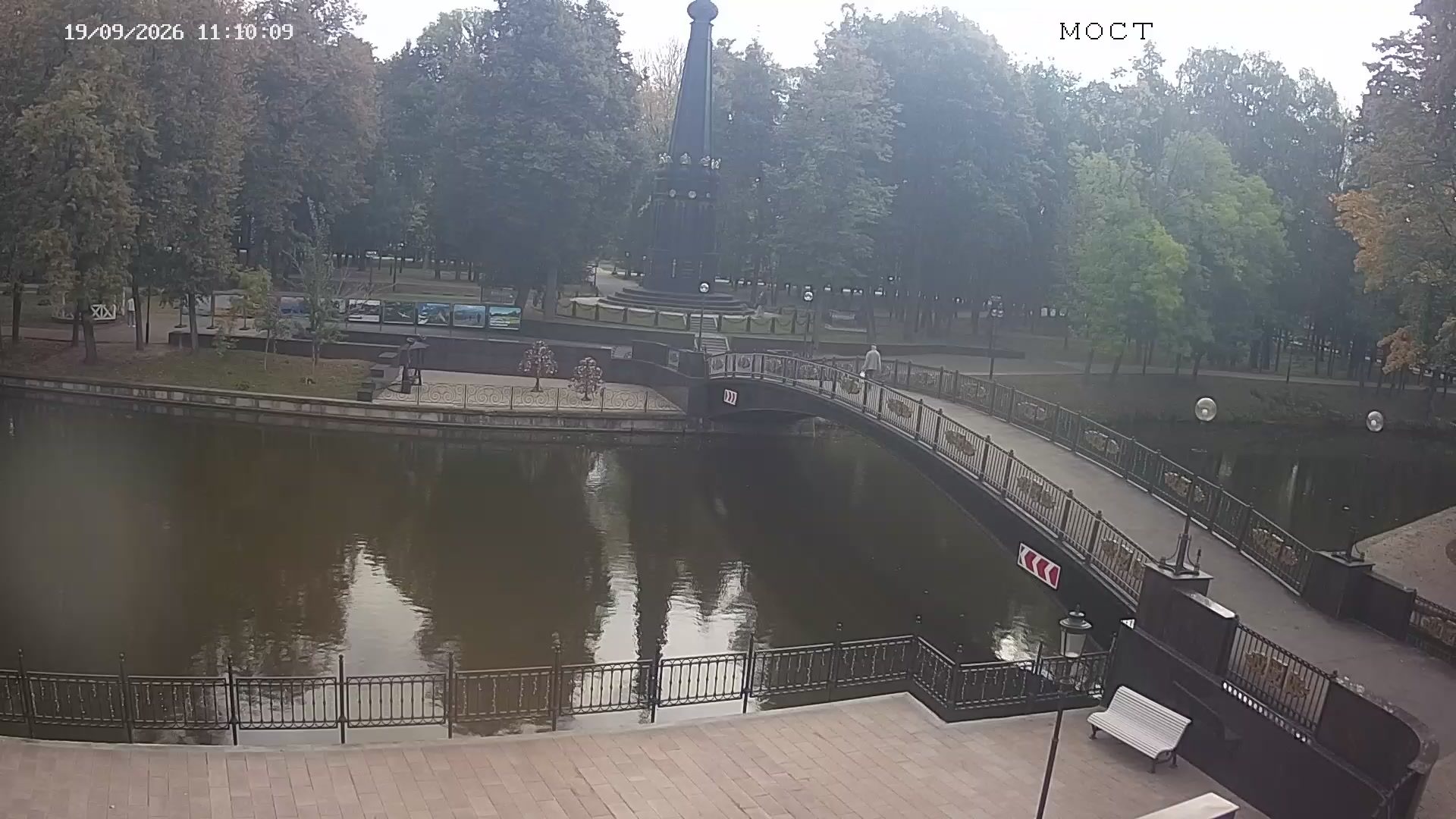
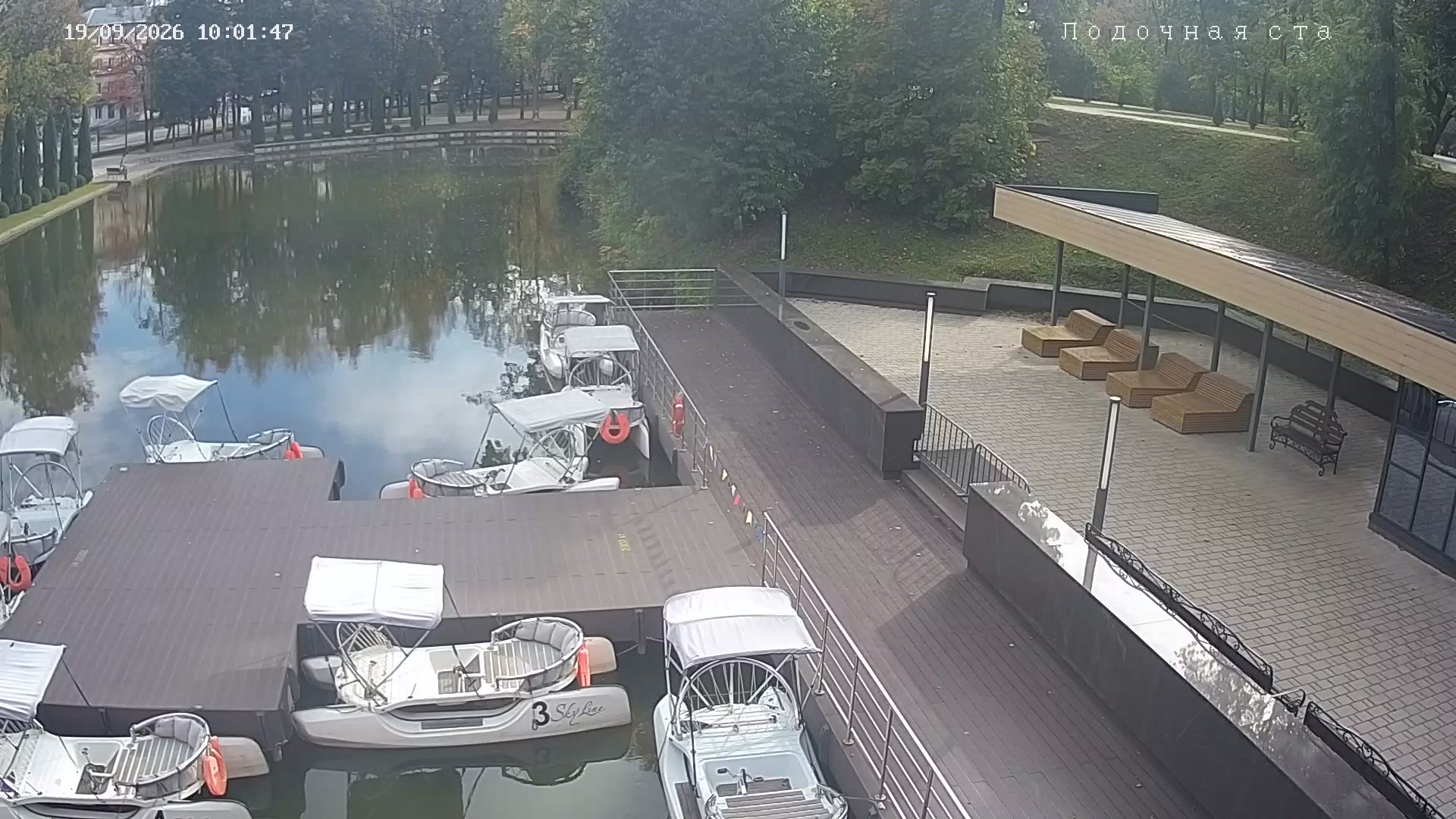
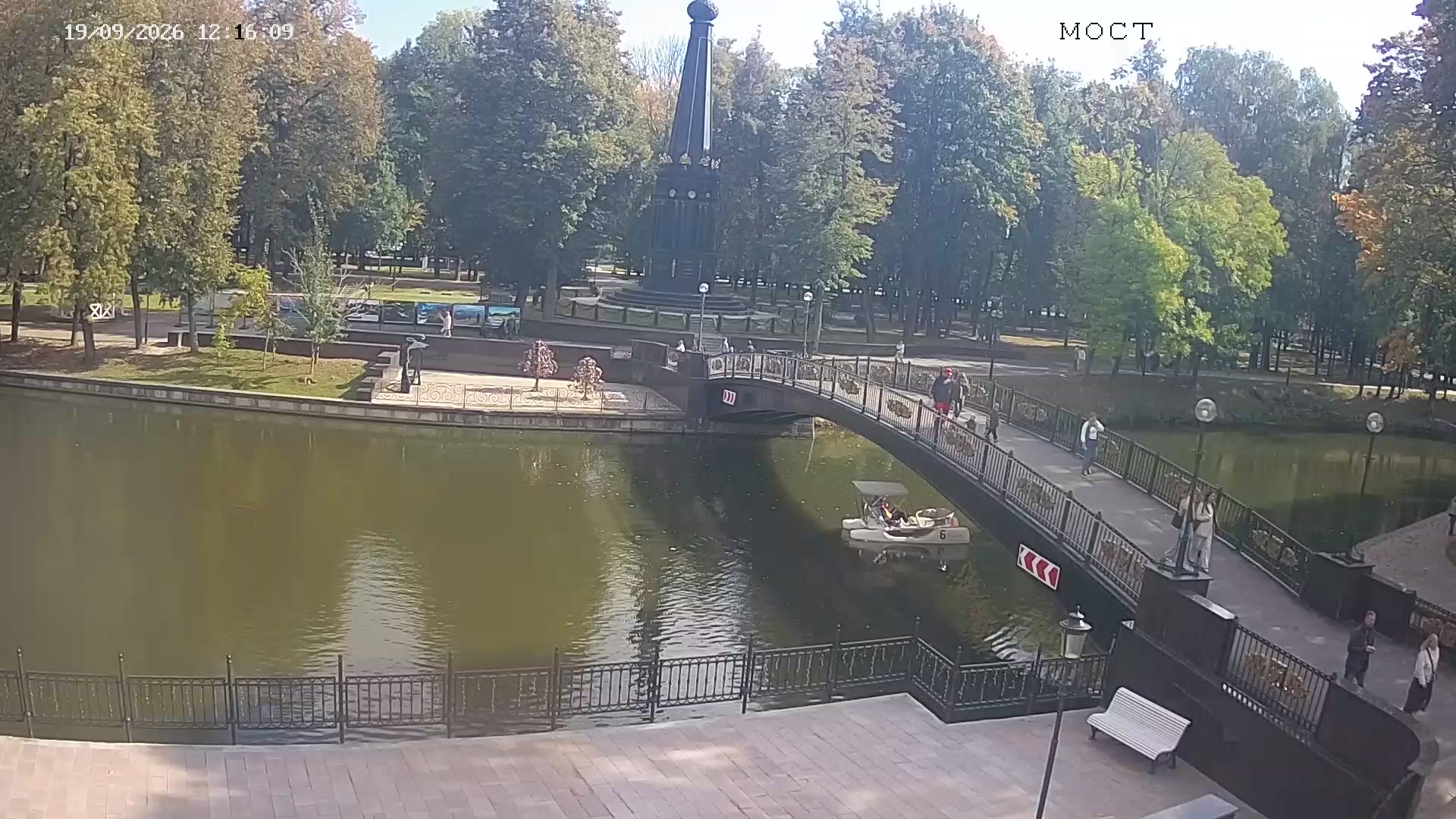
Smolensk webcams online cover key points of the city: the center, the fortress wall, the station, streets, and squares. Through surveillance cameras, you can observe the life of the city in real time — the movement of transport, pedestrians, the change of day and night. The live broadcast is available for free and without registration, making observation of Smolensk convenient for tourists, local residents, and anyone interested in this ancient city.
Cameras are installed at the Dormition Cathedral, Victory Square, Lenin Street, the railway station, and Gagarin Park. Each viewpoint reveals the city from a new side — from the grandeur of ancient walls to the everyday bustle of central streets. You can watch Smolensk online in HD quality, which allows you to examine architectural details and feel the atmosphere of the city on the hills.
Online broadcast from Smolensk is an opportunity to see a city that for centuries stood guard over the western borders of Russia. From the Dormition Cathedral to the fortress wall, from the pedestrian Lenin Street to the island station — every frame tells its own story. Webcams of the Smolensk region and the city itself open access to this heritage for viewers from anywhere in the world.