

🏙️ Peterhof Webcams Online — Watch in Real Time
2 cameras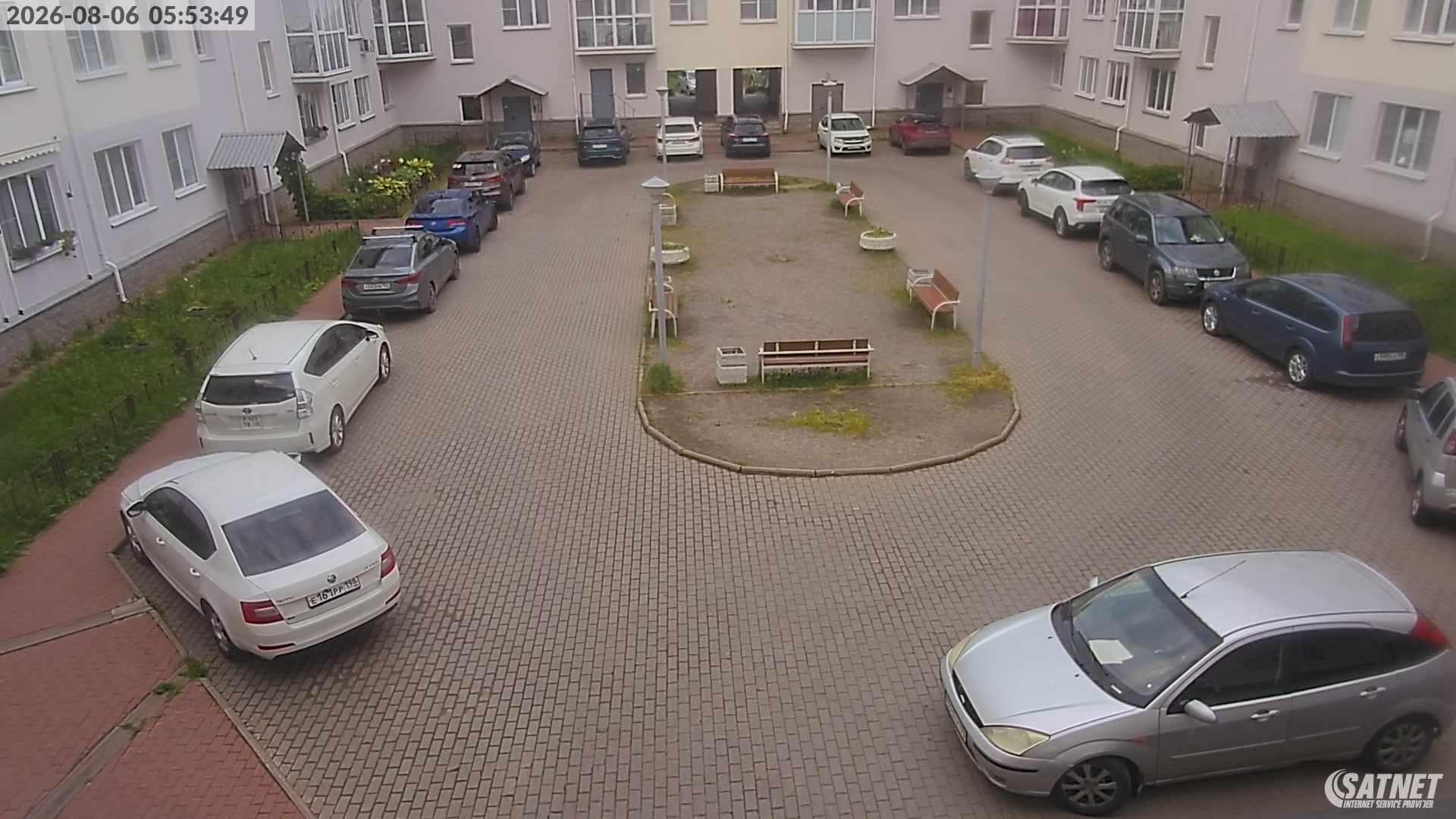
The Jewel of the Northern Capital: Peterhof — the City of Fountains on the Gulf of Finland
Peterhof is a palace and park ensemble on the Gulf of Finland, located just a few kilometers from Saint Petersburg. Originally conceived by Peter the Great as a residence-decoration, it never received official city status but remains one of the most visited tourist destinations in Russia. Historically, Peterhof is not just an architectural monument but a whole complex of estates and parks, each preserving its own history.
Foundation and Architectural Vision of Peterhof
Construction began by decree of Peter the Great in 1715. The grand opening took place on August 15, 1723, when the fountain system of the palace and park ensemble was launched for the first time. Peter the Great saw in this residence "our answer to Versailles," striving to create an imperial palace that would surpass the French ensemble in luxury and scale. It was here, on the seashore, that fountains used the elevation difference to raise water 22 meters without pumps, harnessing the 100-meter elevation drop from the Ropsha lakes to the park complex.
Water Engineering: How the Fountains Work Without Pumps
The uniqueness of the Peterhof fountain system lies in its engineering genius. Water flows through a 10-kilometer water pipeline via locks, canals, and underground tunnels from the 18th–19th centuries. 1.2 m³ of water per second — that is the volume the system delivers every second. The main attraction is the "Samson" fountain, which throws out 70 liters of water per second. The system is fully automated: water jets are adjusted on average 10–15 times a day by special wooden hammers through lead nozzles.
Secrets and Legends
The history of Peterhof is full of legends. They say that the very idea of creating a residence on the Gulf of Finland was brought to Peter the Great by Catherine I — the crowned husband needed peace and the opportunity to wait out sea storms on the way to Kronstadt. Until 1944, the city officially bore the name Petrodvorets due to its resemblance to a German word during the war years, and in 1997 its historical name Peterhof was restored. The park preserves grotto joke-fountains and a system without modern electronics, which still functions to this day.
Fountains: Grand Numbers and Details
Peterhof counts 147 fountains and more than 3 water cascades. Only 75 water jets shoot streams upward. The gilding on the Grand Cascade includes statues, bas-reliefs, and sculptural elements — the volume of gold would be enough to make 6 million gold coins. Water rises through underground tunnels, locks, and cast-iron pipes, and in summer the fountains run for 4–5 months a year — from late April to mid-October — providing the city with the sound of water and splashes. The park has its own beach on the Gulf of Finland, used both in summer and in winter when the water freezes.
Military Trials and Revival
During the Great Patriotic War, Peterhof was almost completely destroyed: the Nazis blew up the Grand Palace, fountains, and removed statues. 454 art objects were lost, but restoration work had already begun before the end of the war at the "Lenproyekt" design institute. From 1951 to 1958, restoration work was carried out — clearing debris, repairing walls, and installing ceilings. The "Samson" fountain was revived based on pre-war photographs on September 14, 1947. Today visitors see not only the park architecture but also the restored sculptures of Peterhof. The city, which is called the "underground city" thanks to its underground passages and complex water supply system, still lives and develops.
Campus and the Legacy of Peter the Great
The center of Peterhof is the Grand Palace — the residence around which the fountain ensemble was laid out. Nearby, in the historical "Monplaisir" estate, personal belongings of Peter the Great have been preserved: a towel, a nightcap, and a bed with a headboard. The architectural complex, created by four architects including Jean-Baptiste Le Blond, became a unique legacy of the era. Today Peterhof is not only architecture but also a city visited annually by nearly 5 million tourists, where every sculptural image and architectural element has its own history. The park has preserved pinnacle terraces, staircases, and underground passages connecting palaces with park facilities.
Tourism and Cultural Life
Modern Peterhof is developing as a tourist center while preserving the atmosphere of a palace residence. In the city unofficially called the "Russian Versailles," new routes open every day. The buildings and parks of Peterhof are used for filming historical movies — "Anna Karenina," "War and Peace" and other productions were shot here. City guests can not only explore the sights but also take tours of the historical complex. Peterhof is a combination of natural landscape, engineering marvels, and historical events that make the city unique.
What the Cameras Show
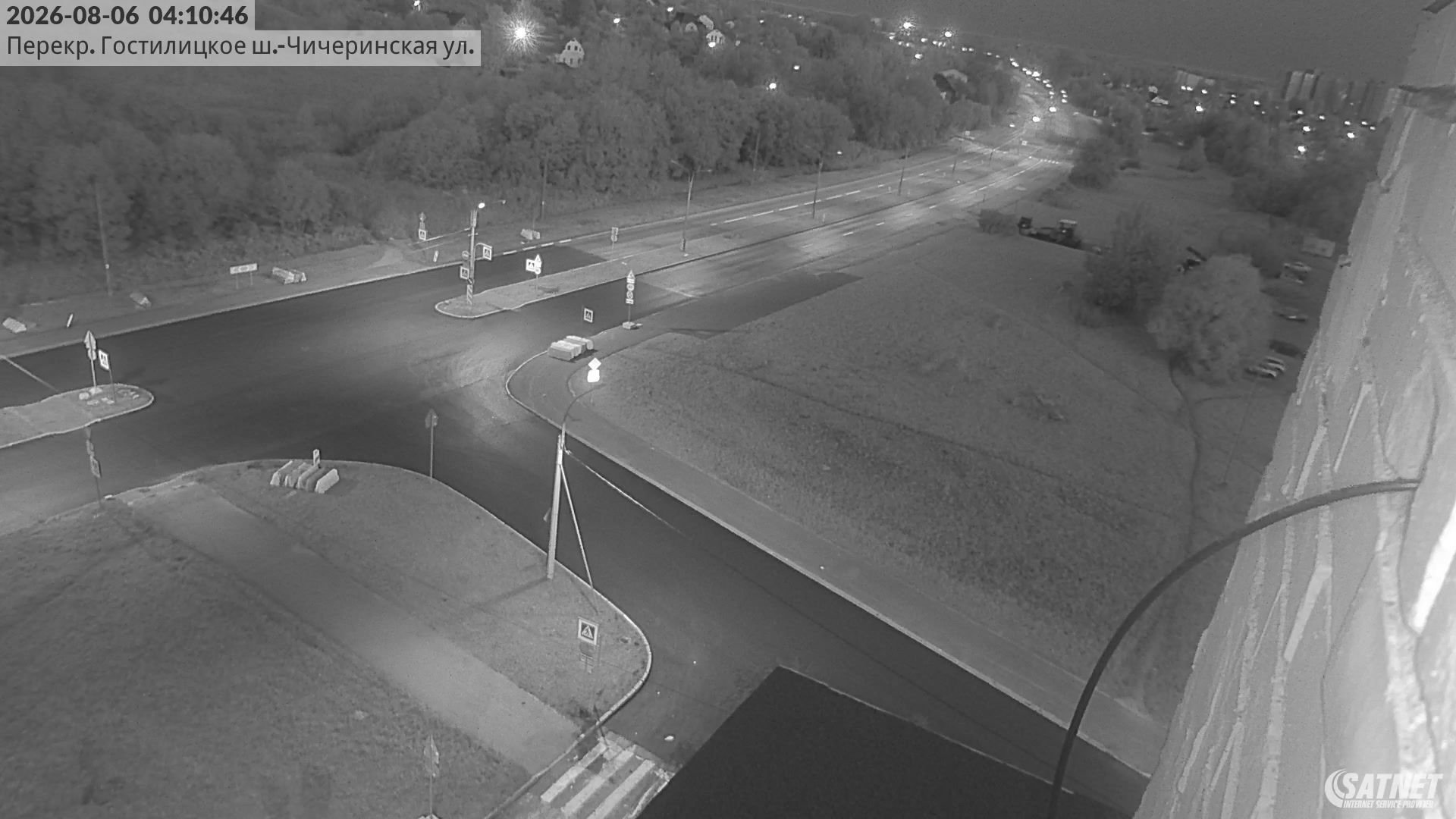
If you want to see Peterhof in real time, you can find webcams that broadcast the city's atmosphere. Camera views offer glimpses of park ensembles, fountains, and the coastal area, allowing you to monitor the weather and assess the scale of architectural objects. Watching through webcams is a great way to see Peterhof online and evaluate conditions for a visit in advance. This is especially convenient when temperatures are low and the fountains are not operating, or when you need to check the weather before heading out into the city.