

🏙️ Posada webcams online — watch in real time
1 cameras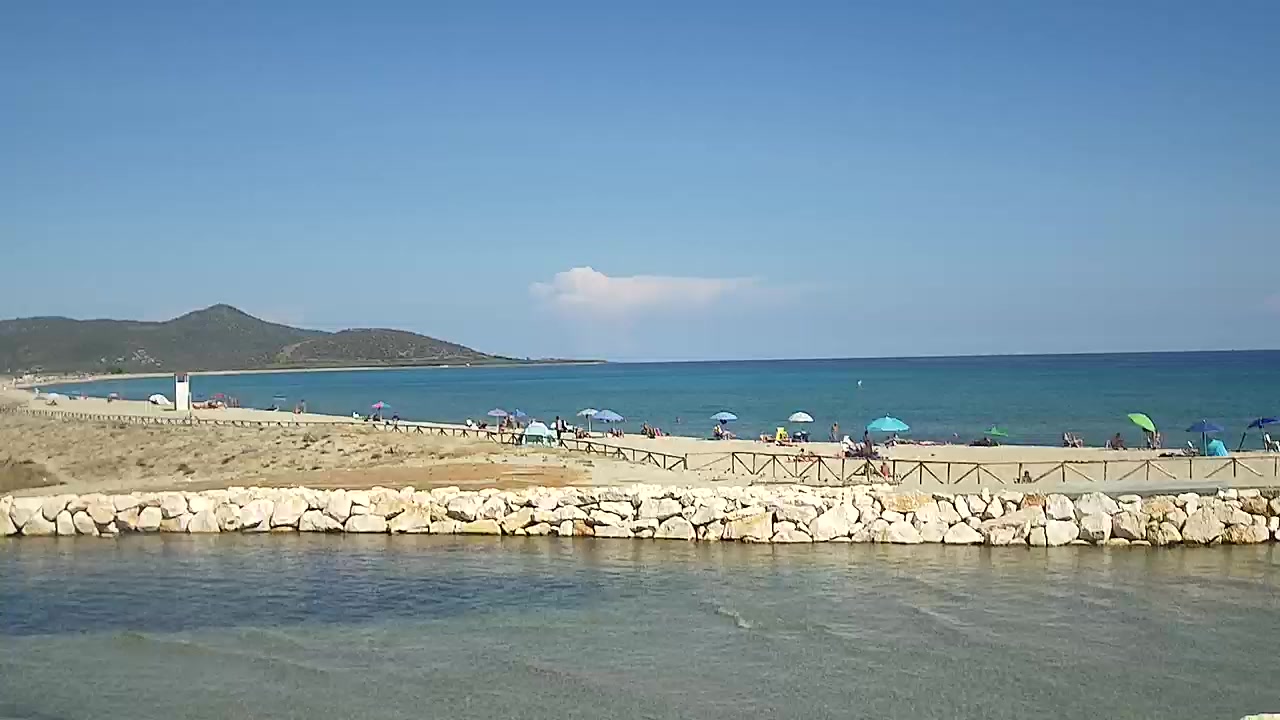
History of Posada: from antiquity to the present day
Posada is one of the oldest settlements in Sardinia, founded around the V-IV centuries BC on a limestone promontory on the northeastern coast. The toponym "Pausata", from which the modern name derives, means "stopping station" and "border place". In official documents the name "Posada" appears from 1341, derived from the Spanish word meaning "stop" or "resting place", indicating the historical function of the settlement as a border point between the judicatures of Gallura and Arborea.
The strategic position on the promontory between the Gulf of Orosei and the open sea determined Posada's role as a border settlement over the centuries. During the medieval period the village was at the junction of influence of various judicatures — independent state formations of Sardinia, which was reflected in its architecture and fortifications. The inhabitants of Posada lived for centuries on the border between territories, shaping a special local culture and traditions. In 1477, Posada became the site of the first kidnapping for ransom in the island's history — an event reflecting the complex political situation of that time. Today this village is considered the historical capital of Baronia and is included in the prestigious list of "I Borghi più belli d'Italia" — the most beautiful villages in Italy.
Castello della Fava: the castle with a legend
Above Posada rises Castello della Fava — a medieval fortress of hewn stone, presumably built in the XIII century. The exact date of foundation is unknown, but the castle already existed during this period and was used as a summer residence for judges and nobility. The fortress is located on a hilltop offering panoramic views of the coast and surroundings — a strategic advantage that allowed control of sea approaches to the village.
The name of the fortress is connected to a legend from the XIV century: during a siege by a Muslim fleet, the inhabitants gave their last beans to a dove, which flew to the enemy. The enemies, seeing the dove's swollen crop and abundant food, decided that the castle had plenty of provisions and lifted the siege. This story explains the unusual name Castello della Fava (Bean Castle). Today, ruins remain from the castle — fragments of walls, tower foundations and parts of fortifications — but they still dominate the landscape and are one of Posada's landmarks. Climbing to the castle allows not only to explore the ruins but also to enjoy one of the best views of the Baronia coast.
Architecture and churches of the center
The historic center of Posada has preserved its medieval layout with narrow streets and stone houses. The main church of the village is the parish church Chiesa di Sant'Antonio Abate, built in the XVII century on the site of an earlier religious building from the XIV century. The church is the center of the community's spiritual life and an example of Sardinian Baroque architecture, with a characteristic facade and interior reflecting the religious traditions of the region.
Near the beach is another historic church — Chiesa di San Giovanni, located in close proximity to the coast. These churches are important architectural monuments of Posada and testify to the centuries-old religious tradition of the village. A walk through the center also reveals traditional Sardinian houses with characteristic stone facades and tiled roofs, small squares and courtyards where the atmosphere of past centuries is preserved. The architecture of Posada is a blend of medieval traditions and later additions, creating a unique appearance of the village.
The coast and the Tower of Saint John
On the promontory near Posada beach stands the coastal tower Torre di San Giovanni — a typical example of medieval defensive structures of the Sardinian coast. The tower is located at a strategic point and once protected the settlement from sea raids, which were not uncommon on the Sardinian coast in the Middle Ages. Today it is a historical monument and a popular photography spot, especially at sunset when the stone takes on warm hues.
The coast of Posada features a landscape characteristic of eastern Sardinia: limestone cliffs alternate with sandy beaches, and the clear waters of the Gulf of Orosei attract swimming and snorkeling enthusiasts. San Giovanni beach is one of the main natural attractions of the village, where you can observe marine life and enjoy coastal views. In summer months the coast fills with tourists, but at other times a peaceful atmosphere prevails, typical of small Sardinian communes.
Posada today: atmosphere of a Sardinian village
Modern Posada is an authentic Sardinian village where historical heritage intertwines with everyday life. As the historical capital of Baronia, it preserves the traditions and culture of this region. The narrow streets of the center, stone facades and sea views create an unmistakable atmosphere that can be felt by observing the life of the village through webcams. Local residents lead a measured lifestyle, maintaining a connection with rural traditions and crafts passed down from generation to generation.
Posada attracts tourists not only with its beaches but also with its rich history. The castle, churches, coastal tower and medieval layout make it an interesting destination for those who want to get to know the real Sardinia, away from mass tourism. The village offers a measured pace of life typical of small Italian communes, where traditions are passed down from generation to generation. Restaurants and cafes in the center offer local cuisine based on fresh seafood and traditional Sardinian recipes.
What the cameras show in the city
Posada webcams allow you to see the historic center, coast and surroundings of the village in real time. Online broadcasts cover key points: from the square with the parish church to the coastal area with views of the Tower of Saint John. Observing Posada in real time provides an opportunity to assess the weather, sea conditions and atmosphere of this Sardinian village before a trip or simply to get acquainted with the life of an Italian province. The cameras show both the daytime life of the village — movement on the streets, activity on the beaches — and the evening silence of medieval streets.
Watching Posada online is possible at any time of day — the cameras operate around the clock, allowing you to see both daytime activity on the beaches and the evening silence of medieval streets. This is a convenient way to plan a trip or simply enjoy the views of Sardinia without leaving home. Posada webcams online are a window into the life of one of the most authentic villages on the eastern coast of Sardinia, where history meets modernity against the backdrop of Mediterranean landscapes.