

🏙️ Fujinomiya Webcams Online — Watch in Real Time
2 cameras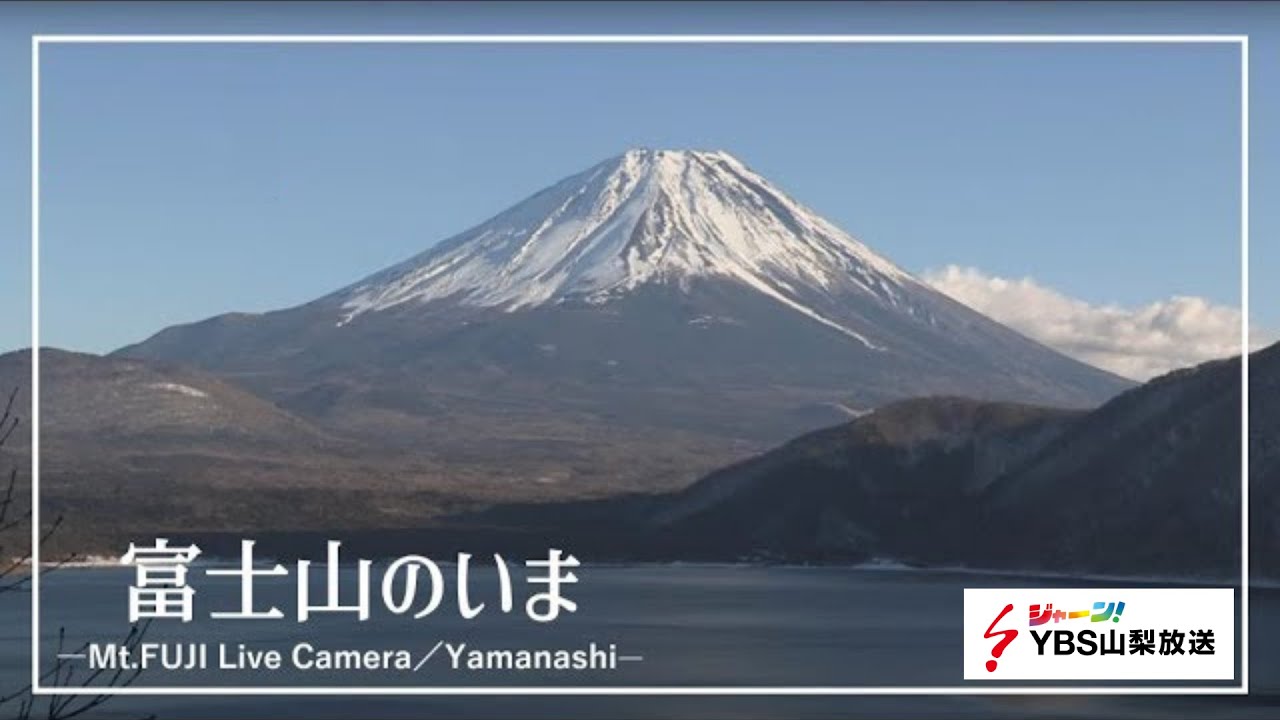

History of Fujinomiya: The City Before the Torii
Fujinomiya is a quiet town at the southern foot of Mount Fuji in Shizuoka Prefecture, offering one of the best views of Japan's iconic symbol. The city's name derives from the former name of the Fujisan Hongu Sengen Taisha Shrine, which translates as "the city before the torii." This ancient settlement developed as a thriving toriimae-machi — a town before the temple gates — where the ascent of Fuji began in ancient times. Its unique location made it not just a point on the map, but a place of pilgrimage for centuries.
The history of this place is inseparably linked to the cult of Mount Fuji worship. For centuries, the town served as the final stop before the climb, where pilgrims would pause for prayer and preparation before ascending. The streets still preserve the atmosphere of old Japan, where Shinto traditions intertwine with modern life. The area retains its historical character despite the development of tourist infrastructure, remaining one of the most authentic places to experience the culture of the Tokugawa region.
Today, Fujinomiya attracts travelers not only as a starting point for climbing but also as a standalone destination. Strolling through quiet streets, visiting local shops with traditional craft products, and sampling regional cuisine make the city appealing for those who want to see the real Japan, far from the noise of megacities. Fujinomiya webcams allow you to appreciate the atmosphere and the scale of Mount Fuji rising above the rooftops.
Fujisan Hongu Sengen Taisha Shrine
Fujinomiya is home to the main Fujisan Hongu Sengen Taisha Shrine — a cultural heritage site and the starting point for ascents of Mount Fuji from the southern side. This sacred place has served as a spiritual center for pilgrims heading to the summit for centuries. The shrine's architecture reflects traditional Japanese style, and the surrounding park creates an atmosphere of tranquility.
The shrine was built during the Heian period (794–1185) and has been reconstructed multiple times since then. The main hall (honden) is a classic example of Shinto architecture, featuring a characteristic kirizuma-zukuri roof and carved wooden ornament decorations. Sacred relics related to the history of Fuji worship are kept inside. Annual festivals are held here, attracting thousands of visitors who participate in traditional ceremonies and processions.
The shrine grounds are surrounded by centuries-old cryptomeria trees, creating shaded alleys for leisurely walks. Koi fish swim in the ponds at the entrance, and stone lanterns illuminate the path to the prayer areas. For visitors to Fujinomiya, the Sengen Shrine is a must-visit that allows you to touch the spiritual history of Japan and understand why this mountain became the symbol of the nation.
The 5th Station and the Climbing Route
The Fujinomiya 5th Station sits at an altitude of 2,400 meters and marks the beginning of the most popular climbing route on Mount Fuji. The Fujinomiya Trail is open only in July and August, when weather conditions allow for the ascent without special mountaineering equipment. From the Fujinomiya bus station, you can reach the 5th Station at 2,400 meters by special bus.
This route attracts tourists from around the world thanks to its relatively short distance and stunning sunrise views. The ascent to the summit takes about five to seven hours, and the descent takes three to four hours. Mountain huts are located along the trail where you can rest and stay overnight to greet the sunrise at the summit. The Fujinomiya route is considered one of the most accessible for beginners, though it still requires good physical fitness.
From the 5th Station, a panoramic view opens up of Fuji's southern slopes and the surrounding plains. In clear weather, the Shizuoka coastline and the Pacific Ocean are visible from here. For those planning the climb, it is important to consider that temperatures at the summit can drop to zero even in summer, so warm clothing and reliable footwear are essential. Live streams from Fujinomiya webcams help assess current weather conditions and mountain visibility before the trip.
Natural Treasures of the Surroundings
The surroundings of Fujinomiya are rich in natural attractions. The drive from Fujinomiya to the Shiraito Falls takes about 30 minutes along scenic prefectural roads. Buses to Shiraito Falls run more frequently than to Lake Tanuki (approximately once per hour), and tickets can be purchased on the first floor under the pedestrian bridge near Fujinomiya Station.
The Shiraito Falls form a cascade about 200 meters wide, where water flows over basalt rocks, creating the effect of white threads — hence the name, which translates as "white threads." This site has been declared a Natural Monument of Japan and is included in the UNESCO World Heritage list as part of the cultural landscape of Fuji. Observation decks and souvenir shops are located near the falls.
The Asagiri Kogen Plateau is located on the southwestern side of Fuji — a vast highland with excellent views and tourist infrastructure, popular among hiking and stargazing enthusiasts. The plateau sits at an altitude of about 800–1000 meters and offers panoramic views of Fuji, especially picturesque at sunset. Campsites, hotels, and restaurants with local cuisine operate here. Lake Tanuki, located nearby, is a popular spot for fishing and boat rides.
The region's natural diversity makes it attractive for ecotourism. In spring, cherry blossoms bloom here; in autumn, maples paint the slopes in crimson tones; and in winter, Fuji's peak is covered with snow, creating the classic landscapes captured in Hokusai's woodblock prints. Each season brings new colors to the landscape, making the surroundings of Fujinomiya interesting for repeat visits.
How to Get to Fujinomiya
From Tokyo to Fujinomiya, you can travel via the JR Tokaido Line to Fuji Station, then transfer to the JR Minobu Line to Fujinomiya Station. From Mishima Station on the Shinkansen line (Tokyo–Kyoto), direct buses to Fujinomiya depart every two hours from 7:35 to 17:45. The journey takes about two hours, with views of Mount Fuji along the way.
For travelers looking to save time, there is a direct bus service between Tokyo and Fujinomiya. Buses depart from Shinjuku Station and travel via expressway to Fujinomiya. Travel time is about two and a half hours depending on traffic. Tickets can be purchased in advance online or at the bus terminal.
Fujinomiya Railway Station is the terminus of the Minobu Line, making it a convenient transportation hub for the region. From the station to the city center and Sengen Shrine, it is a 15–20 minute walk or a short local bus ride. A tourist information center is located at the station, where you can obtain maps and consultations on local attractions.
What the Cameras Show
The webcam in Fujinomiya is installed on the roof of the city hall building and broadcasts a direct panorama with a view of Mount Fuji. The camera shows the same close, symmetrical southern slope of Fuji that is visible from the city, so the visibility of the peak in the stream corresponds to the actual weather. On isfujijvisible.com, 36 live webcam streams are available, showing Mount Fuji from various angles, including southern cameras (Hakone, Gotemba, Fujinomiya, Shonan coast). On the official Mount Fuji climbing website, a camera from the mountain summit is available (the former meteorological station at 3,776 m) with round-the-clock streaming.
These webcams allow you to observe Fujinomiya and Mount Fuji in real time, regardless of your location. You can assess weather conditions, summit visibility, and the overall atmosphere of the city before your trip, or simply enjoy the view of Japan's symbol from anywhere in the world. The streams operate around the clock, allowing you to see Fujinomiya both during the day and at night.