

🏙️ Webcams Hwange online — watch the coal capital of Zimbabwe in real time
1 cameras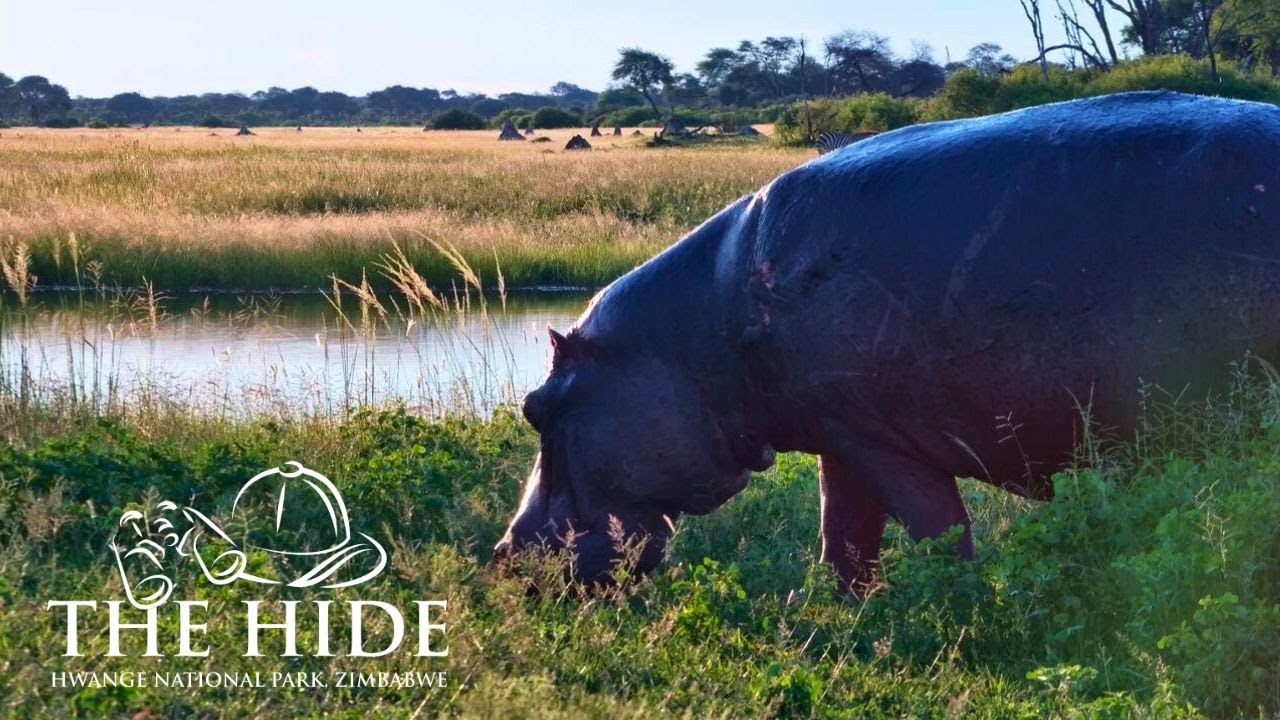
Hwange — the coal heart of Zimbabwe and gateway to the wild savanna
In northwestern Zimbabwe, where the A8 highway meets the red earth of the savanna, stands a city with a complex fate. Hwange is where the country's industrial might meets one of Africa's most impressive wild ecosystems. Born from the coal rush of the early 20th century, the city remains a key energy center of the state and simultaneously — the gateway to a national park where there are more elephants than people on the entire continent.
If you are planning a trip to Zimbabwe or simply want to feel the atmosphere of an African city at the crossroads of civilization and wild nature, Hwange webcams will allow you to see this place in real time without leaving home.
How coal created the city: history of Hwange
In 1900, when geologists discovered rich coal deposits here, there was nothing but savanna and rare settlements of local residents. Hwange was founded around 1900 and originally bore the name Wankie — a distorted local name that colonists pronounced in their own way.
The name Hwange was given in honor of the local chief Whanga — the dynastic head of the Abananza people, who ruled these lands long before the arrival of industrialists. Today the city bears the name of its historical leader, and this is a rare case when a colonial name was replaced by an indigenous African one.
The coal rush attracted workers from all over Rhodesia. Mines grew, railways followed them, and by the mid-20th century Hwange had become a typical mining town with a population that today stands at about 40,643 people.
Hwange National Park: where elephants rule
But the real fame of Hwange is not coal, but the national park stretching to the north and west of the city. Hwange National Park is the largest national park in Zimbabwe, covering about 14,600 sq km. This is a territory comparable to a small European state, where wild nature has been preserved as it existed thousands of years ago.
The main treasure of the park is elephants. About 45,000 elephants live here — one of the largest populations on the planet. This is three times the natural carrying capacity of the territory, estimated at 12,000–15,000 individuals. Elephant herds move across the savanna, digging water in dried riverbeds and creating waterholes that save other animals during the dry season.
But elephants are not the only inhabitants. The park is home to lions, leopards, cheetahs, African wild dogs, spotted hyenas, zebras, giraffes, wildebeest, impalas, kudus, and sable antelopes. The biodiversity here is stunning: more than 100 species of mammals and over 400 species of birds.
Energy hub: coal and electricity
While elephants roam the park, industrial life booms in the city itself. Hwange Colliery — the largest coal company in Zimbabwe — has been mining by open-pit and underground methods for over a century. Coal from here fuels not only the local economy but also the energy sector of the entire country.
Hwange Thermal Power Station is the largest power plant in Zimbabwe. This giant complex, running on local coal, generates a significant portion of the country's electricity. Without Hwange, Zimbabwe would be plunged into darkness — literally.
Paradox: the city that gave the country light and heat itself periodically suffers from power outages. Outdated equipment and chronic underfunding mean the station operates far from full capacity, despite the colossal coal reserves literally underfoot.
Geography and location: between Bulawayo and Victoria Falls
Hwange occupies a strategic position on the main transport artery of western Zimbabwe. The city is located on the A8 highway, which connects Bulawayo — the country's second capital — with Victoria Falls. Hwange is about 100 km southeast of Victoria Falls.
This makes the city a convenient stopover for travelers heading to see one of the seven natural wonders of the world. Many tourists stay here overnight, and some linger longer, discovering a city that is completely unlike the resort settlements near the falls.
The climate here is hot and dry — typical of the lowland savanna. Daytime temperatures in summer easily exceed 35°C, and in winter nights can be truly cold by African standards. The dry season lasts from May to October — the best time to watch wild animals gathering at the few waterholes.
Atmosphere of a mining town: life in Hwange
Hwange is not a tourist center. It is a working city where people mine coal, service the power plant, and work in the tourism sector serving visitors heading to the national park. There is no pomposity of Harare or colonial charm of Bulawayo. But there is something more valuable — authenticity.
The city streets are lined with single-story houses with red roofs, market stalls overflow with fresh fruits and vegetables, and at the market you can meet miners in overalls just descended from the mine and rangers in khaki returning from the park. This contrast is the highlight of Hwange.
The local people are predominantly representatives of the Ndebele people, whose culture is imbued with warrior traditions and deep respect for ancestors. Wood carving, basket weaving, traditional dances — all this can be seen at local festivals and in everyday life.
What to see: from mines to waterholes
The main attraction is, of course, the national park. But there is also something to see in the city itself. The Coal Industry Museum tells the story of the mines that fed the city for over a century. The miners' monument at the entrance to Hwange reminds of the price people pay for the black gold of the earth.
In the park, tourists can watch animals from platforms at waterholes — a particularly impressive sight unfolds in the dry season when hundreds of elephants, zebras, and antelopes gather at the water. Night safaris reveal the world of nocturnal predators: lions, leopards, and hyenas.
For those who want to see the city before traveling, Hwange webcams online are a great way to assess road conditions, weather, and the general atmosphere of the place.
What is visible on cameras
This page collects all available Hwange webcams broadcasting the city in real time. Select the broadcast you are interested in to see the streets of Zimbabwe's mining capital, watch traffic on the A8 highway, or simply feel the rhythm of life in a city where coal mines neighbor the wild savanna and elephants are full-fledged residents of the surroundings. Watch Hwange webcam right now — and you will see a place that is impossible to forget.