Crooklets Beach in Bude — Live Webcam with Atlantic Ocean Views
Geological Heritage: 300-Million-Year-Old Cliffs
Crooklets Beach in Bude is not just a sandy stretch on the Cornwall coast — it's a true open-air geological museum. The cliffs framing the shoreline bear traces of the Carboniferous period — their age is estimated at 300–310 million years. In those days, a vast tropical lake stretched across the site of modern-day Bude, where layers of sand and silt accumulated. When Britain and France collided as a result of tectonic processes, these deposits were folded into the dramatic landscape we see today.
Geologists classify the local rocks as part of the Crackington Formation — these are shales and fine-grained turbidite sandstones exposed in the area between Bude and Crackington Haven. Each layer of rock is a page in Earth's history, telling of ancient oceans, tropical storms, and the slow drift of continents. For those watching the live webcam, these dark cliff walls create a striking contrast with the white foam of the waves.
Military History: Training Before D-Day
The Second World War left a deep mark on Bude's history. On 2 December 1943, American soldiers landed on Crooklets Beach, preparing for the largest amphibious operation in history — the Normandy landings. Bude's coastline resembled the beaches of Normandy, making it an ideal training ground for practising amphibious assault tactics.
Today, the town centre features a "World War II Heritage Trail" that passes through sites used by American troops for training. Walking along this route, you can imagine soldiers marching through these same streets 70 years ago, and training explosions thundering on Crooklets Beach. The live webcam shows the very shore where the fate of Europe was decided.
Rock Pools: A World of Rare Marine Life
Low tide at Crooklets Beach reveals a whole laboratory of life — rock pools teeming with amazing creatures. Here you can find the velvet swimming crab with its distinctive black-tipped claws, as well as the wireweed Sargassum muticum — a non-native species that has taken hold in these waters. Among the other inhabitants are the stalked sea squirt, common starfish, hermit crabs, and various species of gastropods.
Particular attention should be paid to the anemones: the snake-locks and strawberry anemones adorn the rocks with bright spots. In deeper pools, you can encounter the bull-rout and the butterfish. For nature lovers, Crooklets' rock pools are a true treasure, available for observation both in person and via the live webcam when getting close to the inhabitants is not possible.
Surfing at Crooklets: Waves for All Levels
Bude has long been renowned among surfers as one of the best spots in Cornwall for catching waves. Crooklets Beach is known for its powerful waves that break during westerly and south-westerly swells. The waves here are fast, sometimes hollow, yet the beach is also suitable for beginners — the sandy bottom and predictable terrain make learning safe.
The history of surfing in Bude is closely linked to Britain's first surf life saving club, which was founded under the influence of two Australian surfers. Today, Crooklets remains one of the best surf spots in the area thanks to a unique combination: it maximises small swells while simultaneously handling large waves. Other popular waves in the Bude area include Rangles, Dumps, and Salt House.
Local Legends: Sea Spirits and Ghosts
Cornwall is a land of legends, and Crooklets Beach is no exception. Local tales speak of sea spirits — mermen who come ashore during storms to dwell in coastal communities. These stories of monsters and ghostly encounters are characteristic of the entire region and create an air of mystery around the beach.
There are also ghost stories — it is said that on foggy nights you can meet soldiers from the Second World War still carrying out their duty on the shore. Such legends add a special charm to walks along Crooklets, especially when the live webcam shows the foggy Atlantic and dark silhouettes of the cliffs.
What You Can See on the Camera
The webcam at Crooklets Beach in Bude broadcasts a panorama of the Cornwall Atlantic coast in real time. The frame includes the sandy beach, the rock formations of the Crackington Formation, and the boundless expanse of the ocean. Depending on the time of day and the tides, you can watch surfers catching waves or rock pool explorers studying marine life.
The camera is positioned so that both Bude's sea pool and the neighbouring Summerleaze Beach are in view. This allows you to assess weather conditions on the coast — whether it's storm waves crashing onto the shore or the calm surface of low tide revealing the rock pools. The live stream from Crooklets is a chance to experience the wild beauty of Cornwall without leaving home.
Similar cameras
Find similar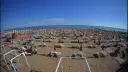




Author's other cameras
All camerasComing soon