

🏙️ Веб-камеры Красноярск онлайн — смотреть в реальном времени
61 камер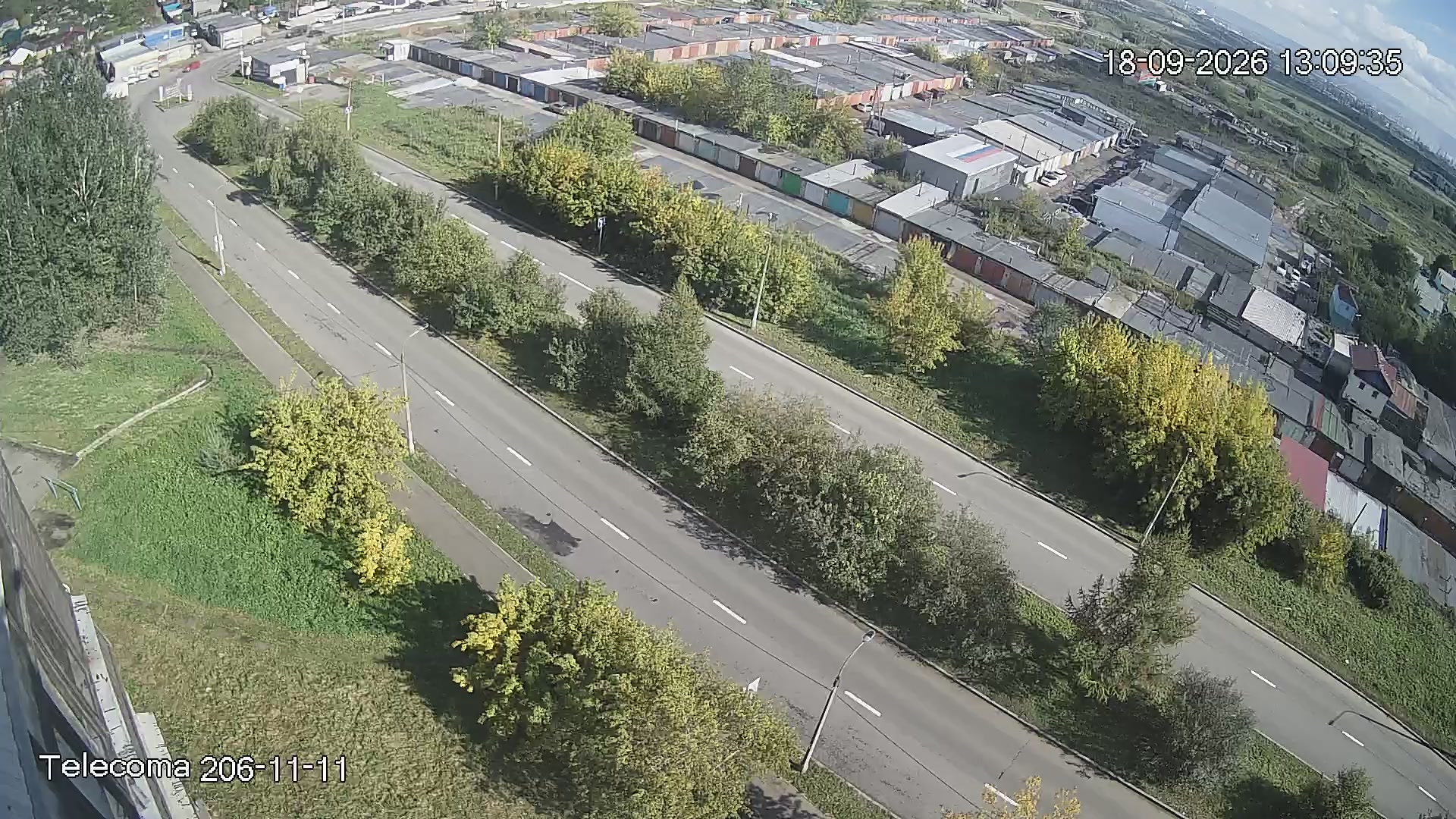




Красноярск — ворота Сибири на берегах Енисея
Красноярск — один из крупнейших городов Сибири, раскинувшийся на обоих берегах могучего Енисея. Этот город часто называют воротами Центральной Сибири, и не случайно: именно здесь пересекаются важнейшие транспортные артерии, соединяющие европейскую часть России с Дальним Востоком. Веб-камеры Красноярск позволяют увидеть это величие в реальном времени — широкую реку, по которой когда-то ходили первопроходцы, и современный мегаполис, выросший из небольшого острога.
Город поражает контрастами: исторические кварталы соседствуют с промышленными гигантами, а природные ландшафты напоминают о том, что Красноярск окружён одними из самых живописных мест в России. Смотреть Красноярск онлайн — значит наблюдать за жизнью города, который не перестаёт развиваться, сохраняя при этом свою сибирскую идентичность.
От острога до мегаполиса: история города
История Красноярска начинается в 1628 году, когда отряд казаков во главе с Андреем Дубенским основал на берегу Енисея деревянный острог. Первоначально поселение называлось Красный Яр — по красному цвету глинистых берегов, которые до сих пор видны в некоторых местах. Официальной датой основания города считается август 1628 года, когда началось строительство укреплений на месте впадения реки Кача в Енисей.
За почти четыре века Красноярск прошёл путь от пограничной крепости до крупного промышленного и культурного центра. В XIX веке город стал одним из центров золотодобычи в Сибири, а в советское время здесь были построены гиганты промышленности — Красноярский алюминиевый завод, ГЭС на Енисее и множество других предприятий. Сегодня численность населения превышает 1,1 миллиона человек, что делает его одним из крупнейших городов России.
Районы и атмосфера: чем живёт Красноярск сегодня
Современный Красноярск — это город с ярко выраженной районной структурой. Центральная часть сосредоточена вокруг проспекта Мира и улицы Карла Маркса — здесь находятся исторические здания, театры и музеи. Советский район — крупнейший по населению, здесь расположены жилые кварталы и торговые центры. Академгородок — научное сердце города, где сосредоточены институты Сибирского отделения РАН.
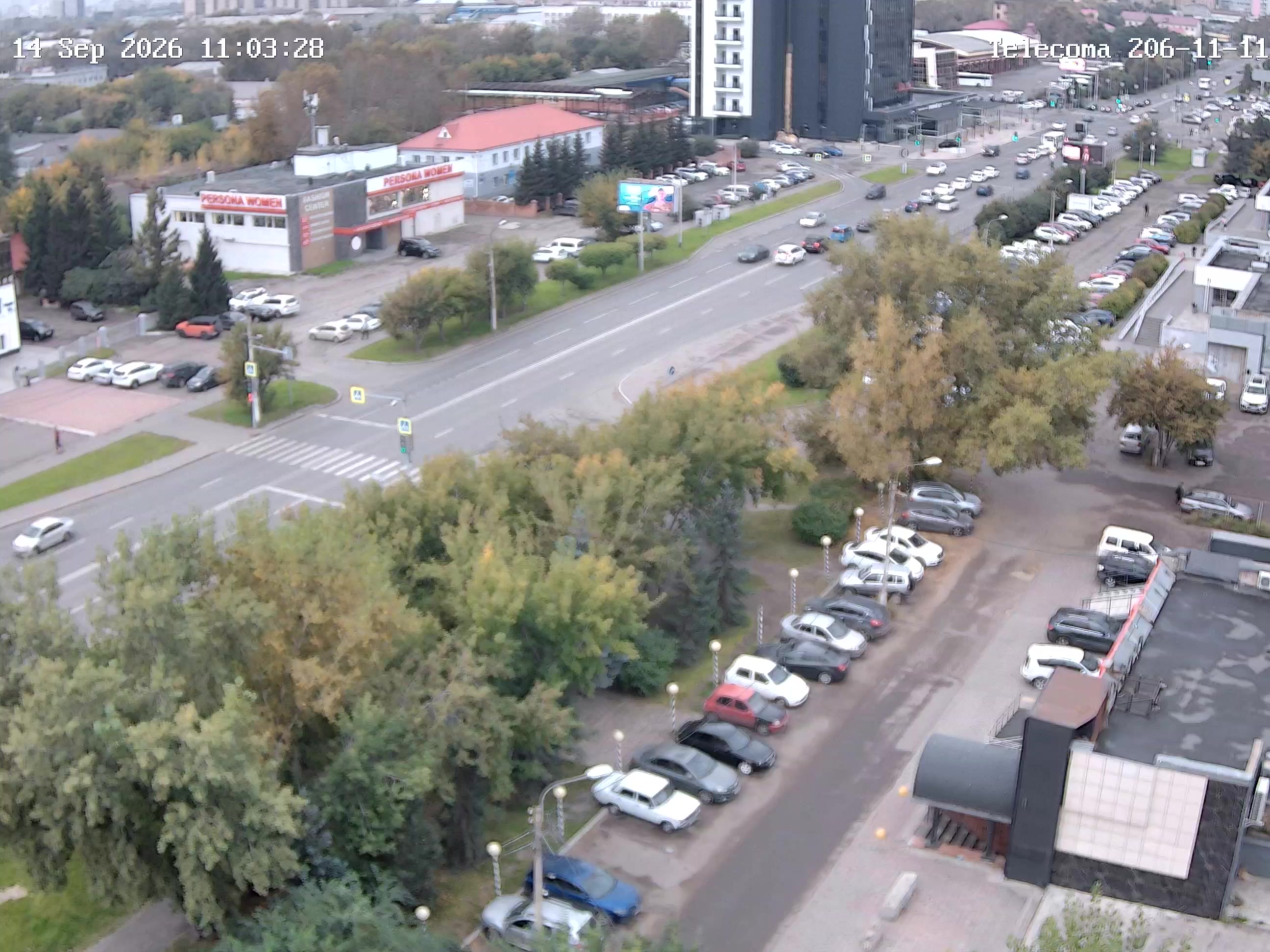
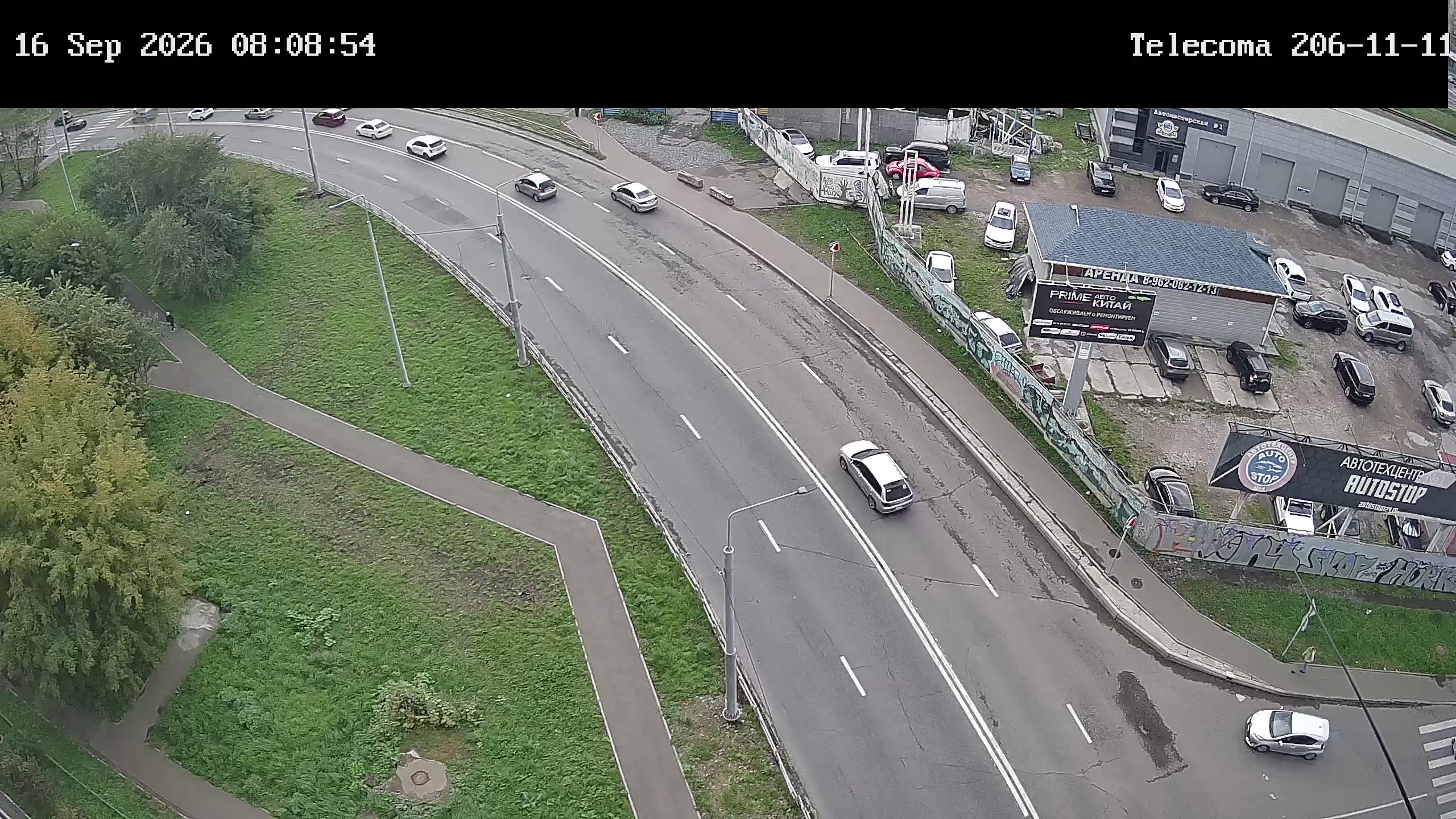
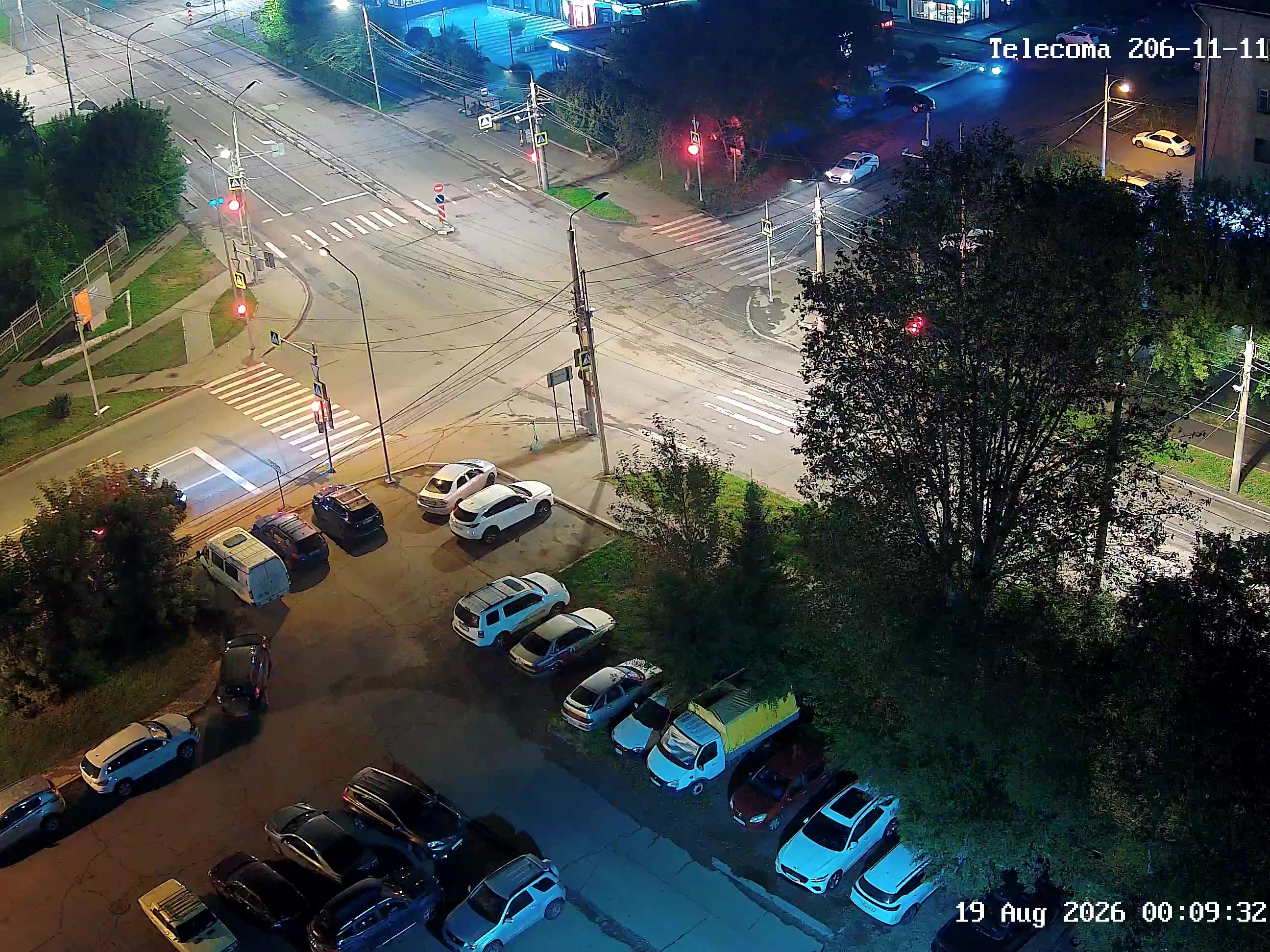
Онлайн трансляция Красноярск показывает, как пульсирует жизнь в разных частях города: от оживлённых перекрёстков центра до спокойных улиц спальных районов. Ленинский район с его промышленными зонами и жилыми массивами демонстрирует другую сторону мегаполиса — рабочую, динамичную, настоящую сибирскую.
Заповедник «Столбы» — природная жемчужина Сибири
Одна из главных достопримечательностей Красноярска находится буквально на пороге города. Заповедник «Столбы» был основан в 1925 году для сохранения уникальных сиенитовых останцев — скальных образований, возраст которых превышает 400 миллионов лет. Сегодня его площадь составляет 48 066 гектаров, и это один из самых посещаемых национальных парков России.
Веб-камеры Столбы Красноярск позволяют увидеть эти природные чудеса, не выходя из дома. Скалы Дед, Перья, Львиные ворота — каждый останец имеет своё имя и легенду. Для многих красноярцев поход на Столбы — это не просто туризм, а часть жизни, традиция, передающаяся из поколения в поколение. Смотреть Красноярск онлайн с видом на заповедник — значит прикоснуться к первозданной сибирской природе.
Архитектурные символы: мосты, площади и острова
Красноярск невозможно представить без его мостов. Коммунальный мост через Енисей — инженерный памятник, изображённый на купюре достоинством 10 рублей. Это не просто транспортная артерия, а символ соединения двух берегов, двух частей города. Предмостная площадь — место, где назначают встречи и проводят праздники, откуда открывается лучший вид на реку.
Остров Татышев — крупнейший парковый комплекс Красноярска, расположенный посреди Енисея. Здесь находится Платинум Арена — ледовая арена вместимостью 7000 зрителей, открытая в 2018 году. Веб-камеры острова Отдыха Красноярск показывают, как горожены проводят свободное время: на велосипедных дорожках, спортивных площадках и набережной.
Климат и природа: когда лучше смотреть на город
Климат Красноярска — континентальный, с холодной зимой и тёплым летом. Енисей делит город на правый и левый берега, и каждый из них имеет свой характер. Правый берег — историческое ядро, левый — более современный, с Академгородком и промышленными зонами. Река не только украшает город, но и формирует его микроклимат, смягчая морозы зимой и принося прохладу летом.
Погода Красноярск камера показывает, как меняется город в зависимости от времени суток и погодных условий. Заснеженные улицы, дождливые проспекты, закат над Енисеем — каждое состояние природы придаёт Красноярску неповторимый облик. Онлайн трансляция погоды позволяет увидеть город в любую минуту — будь то ясный полдень или звёздная ночь.
Какие камеры показывают город
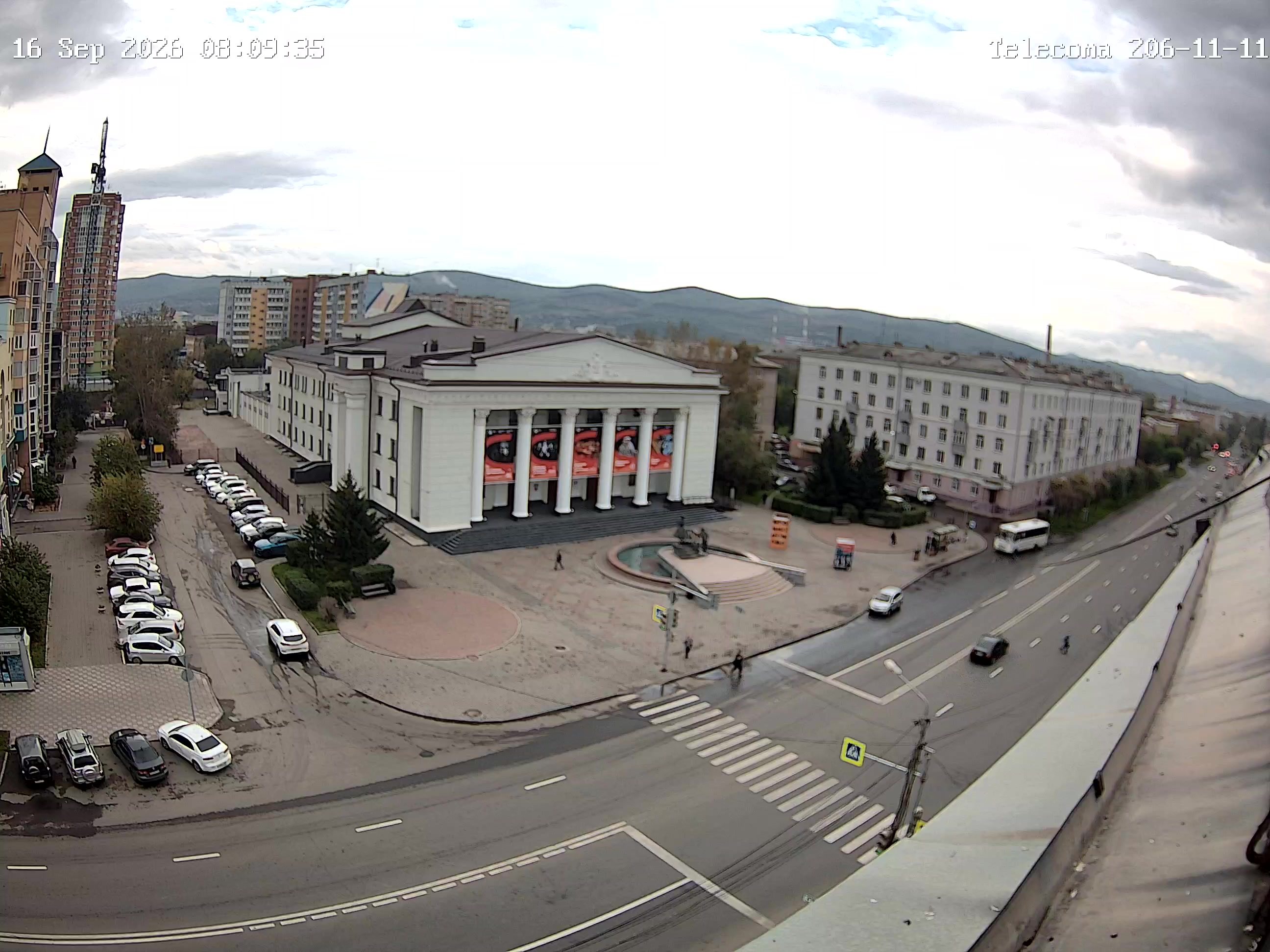
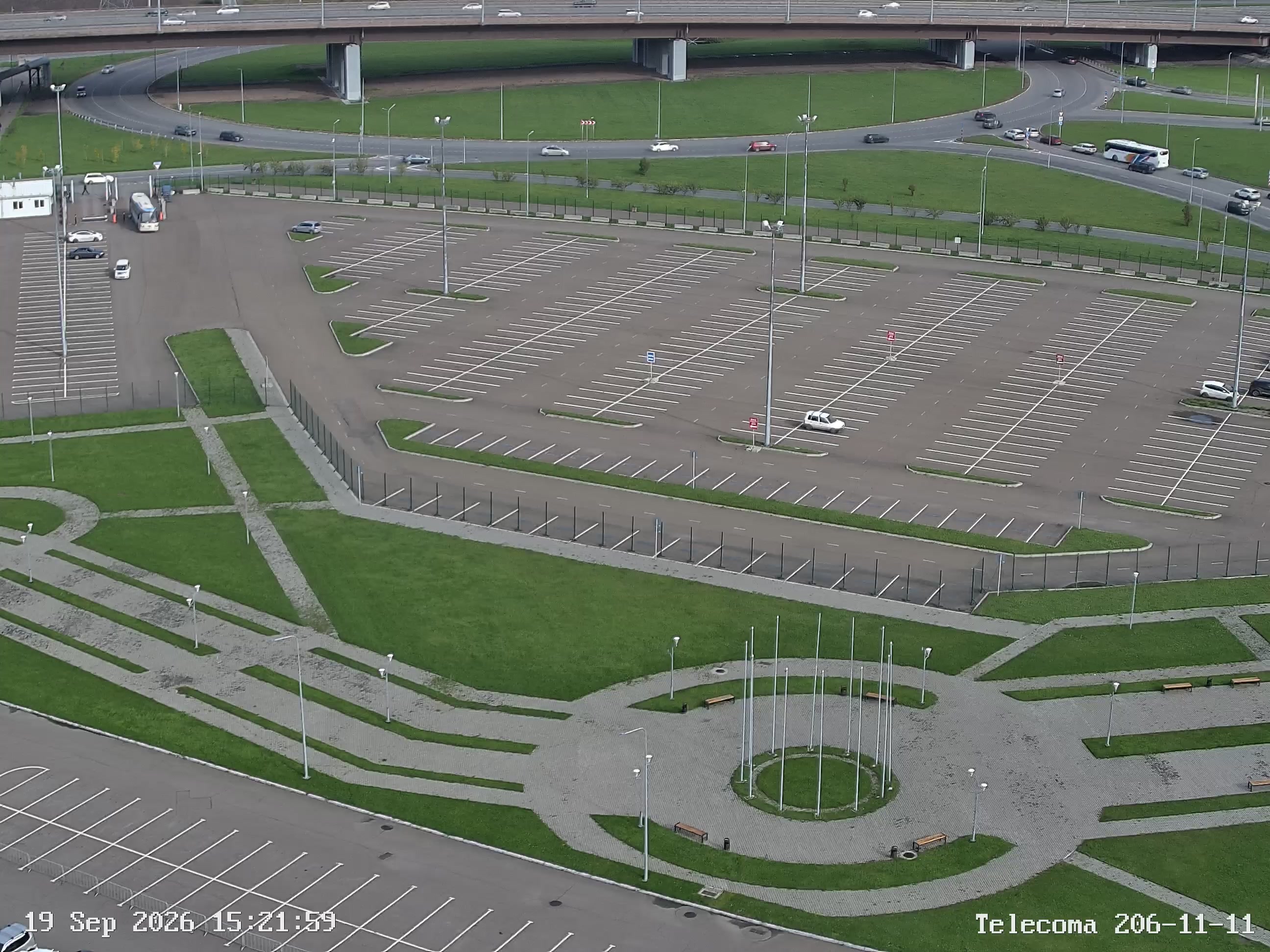
Веб-камеры Красноярска охватывают ключевые точки города и его окрестностей. Камеры на проспекте Мира и Предмостной площади транслируют жизнь центра — пешеходов, автомобили, городские мероприятия. Веб-камера Аэропорт Емельяново показывает воздушные ворота Красноярска, где принимаются рейсы со всей страны.
Камеры в Советском районе демонстрируют повседневную жизнь спальных кварталов, а веб-камеры Академгородка — научную атмосферу этого уникального района. Для тех, кто хочет увидеть природу, доступны камеры на острове Татышев и в заповеднике Столбы. Енисей веб камера показывает великую реку во всём её величии — от берега до берега.
Все веб-камеры Красноярска доступны бесплатно и без регистрации. Это удобный способ наблюдать за городом в реальном времени — планировать поездку, проверять погоду или просто наслаждаться видами сибирской столицы. Прямой эфир Красноярск — это окно в жизнь одного из самых красивых городов России, доступное каждому, кто хочет увидеть его своими глазами.