

🏙️ Веб-камеры Канны онлайн — смотреть в реальном времени
3 камер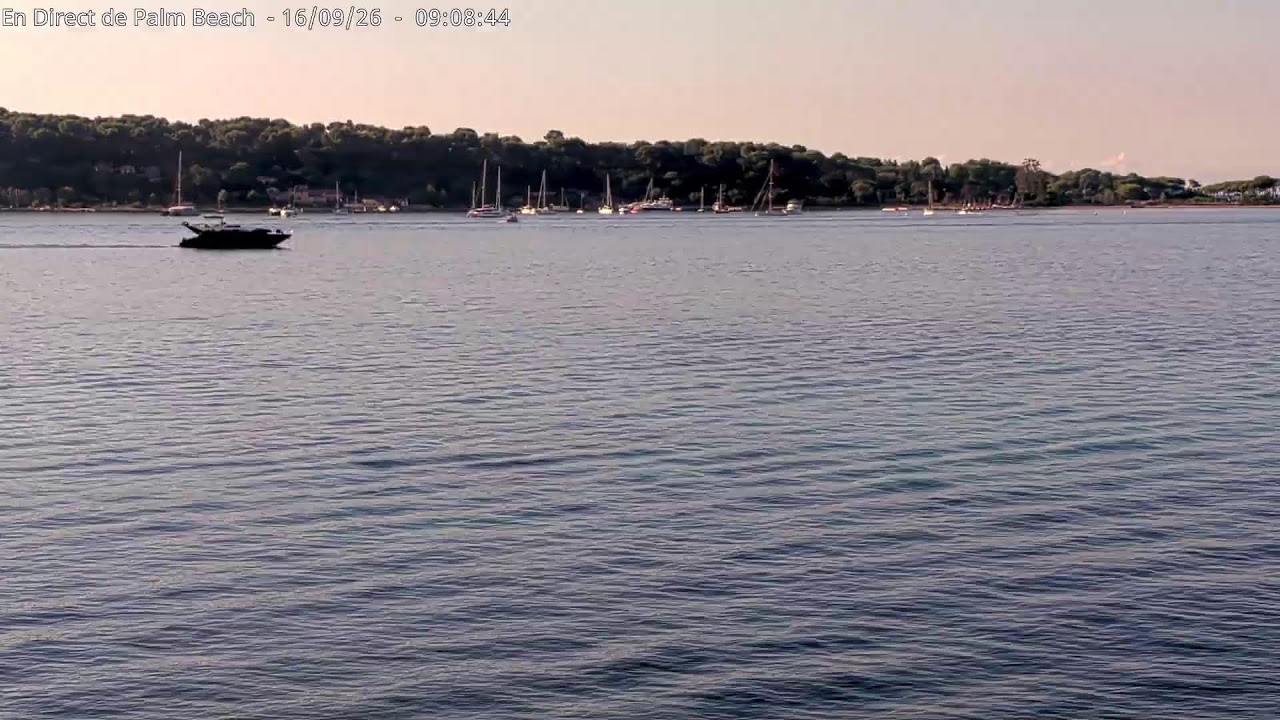


Веб-камеры Канны онлайн: виртуальный прогулок по французской жемчужине
Канны на юго-востоке Франции, на побережье Напульской бухты, стали одной из главных достопримечательностей французской Ривьеры Лазурного берега. Этот город сочетает в себе роскошь мирового кинематографа и атмосферу средневекового старта. Через веб-камеры Канны онлайн можно наблюдать за кипучей жизнью набережных, встречать курортных туристов и прикоснуться к истории, даже не покидая родной страны.
Как образовалось название города и кем были первые жители
История Канн уходит корнями вглубь веков. Первое упоминание поселения на месте современного города относится к лигурийцам, которые называли холм «каноо» — «высота». Именно от этого названия, по мнению историков, произошло имя города Канны. В далёком прошлом на этом холме стояло древнее поселение Castrum Canois. Позднее здесь появились римляне, а в раннем Средневековье монахи Леринского аббатства возвели здесь крепость и башню для защиты от пиратских набегов Ле Сюке. Сегодня в центре квартала Ле Сюке высится башня Сюке высотой 22 метра — самый яркий исторический памятник старого города Канн. Через веб-камеры можно увидеть её силуэт на фоне неба.
Две стороны туристической жемчужины Франции
Канны — это место, где история переплетается с современностью. С одной стороны, здесь сохраняется атмосфера средневекового квартала Ле Сюке с узкими улочками, старинными церквями и уютными кафе. С другой — это центральный курортный район с широкими бульварами и площадями, излучающий элегантность и роскошь. Через веб-камеры Канны онлайн можно увидеть эту удивительную динамику: от медленных прогулок туристиков по историческому центру до активной жизни на главных улицах курорта.
Кинофестиваль и красная дорожка в жизни города
История Каннского кинофестиваля начинается в конце 1930-х годов как ответ на фашистское давление на Венецианский кинофестиваль. Первый фестиваль прошёл 20 сентября 1946 года в здании городского казино Каннского кинофестиваля. История Дворца фестивалей, который стал символом этого события, началась в 1949 году с открытием первого здания, однако уже к 1979 году стало ясно, что его более не хватает для всех желающих Дворца фестивалей в Каннах. Именно здесь каждое мая проходит главный киносимвол французской культуры. Главная достопримечательность Дворца фестивалей — знаменитая красная дорожка, которая стала мировой площадкой фешн-событий красная дорожка Канн. Раньше фестивали проводились в сентябре, но с 1952 года это стало одним из самых ярких майских событий года кстати, в мае. Увидеть начало красной дорожки через веб-камеру Канны онлайн — значит прикоснуться к мировому кино.
Остров Сент-Маргерит и легенда о Железной маске
Каннская атмосфера овеяна множеством легенд. Одной из самых известных является история о Острове Сент-Маргерит. Это крупнейший из Леринских островов, расположенный на расстоянии менее километра от Канн. Длина острова с востока на запад — около 3 км, ширина — 900 м Сент-Маргерит. Главная достопримечательность острова — крепость Форт Рояль, где, по легенде, содержался узник, известный как «Железная маска» Остров Сент-Маргерит. История острова уходит в глубину веков — первые упоминания относятся к Древнему Риму, когда он носил название Леро Остров Сент-Маргерит. Теперь можно наблюдать за береговой линией и морской жизнью острова через веб-камеру Канны онлайн.
Набережная Круазетт, кур-Але и Дворец фестивалей — основные точки для наблюдения
Набережная Круазетт, кур-Але и порт Канн — это главные attractions города, которые отлично заметны через веб-камеры. Набережная Круазетт — это широкая аркада с пальмовыми рядами, откуда открываются виды на Лазурное море. Кур-Але — это старинный район с элегантными виллами и парками. Порт Канн — это центр туристической активности с причалами, яхтами и кафе. Дворец фестивалей с красной дорожкой на переднем плане — символ успеха и славы, который нельзя пропустить в любом онлайн-просмотре. Через веб-камеры Канны онлайн можно поймать удачный кадр с яхтами в порту или историческими зданиями на набережной.
Культурные и природные места для онлайн-наблюдения
Канны — это город с богатым культурным наследием и живописной природой. Здесь находятся важные места для туристического визита: Дворец фестивалей и Красная дорожка, Дромодарский храм, базилика Сан-Мишель, старинная архитектура в Ле Сюке, крепость Форт-Рояль, остров Сент-Маргерит, бульвары и площади, дом-музей Фернандо Леги и Леринские острова. Через веб-камеры Канны онлайн можно увидеть Дворец фестивалей, Красную дорожку, набережную Круазетт, кур-Але, Порт, бульвары и площади, дом-музей Фернандо Леги и Леринские острова. Гулять по городу онлайн через веб-камеры — значит наблюдать за культурным и природным разнообразием города в реальном времени.
Какие камеры показывают город
На этой странице собраны основные точки наблюдения за Каннами. Через веб-камеры Канны онлайн можно следить за центральной набережной, Красной дорожкой, Дворцом фестивалей, портом и Кур-Але. Большинство камер расположены на видовых площадках и дают панорамные виды на Лазурное море. Этот город живёт с раннего утра до поздней ночи, поэтому онлайн-просмотр через веб-камеры даёт уникальную возможность увидеть атмосферу города в любой момент: с пляжами, яхтами и туристами или с историческими зданиями и уютными кафе. Чтобы узнать больше о Каннах, просмотрите через веб-камеру различные локации города и насладитесь атмосферой французской Ривьеры в прямом эфире.