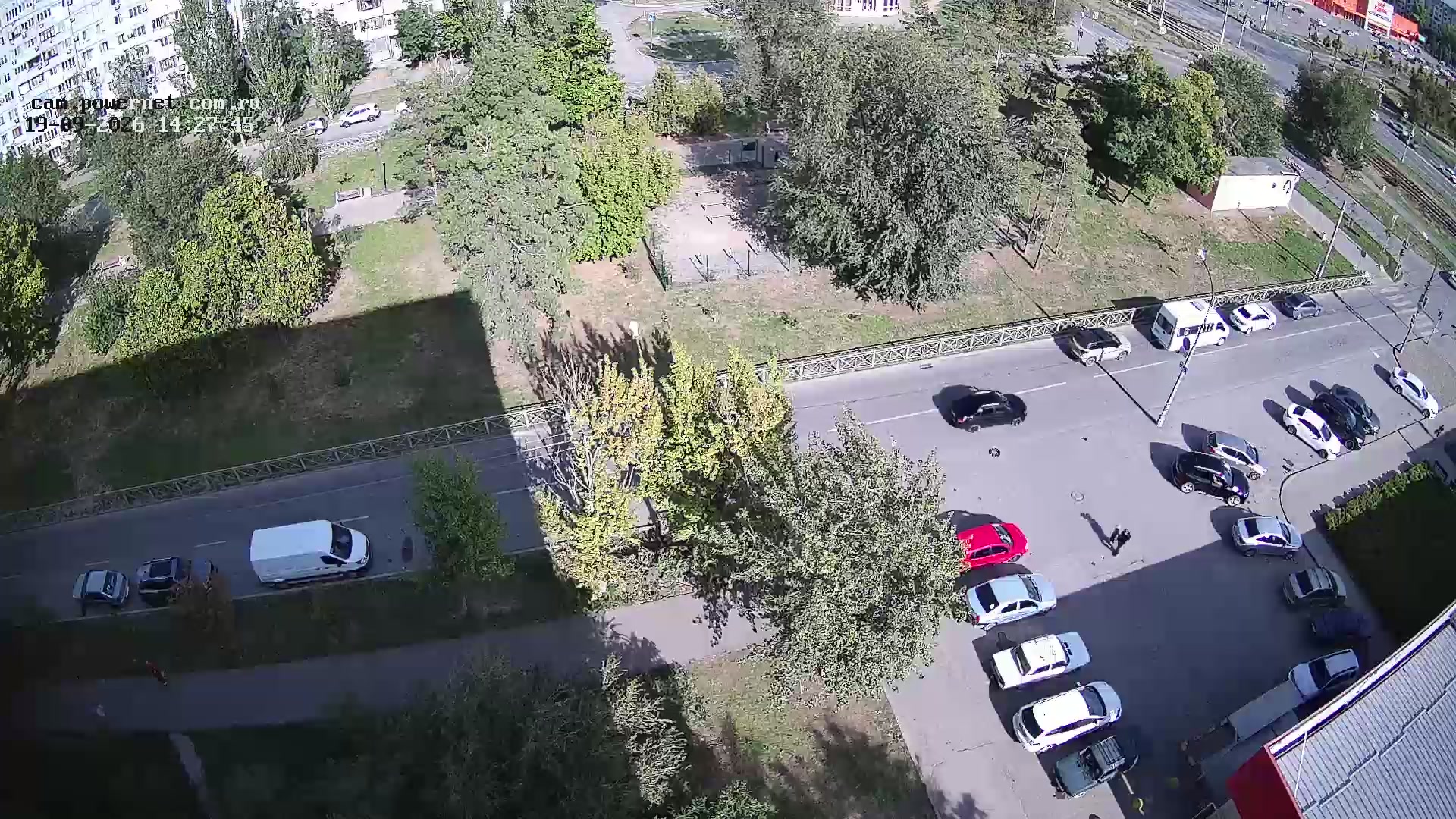
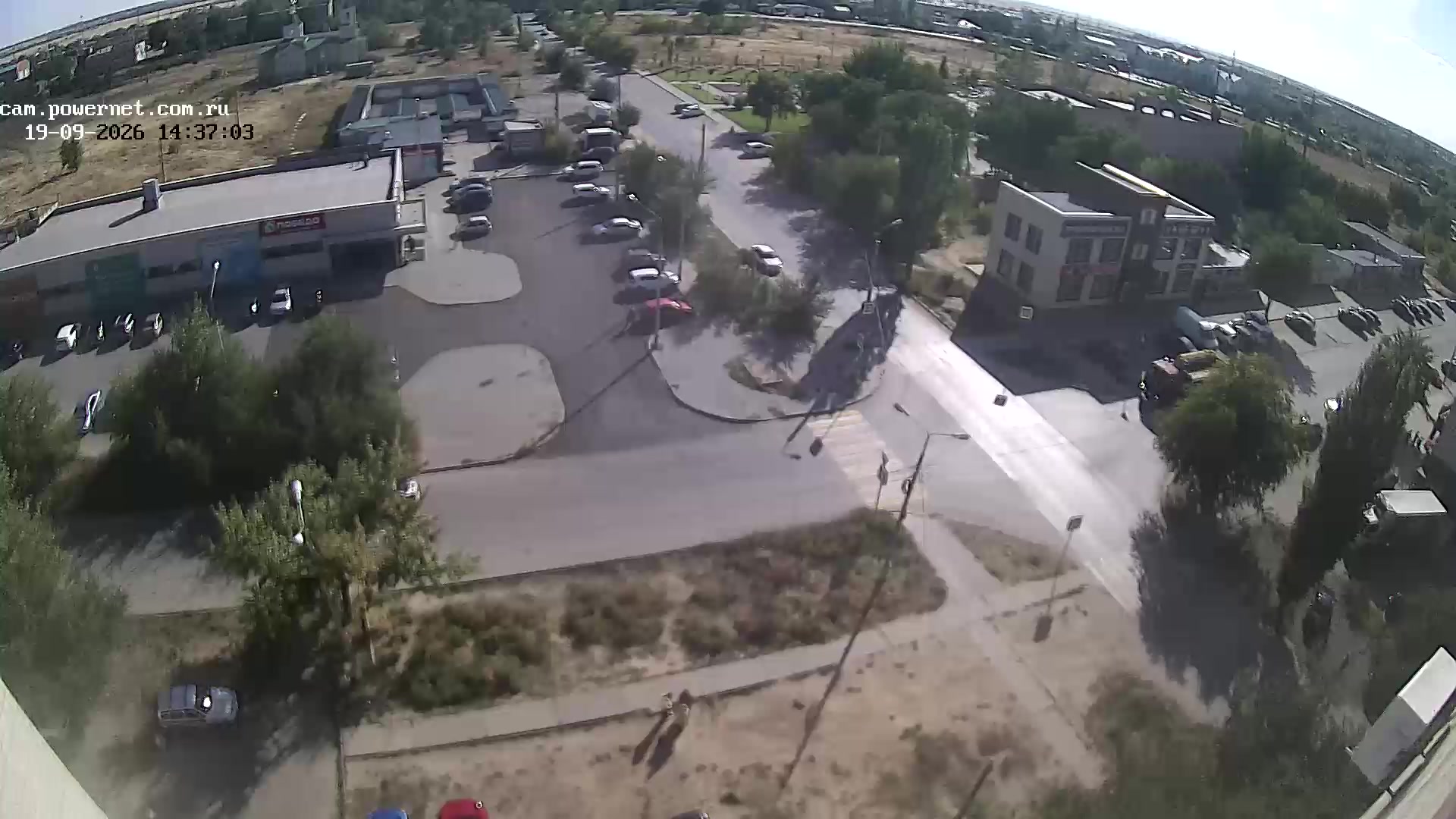
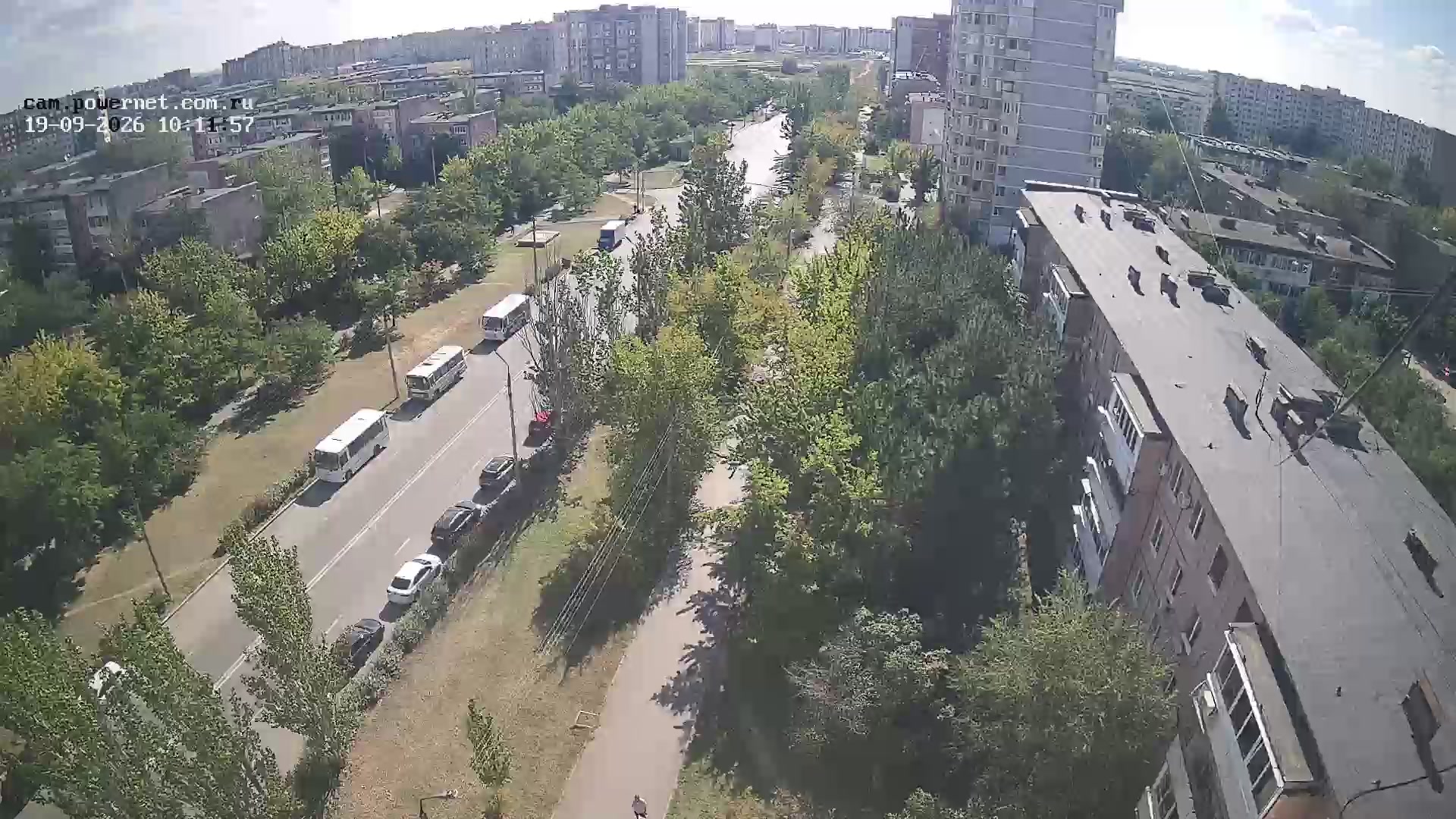
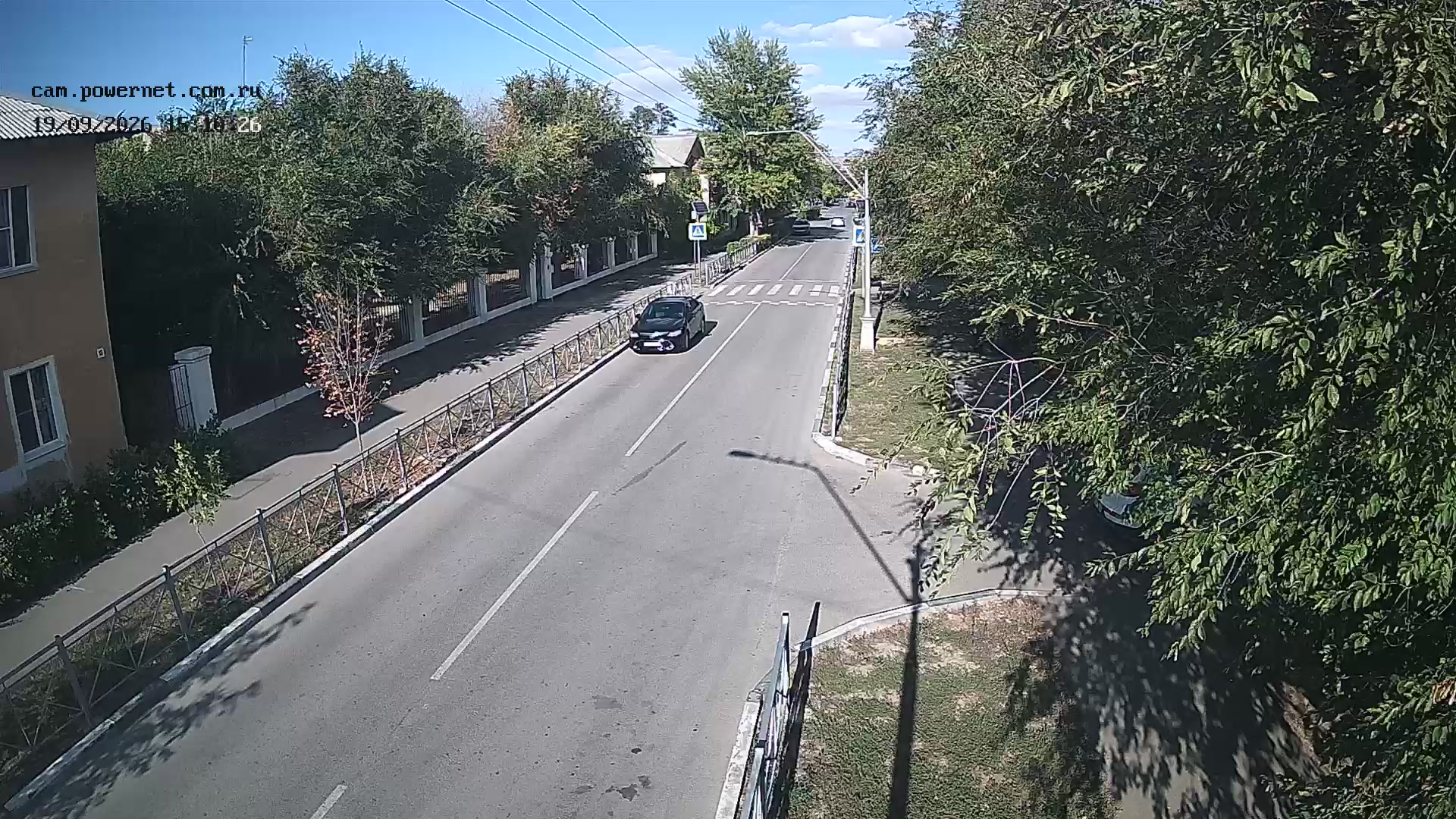
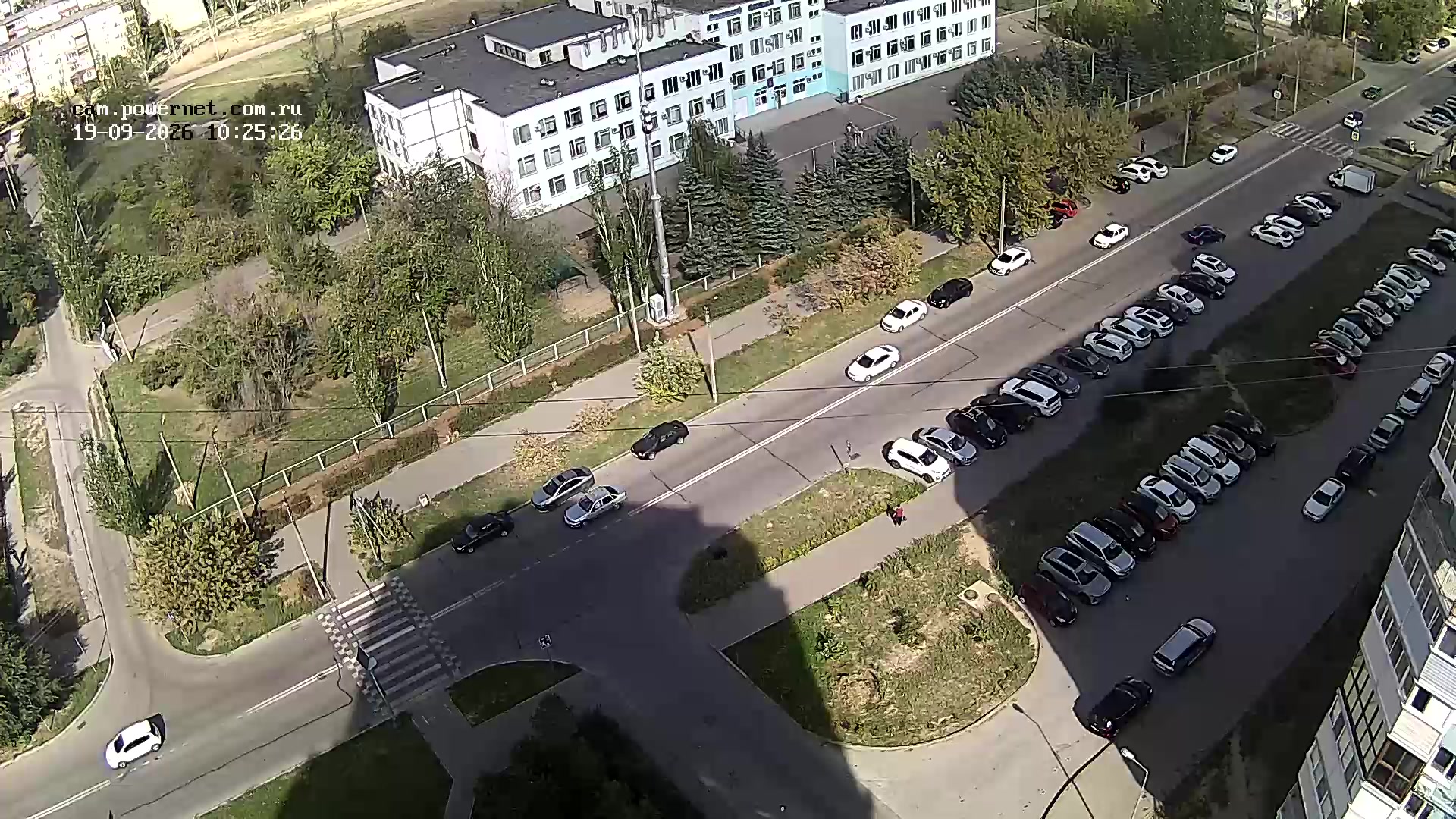
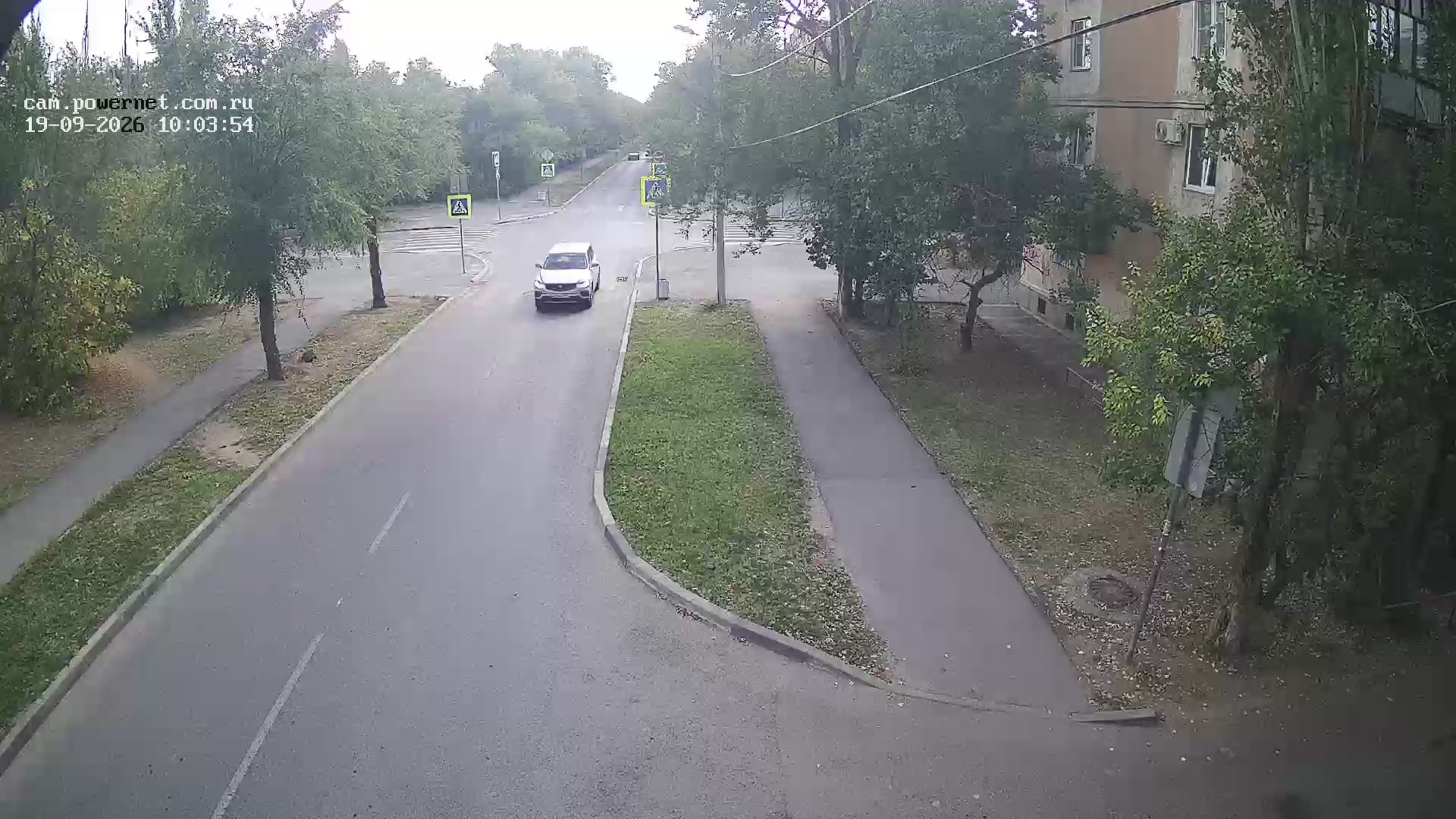
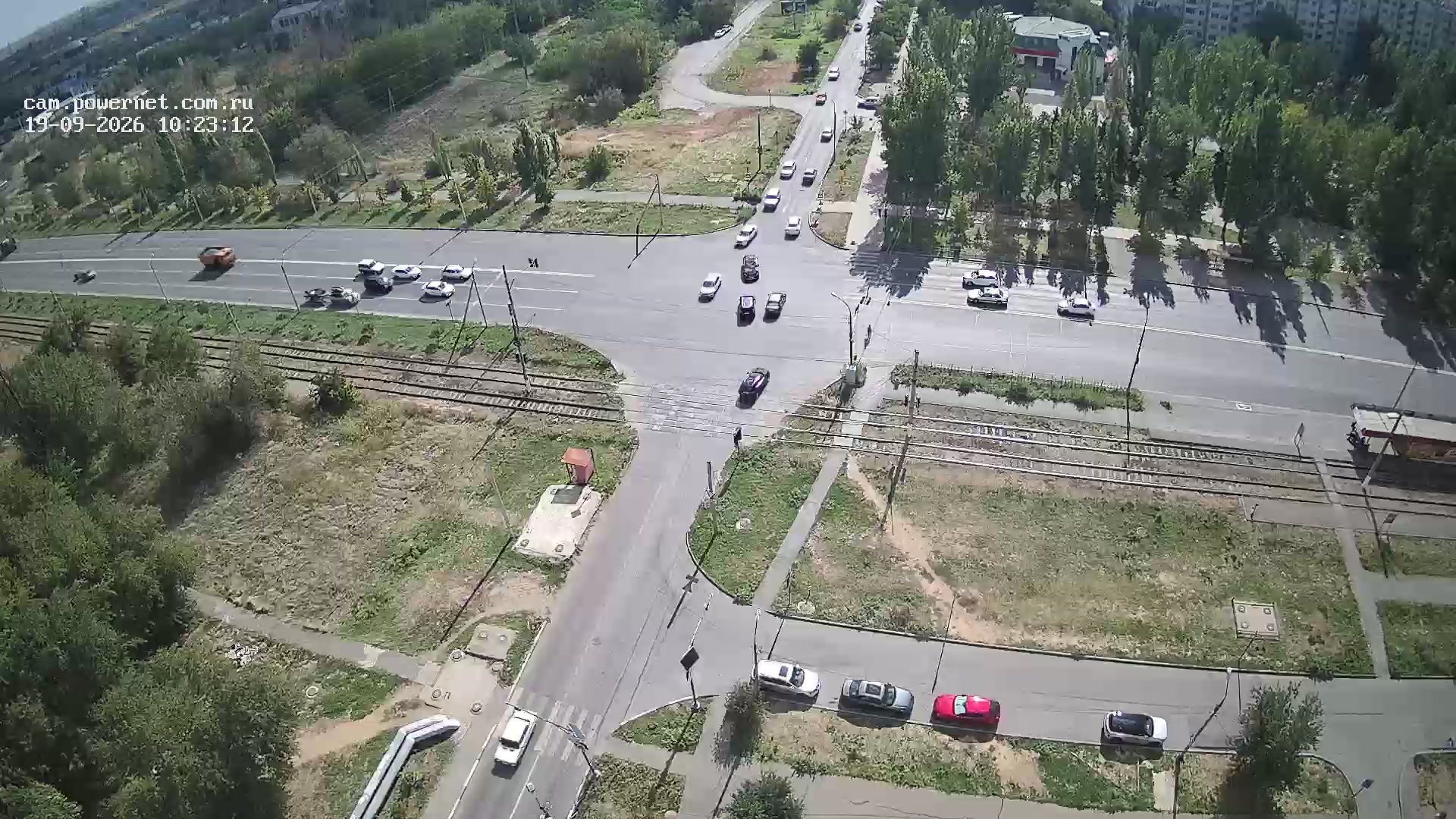
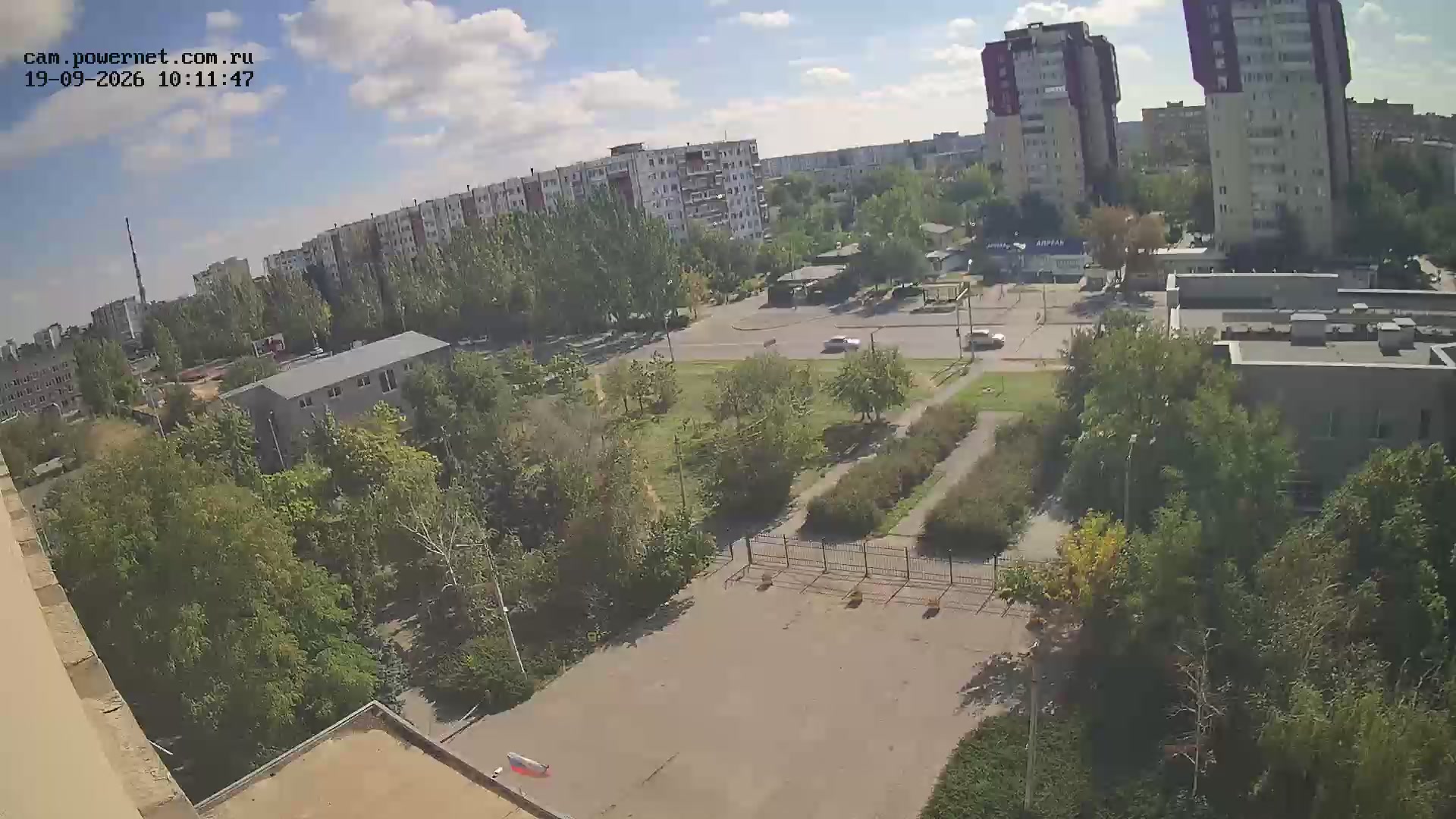
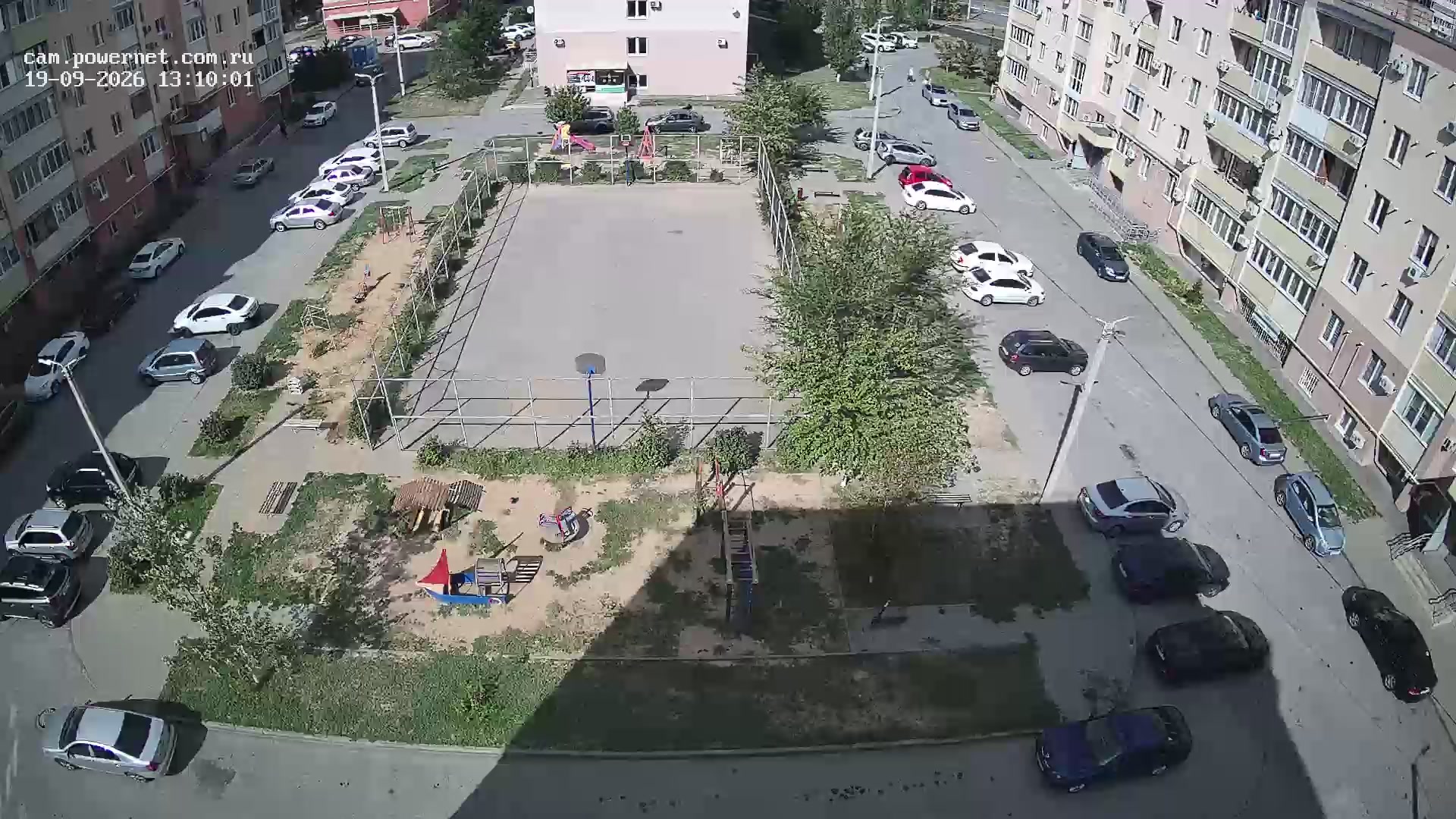
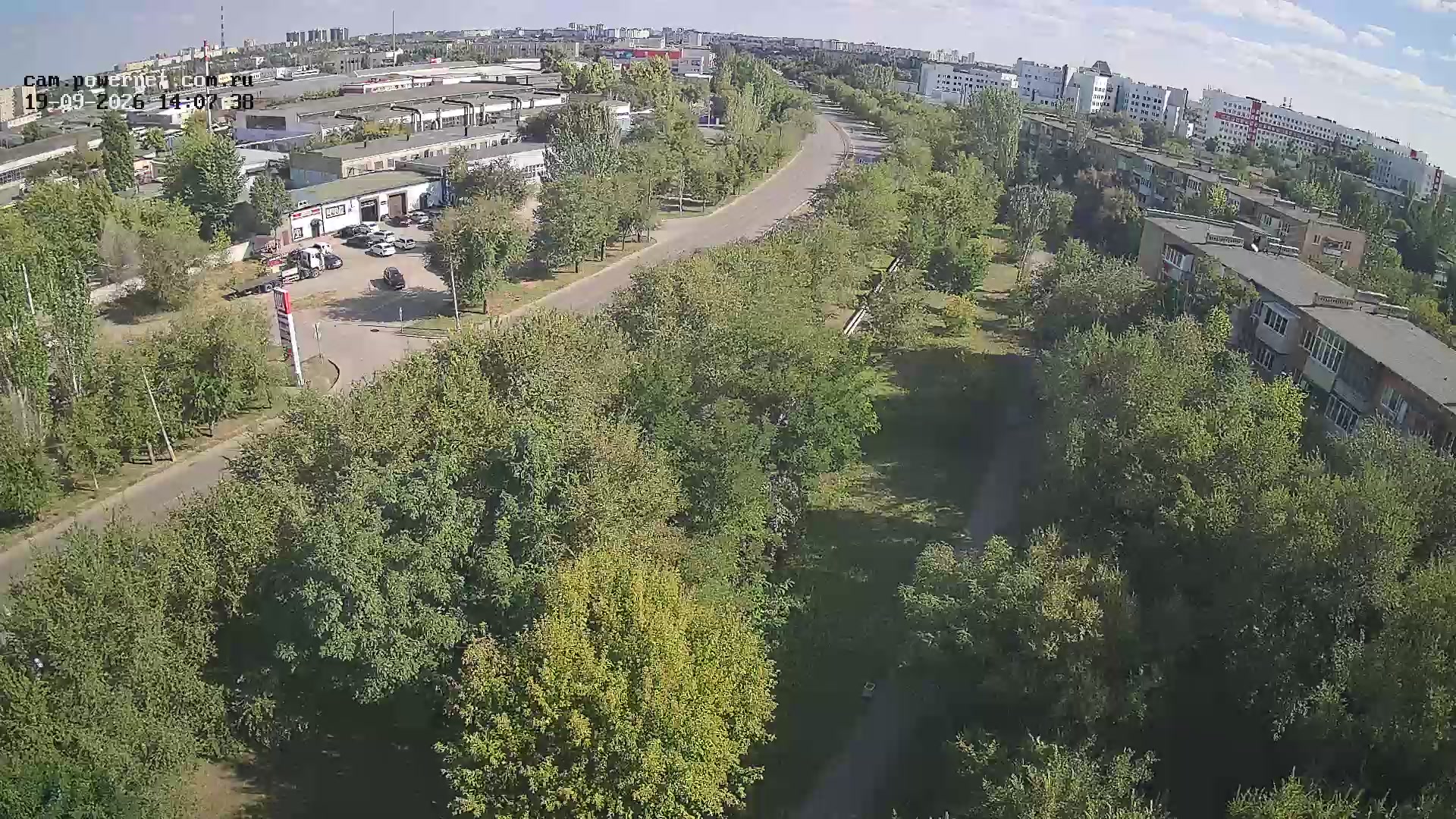
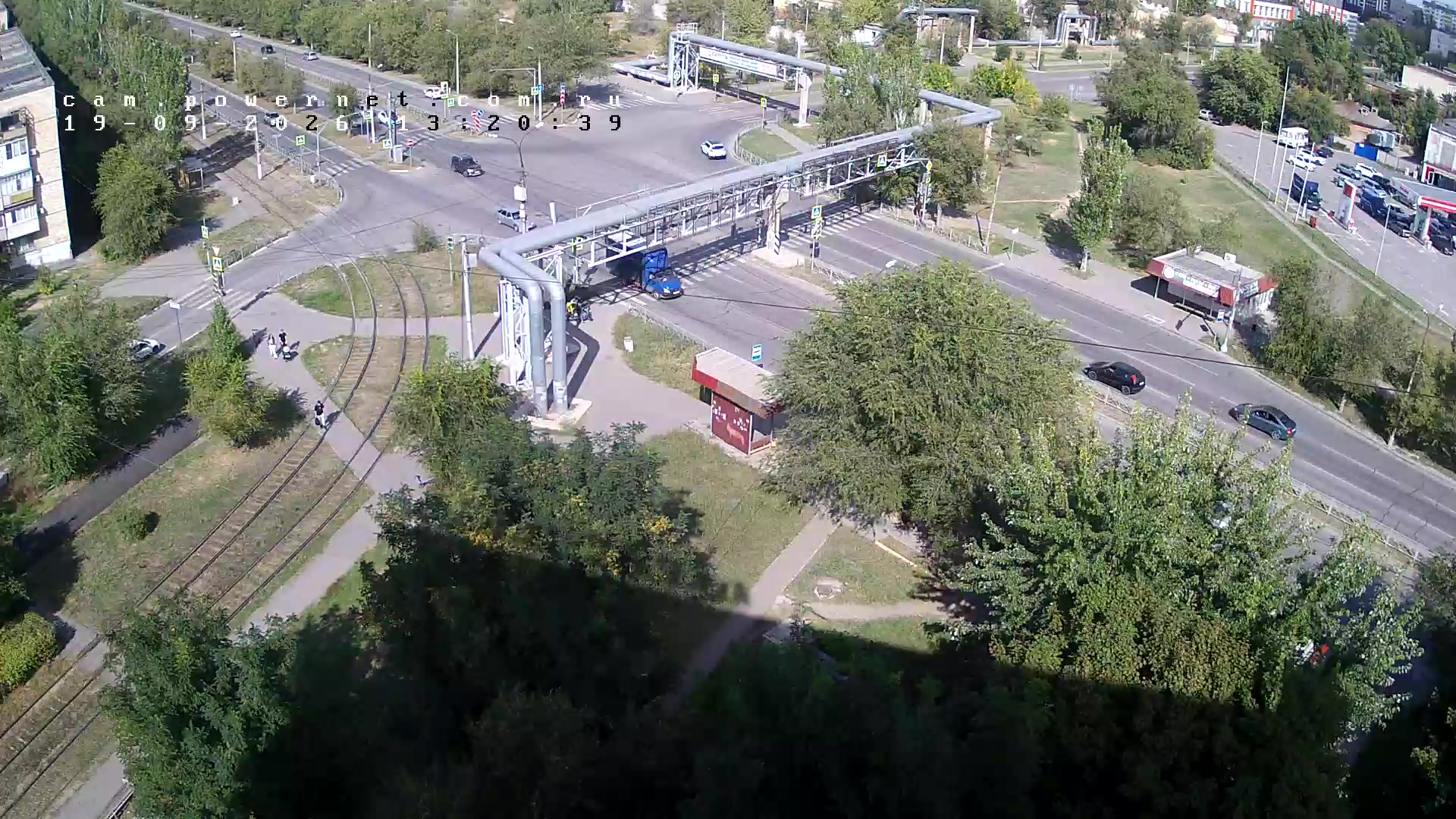
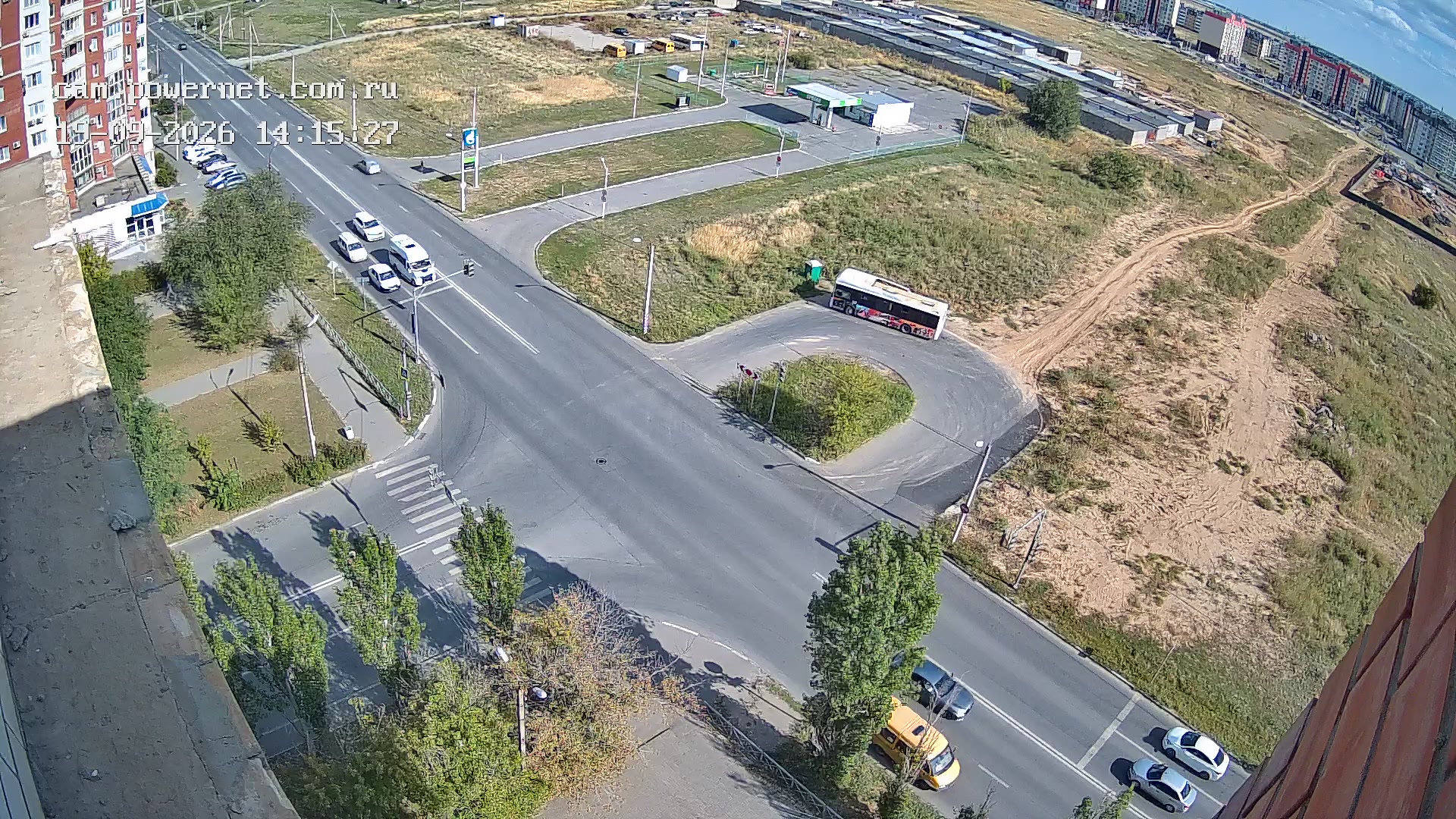
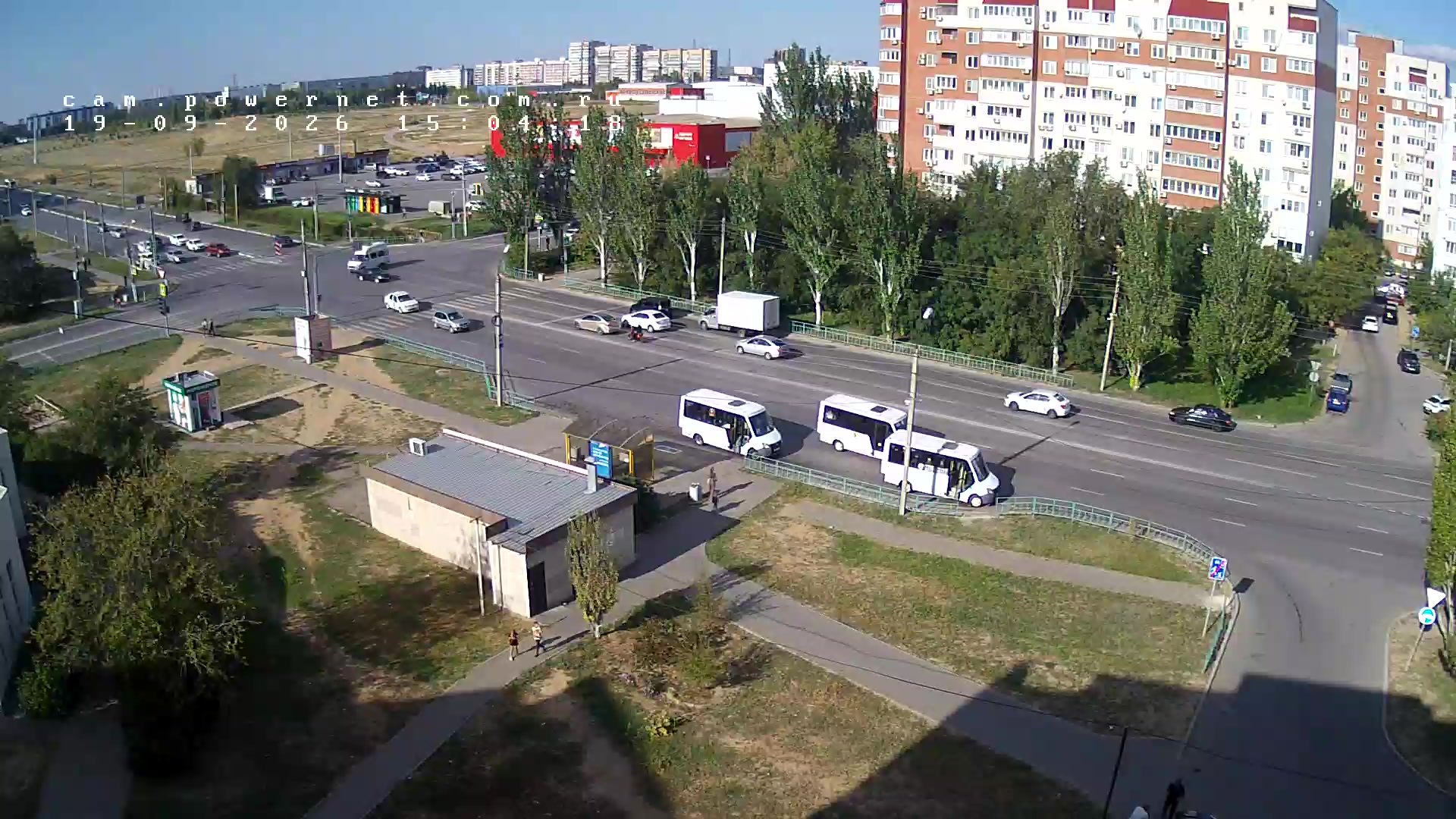
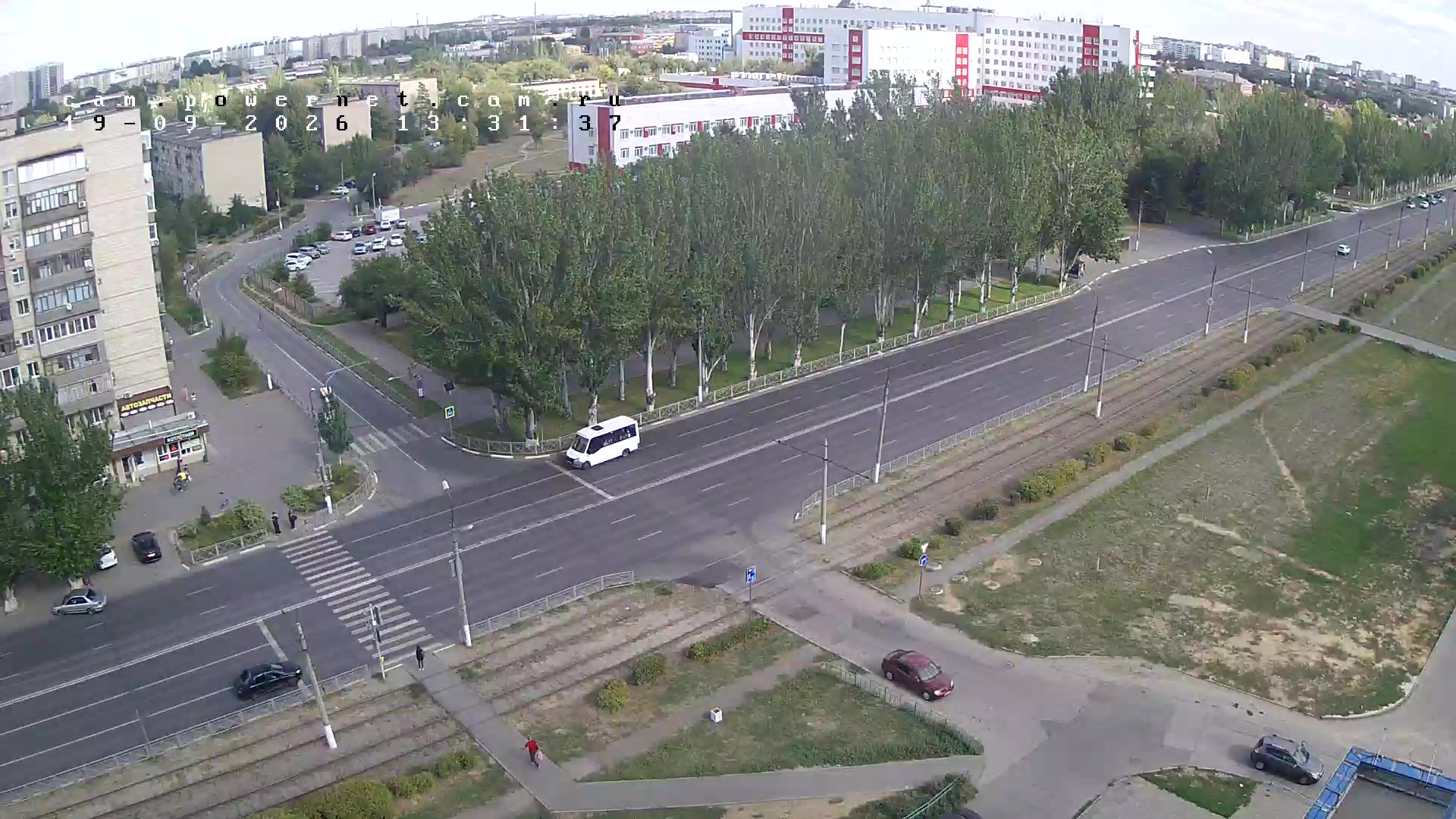
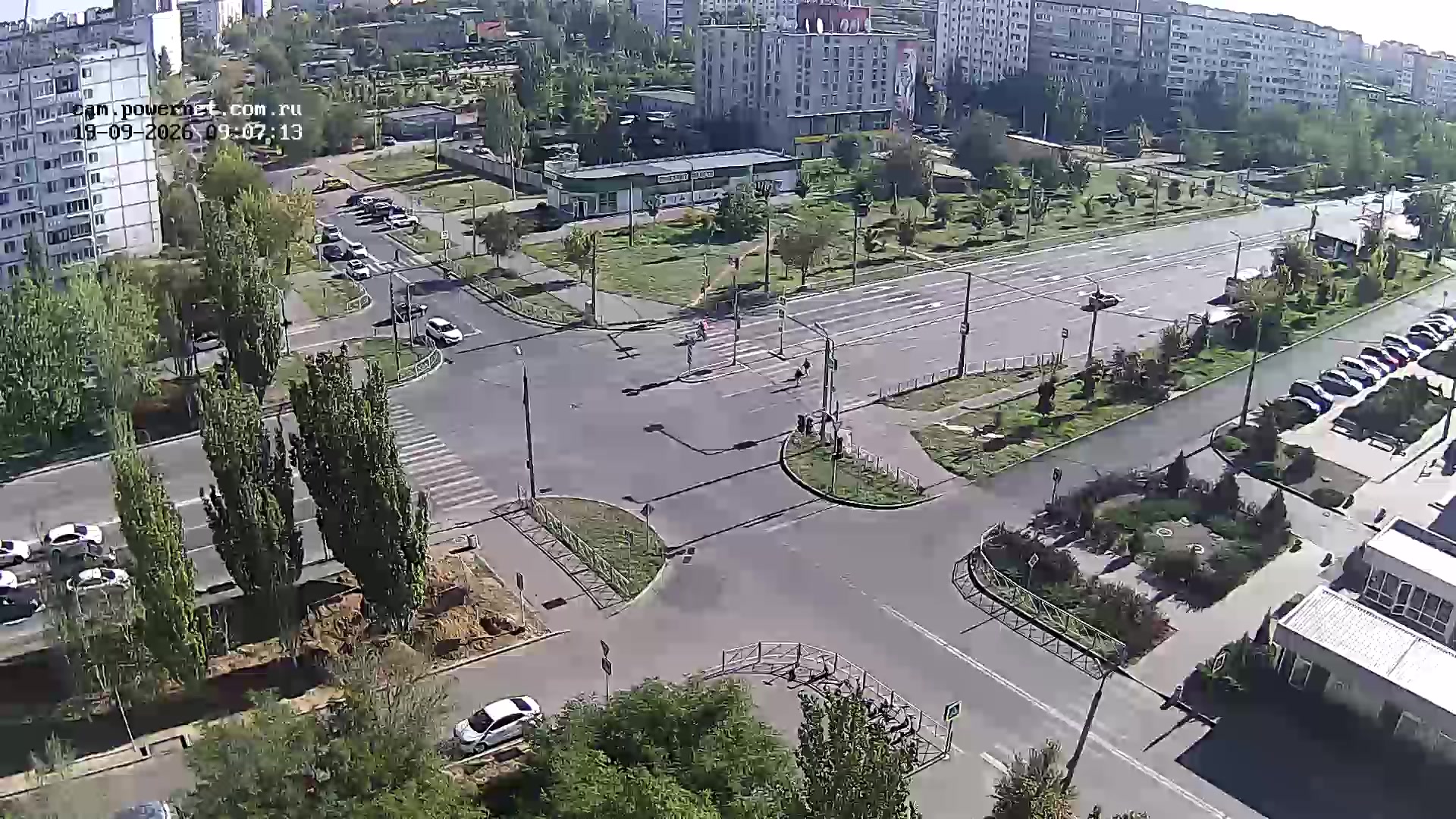
🏙️ Webcams Volzhsky Online — Watch the City in Real Time
1 대의 카메라City History: From Steppe Grasslands to Industrial Giant
Half a century ago, the site of modern Volzhsky was an uninhabited steppe with vast expanses of feather grass. Everything changed in 1950, when the USSR Council of Ministers passed a resolution to build the Volga Hydroelectric Station. Preparatory work began as early as late 1950, and by 1952 a giant pit had been dug: about a kilometer long, nearly 500 meters wide, and 40 meters deep. The builders' settlement was named Volzhsky in 1952, and in 1954 it officially became a city. Interestingly, other name options were considered — for example, "Stalinsk-on-the-Volga" — but ultimately the original name was kept.
Today, Volzhsky is one of the largest cities in the Volgograd Region, with a population of over 300,000 people. It is a city with wide avenues, unusual layout, and a unique atmosphere where Soviet monumentality meets modern industry. If you want to see the city in detail, Volzhsky webcams online allow you to view its avenues and embankments in real time.
Volga HPP: The Heart of the City and Europe's Largest Power Station
The Volga Hydroelectric Station is the main landmark and the city-forming enterprise. It is the largest hydroelectric power station in Europe with a capacity of 2,608–2,671 MW, featuring 22 hydroelectric units that generate about 12 billion kWh of electricity annually. The construction was a true feat: 145.2 million cubic meters of earthworks were completed, 5.47 million cubic meters of concrete were poured, and 79,300 tons of metal structures were installed. The mechanization level reached 97–100% — an unprecedented figure for that time.
The 44-meter-high dam formed the Volgograd Reservoir — the so-called "sea" with an area of about 3,117 km², a length of 540 kilometers, and a depth of 41 meters near the dam. A highway and a railway run across the dam, making it a crucial transport artery of the region. In December 1958, the first hydroelectric unit was launched — record time by world standards, and the official opening took place in 1961 in the presence of Nikita Khrushchev.
The construction of the HPP served as a testing ground for unique technologies: for the first time in the USSR, the possibility of building large hydroelectric complexes on non-rock foundations was justified, vibration machines, hydro-vibro drilling of wells, and large-block expanded-clay concrete were used. The turbine hall is entirely made of precast reinforced concrete, and a unique cable car across the Volga was built to deliver materials. The station paid for itself by 1967, and the cost of electricity turned out to be 9 times lower than at thermal power plants.
Volga-Don Canal and the "Venice of the Volga"
Volzhsky is often called the "Venice of the Volga" — and for good reason. The city is located on the eastern bank of the Volga at the point where the two great rivers come closest to each other, and the Volga-Don Canal runs through its territory. The canal has 13 locks: 9 on the Volga slope with a lift of 88 meters and 4 on the Don slope with a lift of 44.5 meters. The canal includes the Varvarovskoye, Bereslavskoye, and Karpovskoye reservoirs, forming an extensive waterway system.
The network of canals and numerous bridges truly resembles Venetian landscapes, especially when viewed from above. In 2017, the first phase of a large-scale modernization of the hydroelectric complex was completed, which increased the canal's throughput capacity and improved navigation conditions. Today, thousands of vessels pass through the locks every year, and the canal remains one of the most important waterways in Russia, connecting the basins of the Caspian, Black, and Mediterranean Seas.
Industrial Giant: From Chemical Fiber to Unique Reagents
Volzhsky is one of the largest industrial centers in southern Russia. It hosts enterprises that have no analogues in the country. JSC Volzhsky Orgsintez is the only producer of potassium butyl xanthogenate in Russia, a reagent for mineral processing that has been in demand since the 1980s. In 2025–2026, it is planned to double the production capacity of this unique product to 50,000 tons per year.
Sibur-Volzhsky is the largest chemical fiber production center in Europe. The Volzhsky Pipe Plant produces steel pipes and glass lubricants of national significance. The Kauchuk plant produces high-octane gasoline additives, and the bus plant produces the famous Volzhany buses. The city also hosts a branch of the Coca-Cola company and a brewery. And the local "Leshch Volzhsky" has been nominated for the "Tastes of Russia" regional brands competition — this is fish products from LLC Rybny Dvor, which has become a true calling card of the city.
Volga-Akhtuba Floodplain: Kingdom of Birds and Lotuses
The natural wealth of Volzhsky is breathtaking. The Volga-Akhtuba Floodplain is home to over 200 bird species, about 800 plant species, and 80 fish species. It is one of the oldest migratory routes for birds from Siberia and the northern part of European Russia. Every sixth species of wetland bird here is listed in the Red Book, and 4 species are included in the IUCN Red List.
The symbol of these places is the white-tailed eagle, a large predator with a wingspan of up to two meters. The floodplain is also home to the European bee-eater, European roller, hoopoe, common kingfisher, and Eurasian thick-knee. Among plants, the nut-bearing lotus holds a special place — the "king of water bodies," blooming in July-August with an aroma reminiscent of almonds. In total, about 9,000 insect species, 32 rodent species, and 5 reptile species have been recorded in the floodplain, including the European pond turtle and the sand lizard.
The floodplain is located at the junction of two natural-biotic complexes: the Caspian semi-desert and the Ural-Emba region, creating a unique diversity of landscapes. For nature lovers, Volzhsky webcams online offer a chance to see the city's embankments and green zones, where steppe expanses meet water expanses.
Secrets and Legends: Underground Tunnels and Double Numbering
Volzhsky has its own mysteries that give the city a special flavor. One of the most unusual features is the double numbering of houses. The city uses a system where houses are designated simultaneously by microdistrict and by street. On Pushkin Street stands a unique house with double apartment numbering, and at street intersections you can find triple numbers. At the same time, mail always reaches the recipient regardless of the indicated option, and only the official street address appears in passports.
According to longtime residents, there is a network of underground tunnels beneath the city, created during the construction of the HPP. Bricked-up entrances have been seen in the basements of old houses on Pushkin Street, and legends tell of a secret bunker for party leadership, built in case of nuclear war. A bunker was indeed built at the engineers' estate that could serve as a shelter. Urban explorers have repeatedly tried to find these underground structures, but no evidence has yet been discovered.
On the territory of the former settlement of hydro-constructors stands an old water tower, associated with a dark legend. Locals tell of a ghost of an engineer in an old-fashioned suit, appearing at midnight on the upper level. According to legend, this is the spirit of the chief construction engineer who died under mysterious circumstances in 1954. Guards have repeatedly reported strange lights in the windows of the abandoned structure, and a missing construction engineer is indeed listed in the archives.
A Cosmic Gift and Other Amazing Facts
In 1975, Volzhsky became the site of a historic meeting. After the Soyuz-Apollo mission, cosmonauts and astronauts from the USSR and the USA visited the city and presented it with a photograph taken from orbit. From above, Volzhsky looks like a large, friendly open palm — a symbol of hospitality and openness. This photograph became one of the most valuable exhibits in the local museum.
During the construction of the HPP, archaeologists made an unexpected discovery — they found mammoth remains, evidence of the ancient history of these places. And the construction of the station itself played a decisive role in uniting the power systems of the Center, the Volga region, and the South, forming the Unified Power System of Russia. Interestingly, not a single city was flooded during the creation of the reservoir — unlike the originally planned Kamyshin HPP.
Today, Volzhsky continues to develop while maintaining its unique atmosphere of an energy workers' city, where wide avenues, industrial giants, and natural wealth create an unforgettable appearance. The city is worth seeing with your own eyes — or at least through a webcam lens.
Which Cameras Show the City
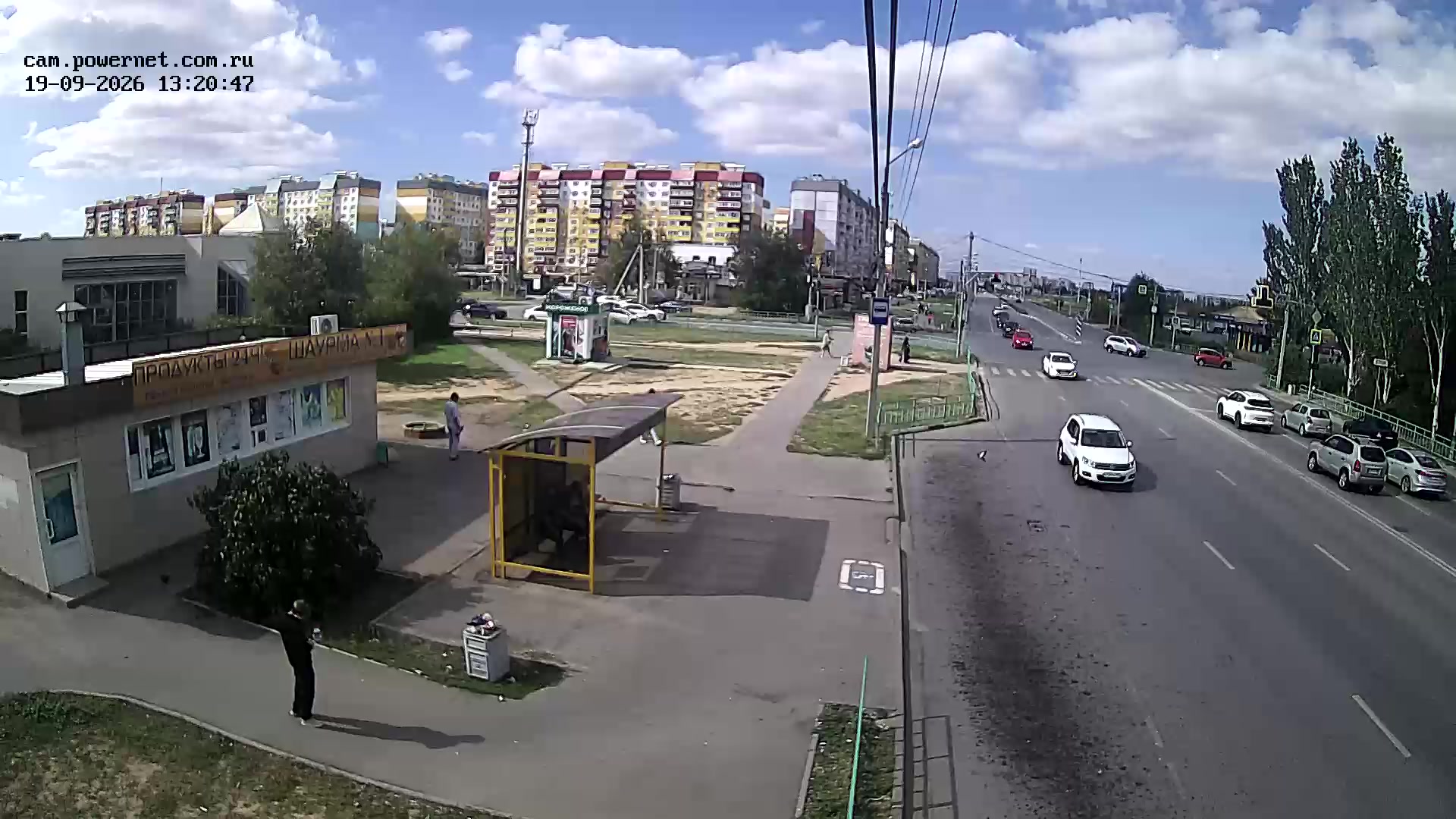
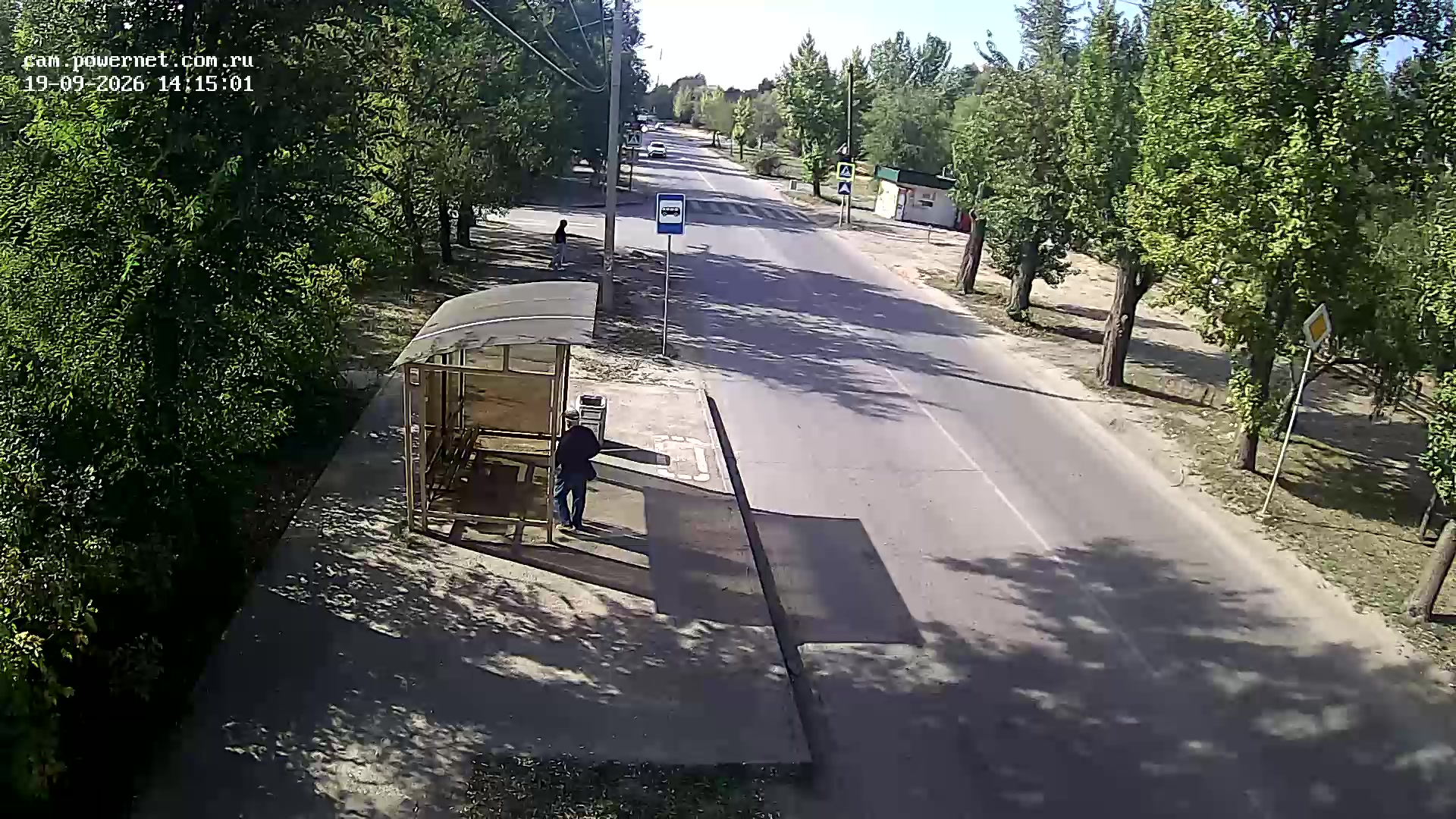
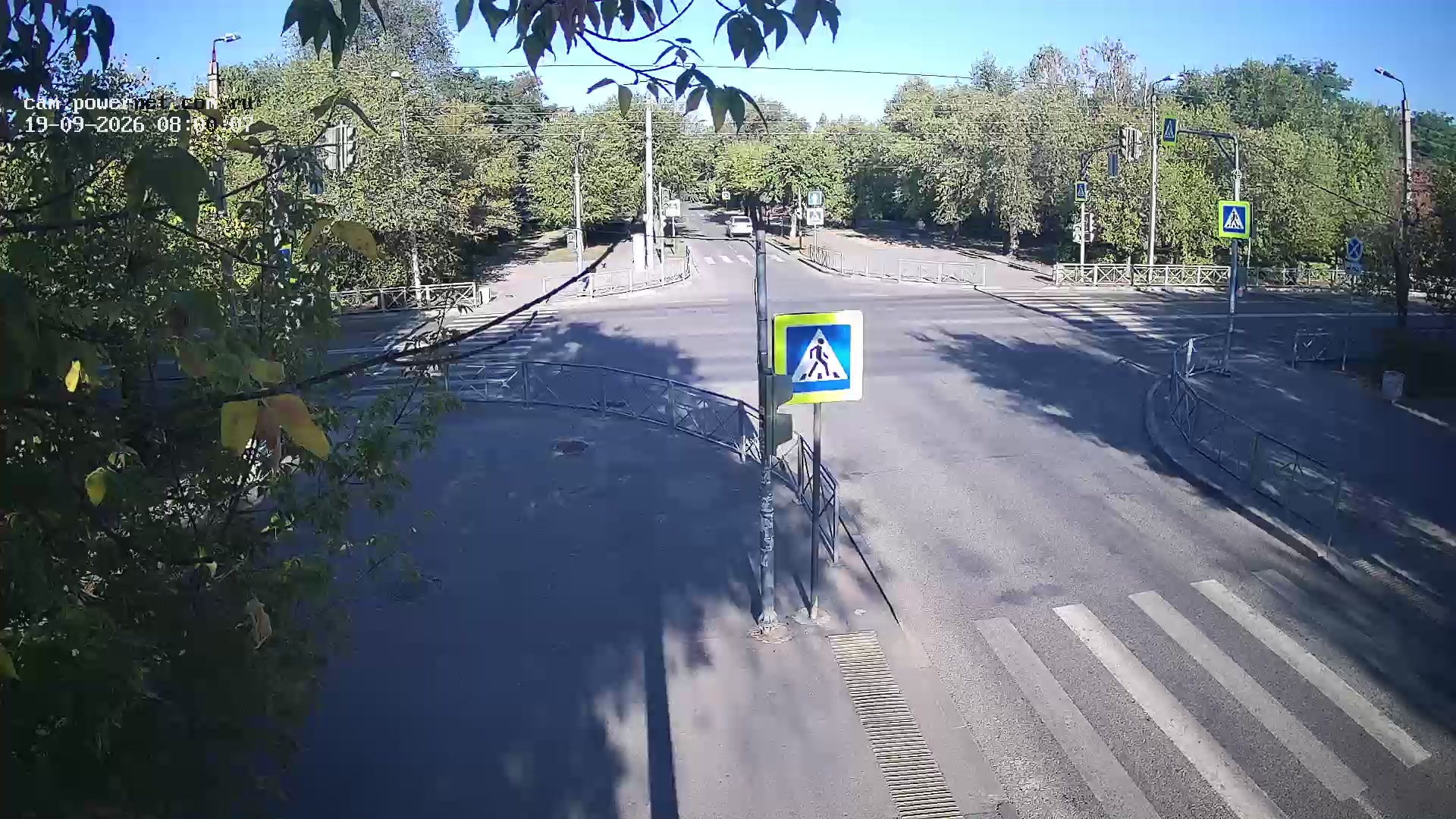
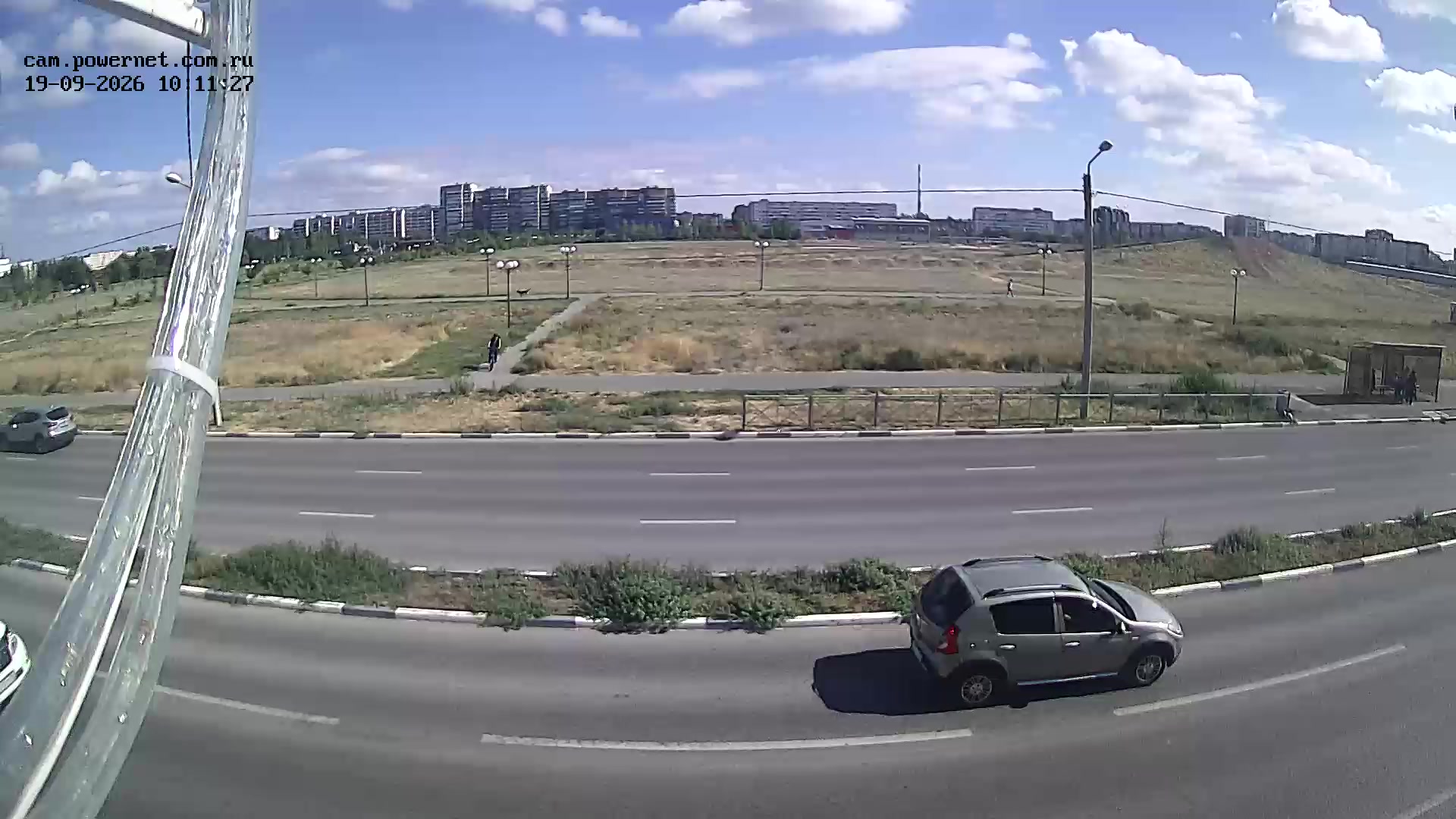
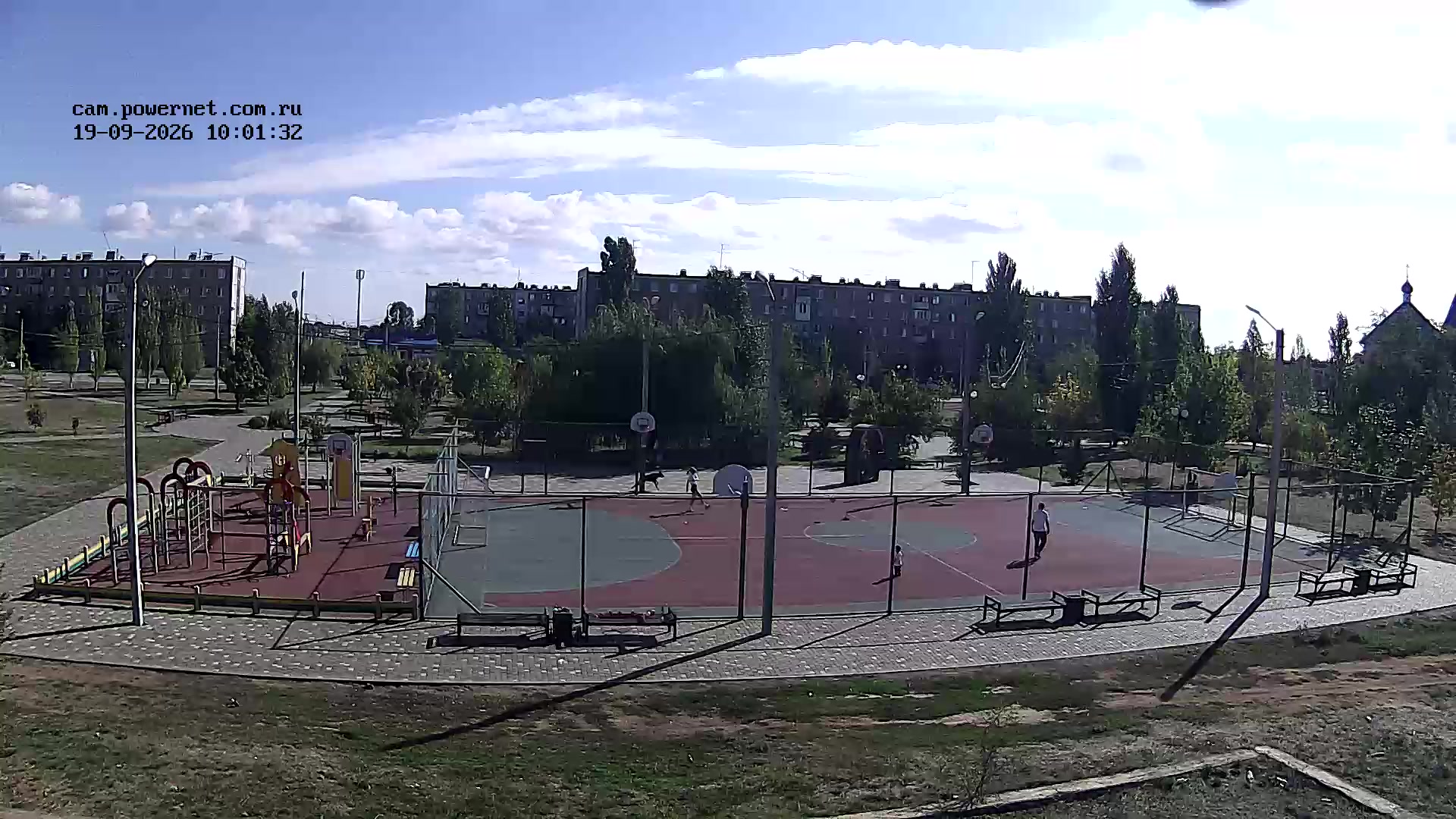
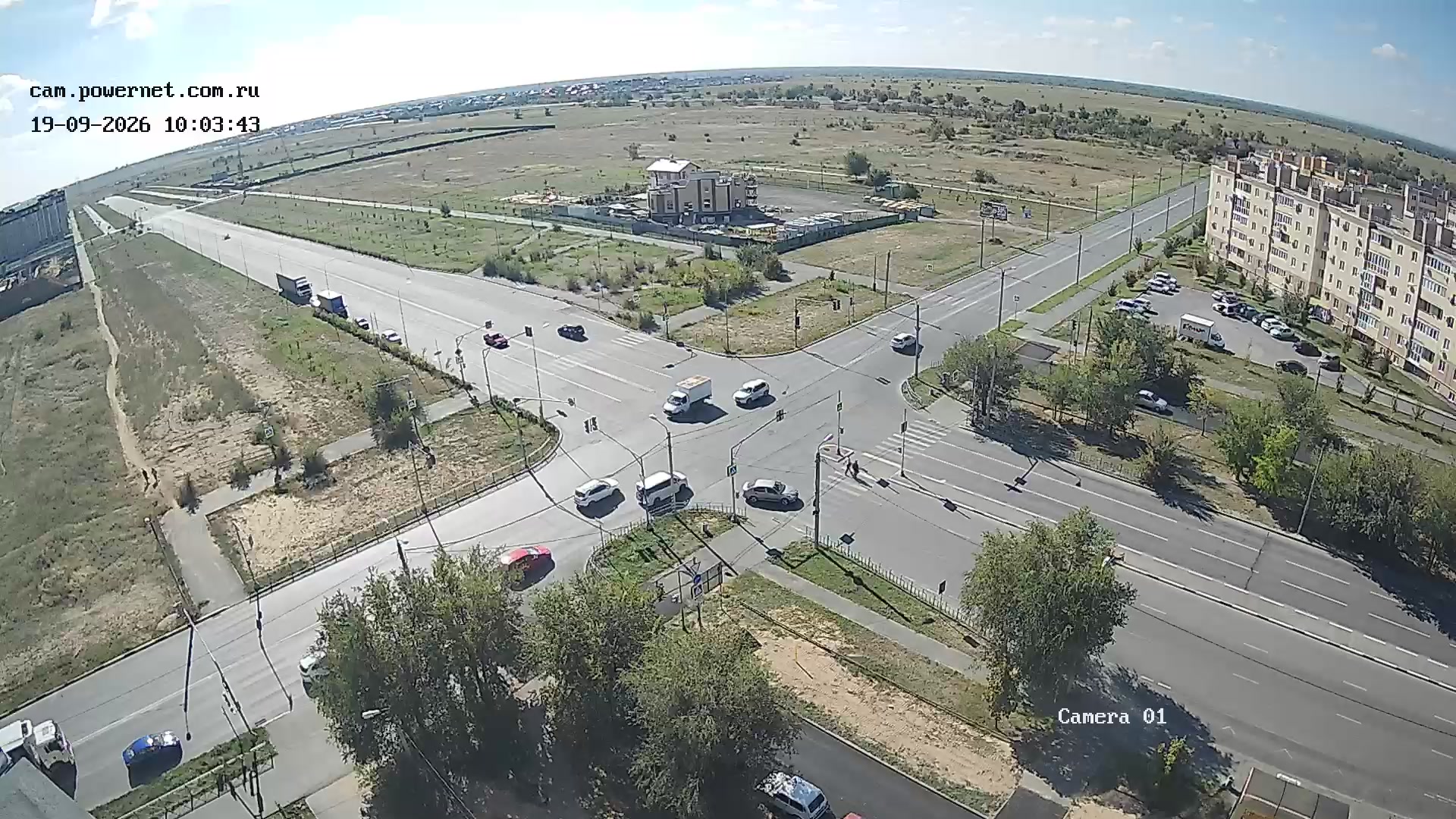
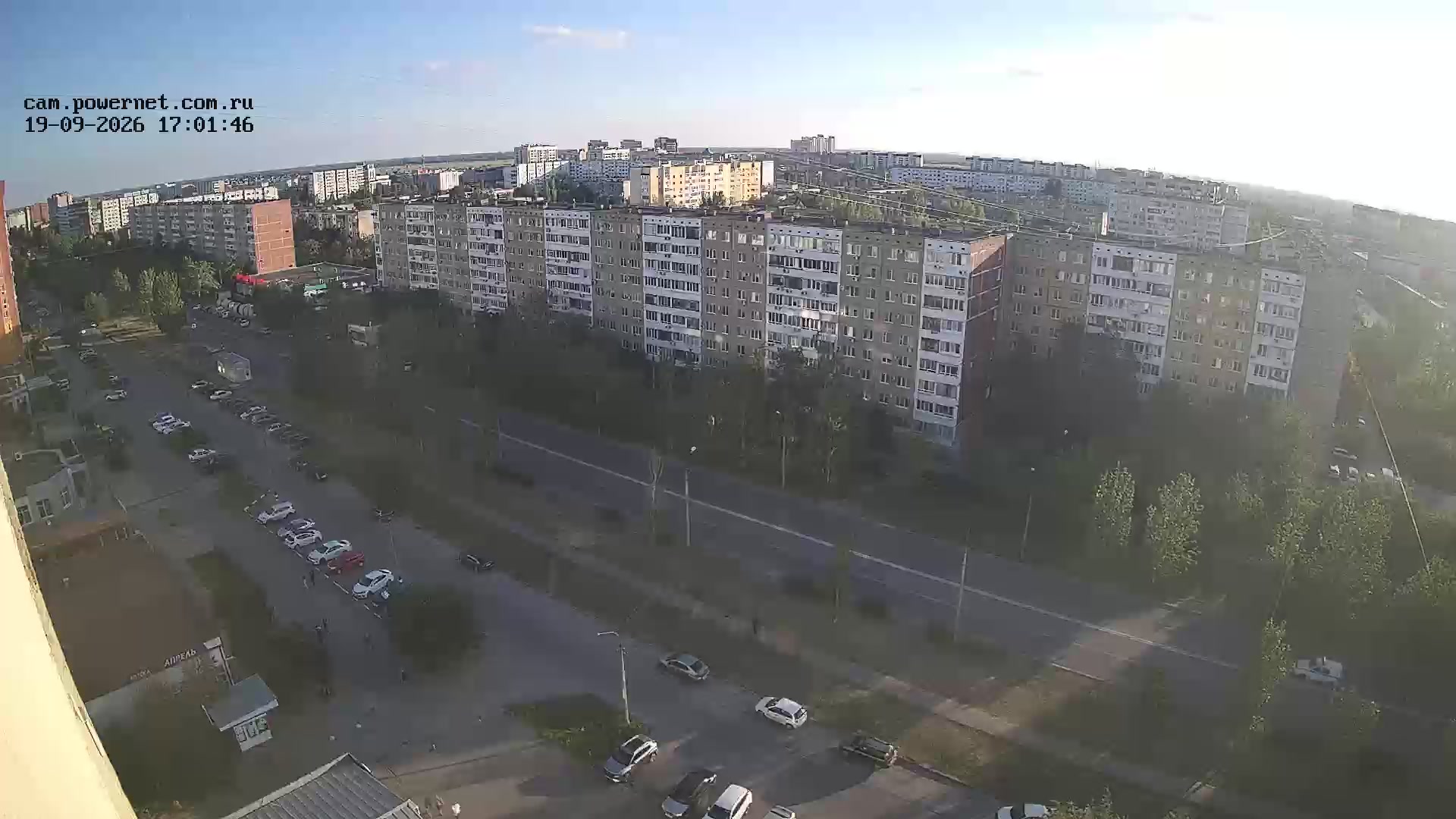
This page features all Volzhsky webcams that broadcast in real time. You can choose a camera to view the city's avenues, embankments, or industrial facilities. Volzhsky webcams online are an opportunity to observe the life of the city at any time of day, without leaving home. Select the broadcast you are interested in and enjoy the view of one of the most unusual cities in the Volgograd Region.