

🏙️ Веб-камеры Милана онлайн — смотреть в реальном времени
2 камер
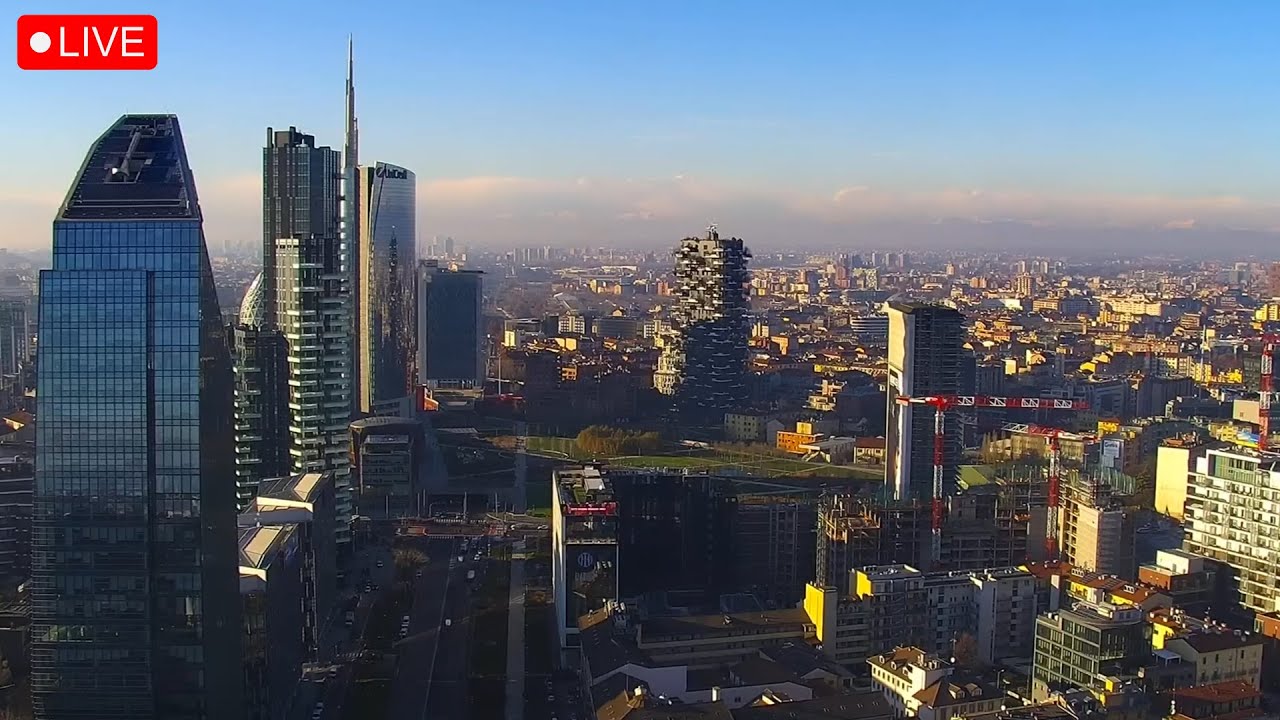
Милан: промышленная столица и центр моды Италии
Италия славится своим солнцем, пастой и римской архитектурой, но есть город, который обладает своей уникальной атмосферой. Это Милан — деловой центр страны, родина моды и символ итальянской современности. Когда вы смотрите веб-камеры Милана, вы видите не просто красивое здание, а место, где история переплетается с инновациями. Этот город известен своей архитектурой, отменным кулинарным мастерством и неповторимой энергией.
История создания и архитектурные шедевры
Миланский собор Дуомо поражает воображение своим масштабом и детализацией. Этот готический храм считается вторым по величине готическим собором в мире, уступая только базилике Святого Петра в Риме
где находится второй по величине готический собор в мире. Его строительство длилось около 600 лет, что делает его одним из самых долгосрочных архитектурных проектов в истории человечествасрок строительства собора около 600 лет. Внутри собора находится около 3 400 статуй, 700 мраморных фигур и 135 горгулий на площади 11 700 квадратных метровв соборе находится около 3400 статуй и 700 мраморных фигур. Своды собора достигают высоты 45 метров, что делает их самыми высокими среди всех достроенных соборовсводы собора самые высокие среди всех достроенных соборов. Под самым куполом хранится уникальная реликвия, которая видна только один раз в году — 14 сентября, в день праздника Церковного новолетияуникальная реликвия под куполом видна только один раз в году 14 сентября. При взгляде на веб-камеры Дуомо вы сможете наблюдать за этой невероятной архитектурой в реальном времени.Романтичные каналы и набережные
В центре города нет типичных итальянских каналов, как в Венеции или Амстердаме, но здесь есть своё уникальное решение. Каналы Навильи были выкопаны в 1156 году в качестве оборонительного рва для защиты от императора Фридриха Барбароссы
каналы Навильи выкопаны в 1156 году. Навильо Гранде — большой канал — имеет протяжённость около 50 км, перепад высот 34 метра и ширину от 20 до 50 метровразмеры каналов Навильо Гранде. Интересный факт: к устройству этих каналов приложил руку знаменитый Леонардо да ВинчиЛеонардо да Винчи участвовал в устройстве каналов Навильи. Сегодня сохранилось только два канала — Навильо Гранде и Навильо Павезе, длиной 32 км каждый. Остальная часть превратилась в автодорогу вокруг исторического центрасохранилось только два канала — Навильо Гранде и Навильо Павезе. Раньше эти каналы создавали искусственную сеть навигации для доставки мрамора, строительных материалов, тканей и продуктовсистема каналов в Милане создана искусственно для доставки грузов. На веб-камеры каналов Навильи приятно смотреть в любое время, наблюдая за проплывающими вдоль набережной катерами, трамваями и уютными кафе.Галерея Витторио Эмануэле II
Центральная торговая галерея Милана — это не просто магазин, а настоящее архитектурное чудо. Галерея Витторио Эмануэле II построена в 1865–1877 годах и является одним из первых в Европе пассажей
годы постройки галереи Витторио Эмануэле II. Она названа в честь короля Виктора Эммануила II, объединившего Италию в XIX векегалерея названа в честь короля Виктора Эммануила II. Это место с оригинальной витражной крышей и мозаичным полом, где открыты известные бренды и рестораны. Галерея стала символом Милана и местом встречи светской жизни и торговли.Замок Сфорца — крепость истории
Рядом с Дуомо находится величественный замок Сфорца, построенный Франческо I Сфорца в 1450–1466 годах как одна из крупнейших крепостей Европы своего времени
годы постройки замка Сфорца. Замок изначально строился за городскими стенами как оборонительная крепость, а не как резиденция в центре городазамок Сфорца изначально строился за городскими стенами. Архитектор Аристотель Фиорованти, работавший над замком, предположительно повлиял на архитектуру московского Кремля, работая с Филарете — автором центральной башни Кремляархитектор Аристотель Фиорованти повлиял на архитектуру московского Кремля. Сегодня замок является музеем и культурным центром, где хранятся картины, скульптуры и произведения искусства.Театр Ла Скала и культурная жизнь
Миланский театр Ла Скала — это всемирно известная опера и балетная сцена. При театре работает музей, посвящённый истории театра, где можно посетить залы, вестибюли и мастерскую
музей при театре Ла Скала. В самом театре действует строгий дресс-код, что придаёт выходам на сцену особую торжественность. Напротив театра в 1872 году установлен памятник Леонардо да Винчи высотой более 4 метров на семиметровом постаментепамятник Леонардо да Винчи перед Ла Скала. Смотрю на веб-камеры Ла Скала, понимаешь, как этот район живёт культурной жизнью — туристы, пресса, гастрономические рестораны.Милан в современном мире
Милан входит в топ самых дорогих городов Италии
Милан входит в топ самых дорогих городов Италии. Это деловой, стильный, богатый и развитый мегаполис, часто сравнивают с Москвой, хотя и не является столицей. Милан — один из крупнейших транспортных узлов Европыодин из крупнейших транспортных узлов Европы, куда ежедневно прибывают тысячи туристов. Местные называют Милан «серой старушкой» — по сравнению с остальной Италией солнца там действительно маломестные называют Милан «серой старушкой». Но этот городской колорит, с туманными улицами, зелёными парками и современными зданиями, создаёт особую атмосферу.Район Навильи — место творчества
Сегодня в районе Навильи много художественных мастерских, частных галерей и винтажных лавочек, а также баров и рынков
в районе Навильи много мастерских и галерей. Это живописная часть города с набережными и уютными кафе, где можно сделать фото. Милан интересен не только бутиками и аутлетами, но и зелёными парками, современной архитектурой и романтичными трамваямив Милане много парков, современной архитектуры и трамваев. Наблюдая за веб-камерами улиц района Навильи, вы увидите, как живёт этот современный район, вдохновляющий художников и дизайнеров.Какие камеры показывают город
Если вы хотите исследовать Милан со всех сторон, наши веб-камеры Милана помогут вам в этом. Просматривая милан онлайн трансляции, можно наблюдать за знаковыми местами города в реальном времени. Камеры установлены на основных достопримечательностях и транспортных узлах, позволяя рассмотреть детали архитектуры, движение транспорта, парки и набережные. Используя милан веб камеры центр и периферию, вы сможете составить представление о городской жизни, даже не выезжая из дома. Совершайте виртуальные прогулки по Дуомо Милан веб камера, наблюдайте за площадью Дуомо онлайн, заглядывайте на галерею Витторио Эмануэле милан камера. Эти обзоры позволяют увидеть город с разных ракурсов и понять его уникальный ритм жизни. Просмотр Милан трансляция онлайн — это удобный способ предварительно оценить, что предлагает этот великий город, перед тем как отправиться в реальное путешествие.