

🏙️ Веб-камеры Дюссельдорф онлайн — смотреть в реальном времени
7 камер



Дюссельдорф — столица земли Северный Рейн-Вестфалия
На западе Германии, там где река Дюссель впадает в величавый Рейн, раскинулся один из самых контрастных городов страны. Население Дюссельдорфа составляет около 600 тысяч человек, что делает его седьмым по величине городом Германии и вторым в земле Северный Рейн-Вестфалия после Кельна. Это место, где средневековые замки соседствуют с футуристическими небоскрёбами, а тихие парковые аллеи — с деловыми кварталами, пульсирующими финансовой жизнью.
Город ведёт свою историю с незапамятных времён: Дюссельдорф впервые упоминается в исторических документах с 1135 года, а в 1288 году получил официальные городские привилегии. С тех пор он прошёл путь от малого поселения на слиянии двух рек до одного из важнейших экономических и культурных центров всей Европы. Сегодня Дюссельдорф — это столица самой населённой федеральной земли Германии, город моды, искусств и международных выставок.
Название городу дала река Дюссель, а на окраине находится знаменитая долина Неандерталь — именно здесь были найдены останки неандертальцев, изменившие представления науки о происхождении человека. Этот исторический контекст придаёт городу особое измерение: вы буквально идёте по местам, где пересекаются тысячелетия.
Альтштадт: историческое сердце города
Если вы хотите почувствовать настоящий дух Дюссельдорфа, отправляйтесь в Альтштадт — Старый город, где каждый камень хранит память о прошлом. Это исторический центр Дюссельдорфа со старинными зданиями XVI–XVIII веков, музеями и историческими памятниками. Центральная площадь — Бургплац, от которой расходятся узкие улочки, вымощенные брусчаткой ещё времён курфюрстов.
Но Альтштадт знаменит не только архитектурой. Альтштадт называют «самой длинной барной стойкой в мире» — на небольшой площади между набережной Рейна и Кёнигсаллее расположено около 250-300 баров и ресторанов. Здесь можно попробовать знаменитое тёмное пльзенское пиво Altbiber, которое варят только в этом регионе, и закусить традиционным блюдом — жареным бычьим филе с луковым соусом. По вечерам, когда включается подсветка старинных фасадов, Альтштадт превращается в одну сплошную вечеринку, где смеются студенты, турицы из Японии и местные жители в одинаковом количестве.
На Бургплац возвышается башня Святого Ламберта — единственная уцелевшая часть дворцового комплекса, чей покосившийся шпиль стал одним из символов города. Рядом — ратуша, построенная в XVI веке, и конная статуя курфюрста Иоганна Вильгельма, при котором Дюссельдорф пережил свой первый расцвет как резиденция герцогов Бергских.
Рейнская башня и набережная
Доминирующая вертикаль города — Рейнская башня высотой 240,5 метра, построенная в 1982 году. Это самое высокое сооружение в Дюссельдорфе, которое видно практически из любой точки города. Первые планы строительства датируются 1913 годом — изначально она должна была превысить Эйфелеву башню на 200 метров, но проект был реализован только в 1980-х годах. Сегодня на башне работает смотровая площадка и вращающийся ресторан, откуда открывается панорама Рейна и окрестностей.
У подножия башни начинается Рейнская набережная — главный променад Дюссельдорфа длиной около 2 километров, соединяющий Альтштадт с районом Медиенхафен. Это излюбленное место горожан и туристов для прогулок, бега и велопрогулок. Широтная полоса вдоль воды, обрамлённая каштанами и липами, заполнена людьми в любое время дня: утром здесь бегают офисные работники, днём — мамы с колясками и скейтеры, вечером — пары, наблюдающие за закатом над рекой.
С набережной открывается вид на Рейн — одну из величайших рек Европы, по которой круглые сутки идут грузовые суда и пассажирские теплоходы. Здесь же расположен и городской порт, напоминающий о том, что Дюссельдорф на протяжении столетий был важнейшей речной гаванью региона.
Кёнигсаллее: парадная улица города
Местные жители называют её просто «Кё» — Кёнигсаллее — одна из самых красивых и богатых улиц Дюссельдорфа с эксклюзивными магазинами, галереями, барами и уличными кафе. Она начинается на площади Graf-Adolf-Platz и проходит параллельно Рейну, соединяя деловую часть города с историческим центром.
Улица была заложена в 1804 году и с тех пор превратилась в витрину роскошной жизни: бутики мировых модных домов, ювелирные салоны, антикварные магазины и художественные галереи выстроились вдоль широкой аллеи, посреди которой течёт канал с плавающими лебедями. Кёнигсаллее — это место, где Дюссельдорф демонстрирует своё богатство и вкус, не стесняясь ни того, ни другого.
Медиенхафен: от гавани к хай-теку
Ещё несколько десятилетий назад это была тихая торговая гавань, где ржавые краны разгружали сухогрузы. Сегодня Медиенхафен превратился в современный деловой и культурный район с выдающейся архитектурой в стиле хай-тек, сохранив очарование старого света. Здесь находятся офисы телеканалов, дизайн-студий, архитектурных бюро и модных ресторанов.
Главная достопримечательность района — здания, спроектированные Фрэнком Гери: три футуристических корпуса, наклонённых друг к другу, словно подхваченных ветром с Рейна. Рядом — другие архитектурные шедевры, превратившие бывший порт в открытый музей современного зодчества. В Медиенхафене находится музей, рассказывающий о развитии морского дела в Дюссельдорфе, экологии Рейна и истории внутренних грузовых перевозок Германии.
Вечером Медиенхафен загоогоживается огнями баров и ресторанов, расположенных прямо у воды. Это одно из самых модных мест города, где собирается публика, следящая за трендами в искусстве, дизайне и гастрономии.
Хофгартен и зелёные зоны
Среди каменных кварталов и стеклянных фасадов Дюссельдорф бережно сохраняет свои зелёные пространства. Хофгартен — один из старейших общественных парков Германии, дизайн которого стал прототипом для общественных парков по всей стране. Разбитный в XVIII веке, он до сих пор остаётся любимым местом отдыха горожан.
Парк протянулся от центра к Рейну, образуя зелёный коридор, по которому можно пройти от Альтштадта до набережной, минуя городскую суету. Пруд с лебедями, аллеи старых лип, скульптуры и фонтаны — Хофгартен предлагает ту размеренность, которой так не хватает в деловой столице. Рядом расположен и Бенратский дворец — пышный барочный особняк XVIII века, окружённый зеркальным прудом, один из лучших образцов садово-паркового искусства Европы.
Карнавалы и традиции
Жизнерадостность — черта, которую невозможно не заметить в характере местных жителей. Ежегодный карнавал в Дюссельдорфе стартует 11 ноября в 11 часов 11 минут с пробуждения Хоппедица — культового персонажа ряженых. Этот праздник ведёт историю с 1829 года и известен далеко за пределами города.
Но главный символ Дюссельдорфа — Радшлегер, «мальчик, делающий колесо», отражающий жизнерадостный нрав города уже несколько веков. Фигурки акробатов, стоящих на руках вниз головой, можно увидеть на каждом шагу — витрины магазинов, указатели, сувениры. Согласно легенде, если монетка упадёт в шляпу Радшлегеру, исполнится самое заветное желание.
Японский квартал — ещё одна уникальная черта Дюссельдорфа. Крупнейшая японская община в Европе обосновалась здесь в 1950-х годах, и сегодня район вокруг улицы Immermannstraße пестрит вывесками на двух языках, суши-барами и книжными магазинами. Это делает город по-настоящему космополитичным местом, где Восток встречается с Западом на берегах Рейна.
Какие камеры показывают город
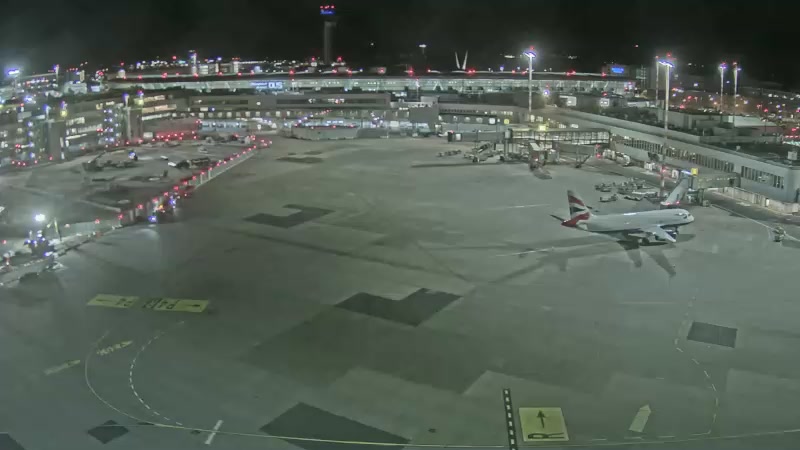
Веб-камеры Дюссельдорфа онлайн дают возможность увидеть город в реальном времени, не покидая дома. На этой странице собраны трансляции с ключевых точек города: от панорамных видов с Рейнской башни до уличных камер в Альтштаде и на набережной. Вы можете наблюдать за жизнью Кёнигсаллее, следить за движением судов по Рейну или просто наслаждаться атмосферой одного из самых колоритных городов Германии.
Прямой эфир из Дюссельдорфа особенно интересен тем, кто планирует поездку в Северный Рейн-Вестфалию или просто хочет прикоснуться к рипу европейского мегаполиса. Камеры в центре города показывают Бургплац и окрестности ратуши, а трансляции с набережной — речную гладь и силуэты Медиенхафена. Выбирайте любую точку и смотрите Дюссельдорф онлайн — город не перестаёт удивлять ни днём, ни ночью.