

🏙️ Веб-камеры Амстердам онлайн — смотреть в реальном времени
7 камер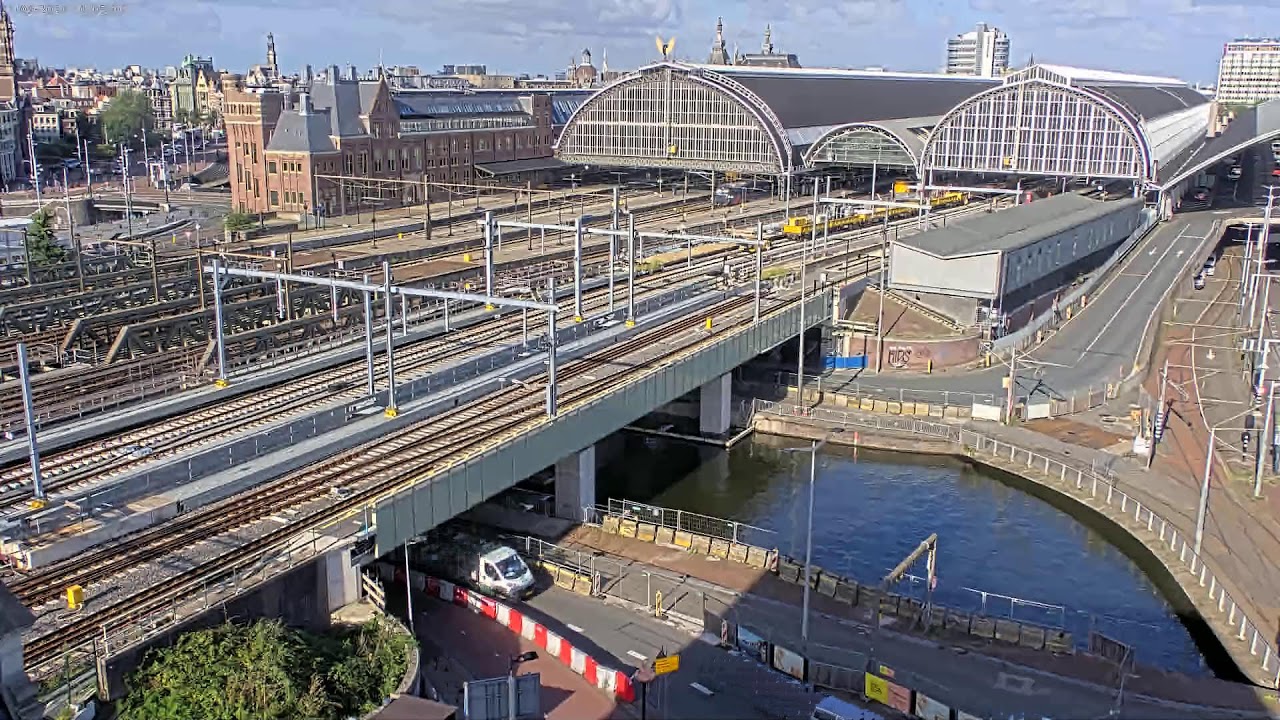

Амстердам — город на воде: каналы, мосты и архитектура
Амстердам стоит на воде — в буквальном смысле. Столица Нидерландов расположена на 4 метра ниже уровня моря, и его существование возможно только благодаря сложной системе дамб, каналов и насосных станций. Три главных городских канала — Херенграхт, Кейзерсграхт и Принсенграхт — образуют центральную систему каналов, опоясывающую историческое ядро города концентрическими полукольцами. Всего в Амстердаме 165 каналов и более 1500 мостов, а кольцо каналов XVII века в 2010 году было включено в список Всемирного наследия ЮНЕСКО. Наблюдать за этой водной артерией в реальном времени можно через веб-камеры Амстердама, установленные вдоль набережных — они передают неспешное течение жизни вдоль каналов, где плавучие дома покачиваются у кромки воды, а мосты соединяют узкие улочки.
Архитектура центра заслуживает отдельного внимания. Старые дома в Амстердаме узкие и вытянуты вверх на 3–4 этажа из-за дефицита земли, а их фасады часто наклонены вперёд — либо по историческим причинам, либо чтобы продемонстрировать красивую кладку. Многие здания стоят на сваях, забитых в мягную почву, и со временем некоторые из них накренились. Это создаёт тот самый узнаваемый облик Амстердама — причудливый, слегка наклонный, отражающийся в тёмной воде каналов.
Велосипедная столица мира: как Амстердам живёт на колёсах
Велосипед в Амстердаме — не развлечение, а повседневность. По состоянию на 2019 год в городе насчитывается более 880 тысяч велосипедов — больше, чем самих жителей. Ежедневно 63% горожан используют велосипед как основной транспорт, и это не преувеличение: на улицах действительно больше двухколёсных, чем автомобилей. Велосипедные парковки у Центрального вокзала напоминают многоэтажные гаражи, а рядом с вокзалом даже построен подземный гараж для велосипедов прямо под каналами — уникальная подводная парковка, вмещающая тысячи велосипедов.
Но у велосипедного бума есть и тёмная сторона. Специальная муниципальная служба поднимает со дна каналов от 12 000 до 20 000 велосипедов в год — это превратилось в своеобразный городской ритуал. То ли из-за вандализма, то ли из-за небрежности, велосипеды регулярно оказываются в воде, и специальные суда с кранами вылавливают их со дна. Наблюдать за этим процессом можно в прямом эфире — некоторые веб-камеры Амстердама показывают набережные, где разворачивается эта борьба за чистоту каналов.
Исторический центр: от площади Дам до Королевского дворца
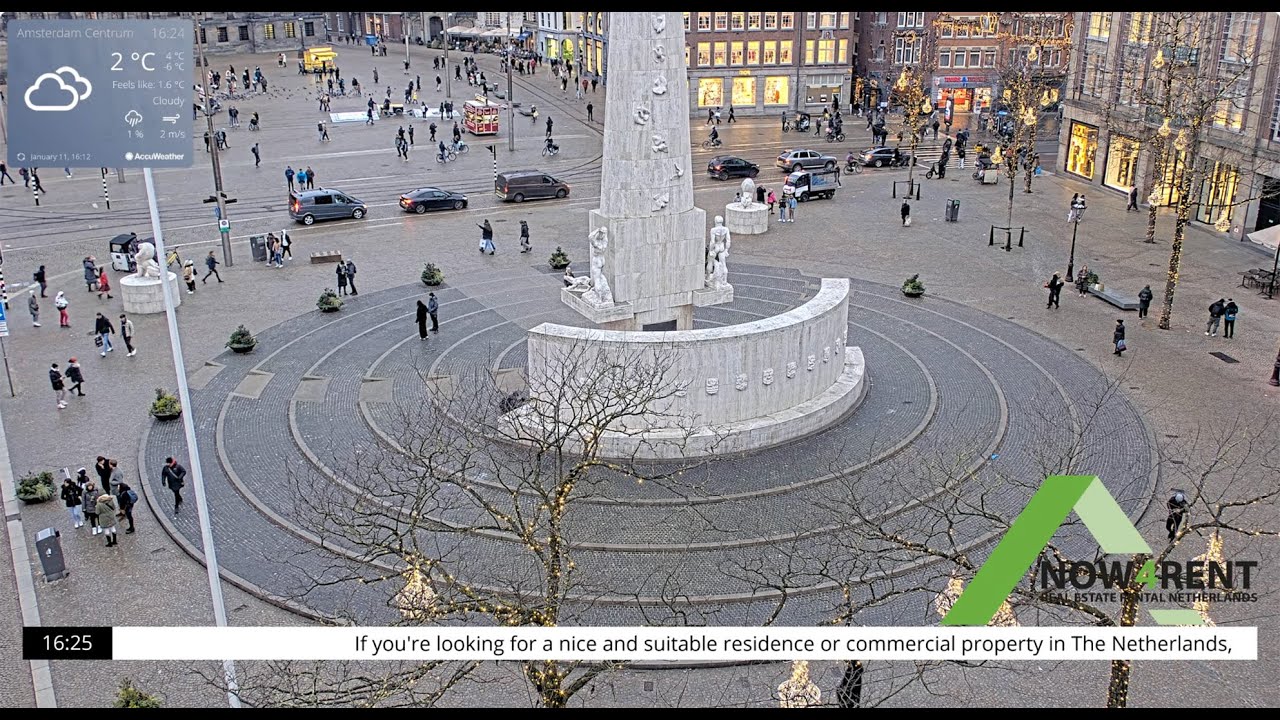
Площадь Дам — сердце Амстердама и место, где город был основан в XIII веке. Именно здесь, на дамбе на реке Амстел, рыбаки построили первые дома, положив начало будущей столице. Сегодня площадь окружена монументальными зданиями: Королевский дворец, Новая церковь (Нейве Керк) и Национальный монумент жертвам Второй мировой войны. Дворец изначально был ратушей, но в 1808 году Луи Бонапарт, брат Наполеона, превратил его в королевскую резиденцию.
От площади Дам лучи расходятся в разные районы — к Центральному вокзалу, к кварталу красных фонарей, к торговым улицам. Улица Дамрак — главная артерия, соединяющая вокзал с площадью, — заполнена туристами, уличными музыкантами и кафе. Центр Амстердама компактен: его можно обойти пешком за пару часов, но каждый уголок скрывает что-то неожиданное — от скрытых двориков (хёфс) до средневековых церквей, спрятанных между обычными домами.
Квартал красных фонарей и другие необычные районы
Квартал красных фонарей, известный как Де Валлен, — один из старейших районов города, известный витринами с красной подсветкой, кофешопами и тематическими музеями. Это район, где легализована проституция и где туристы смешиваются с местными жителями, создавая особую атмосферу. Но Де Валлен — это не только витрины: здесь находятся старейшая церковь Амстердама — Ауде Керк (XIV век), а также музеи конопли, пива и сыра.
Кофешопы Амстердама — отдельная тема. Это легальные заведения с разрешением на публичную продажу конопли, причём по закону одному посетителю можно продать не более 5 граммов марихуаны. Кофешопы давно стали частью городской культуры, и их зелёные логотипы можно встретить по всему Амстердаму — от центра до спальных районов.
Музеи и культура: от Рейксмюсеума до дома Анны Франк
Амстердам — город музеев. Рейксмюсеум, главный художественный музей страны, храшит «Ночной дозор» Рембрандта и десятки работ голландских мастеров золотого века. Музей Ван Гога — крупнейшая коллекция работ художника в мире, включающая более 200 картин и 500 рисунков. Стеделейк Музей посвящён современному искусству, а дом Рембрандта восстановлен в том виде, в каком мастер жил и работал в XVII веке.
Но самый пронзительный музей Амстердама — дом Анны Франк. В этом доме на Принсенграхт еврейская семья пряталась от нацистов во время оккупации, и Анна вела дневник, ставший одним из самых известных документов эпохи. Музей сохранил комнаты в том состоянии, в каком они были во время войны, и посещение оставляет глубокое впечатление. Очередь сюда — обычное дело, и веб-камеры Амстердама иногда показывают эту очередь вдоль канала — молчаливое свидетельство того, что память жива.
Природа и парки: зелёные лёгкие мегаполиса
Несмотря на плотную застройку, Амстердам удивительно зелёный город. Фунапарк — крупнейший парк, спроектированный в английском стиле с прудами, лужайками и вековыми деревьями. Вонделпарк, названный в честь писателя Йоста ван ден Вондала, — любимое место отдыха горожан: здесь проходят концерты, пикники и просто прогулки. В пригороде Заансе Сханс сохранились исторические мельницы, которые раньше использовались как пилорамы и насосы для осушения земель — деревня была центром кораблестроения.
Ветряные мельницы в Нидерландах с XVI века использовались в первую очередь как насосы для перекачки воды и осушения польдеров, а не для помола муки. Это ключевая технология, позволившая нидерландцам отвоевать землю у моря и создать страну, значительная часть которой расположена ниже уровня океана. Амстердам — прямое следствие этой многовековой борьбы с водой.
Развилка 15 мостов и другие скрытые жемчужины
В Амстердаме есть место, откуда открывается вид сразу на 15 мостов одновременно — одно из самых необычных мест для наблюдения. Эта развилка стала своеобразной достопримечательностью для фотографов и туристов, ищущих нестандартные ракурсы города. Подобные скрытые жемчужины разбросаны по всему Амстердаму: от крошечных магазинчиков сыра до плавучих цветочных рынков на каналах.
Блошиный рынок Waterlooplein, еврейский квартал с его памятниками жертвам Холокоста, район Йордан с его уютными кафе и антикварными лавками — каждый уголок города имеет свой характер. Амстердам не сводится к стереотипам о кофешопах и красных фонарях: это многослойный город, где история переплетается с современностью, а местные жители живут в ритме, заданном водой, велосипедами и вечным ветром с Северного моря.
Какие камеры показывают город
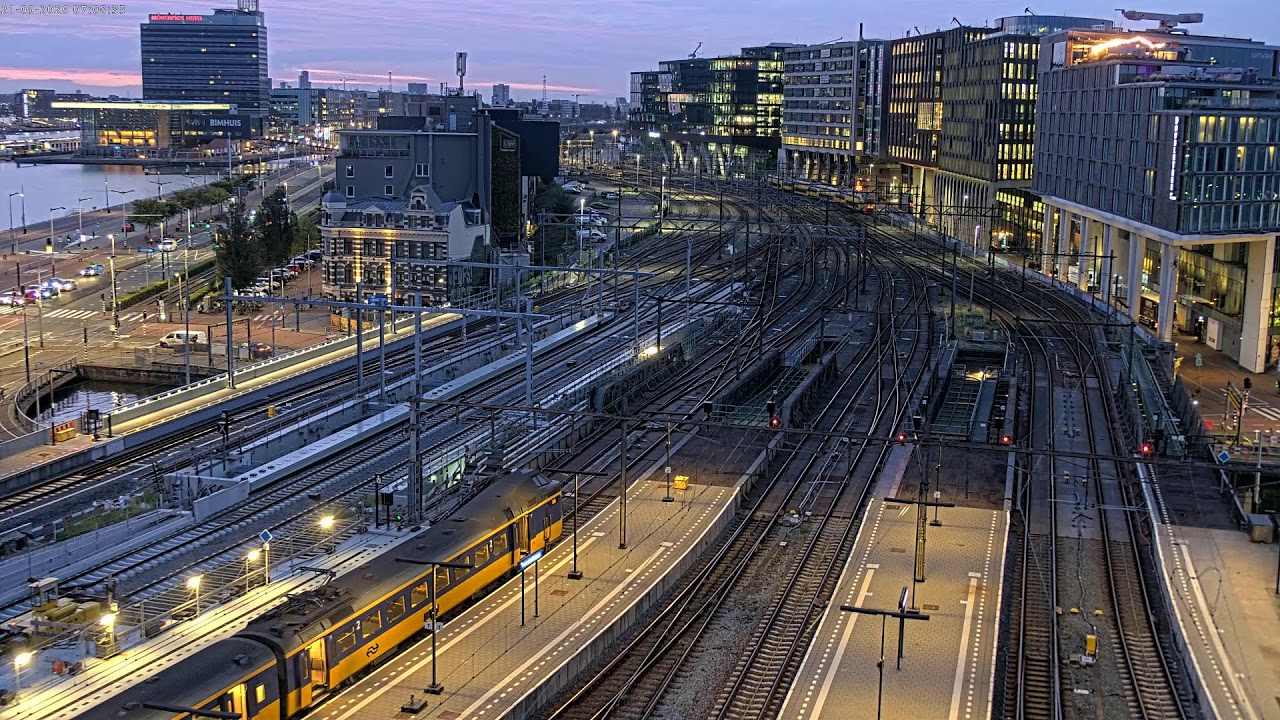
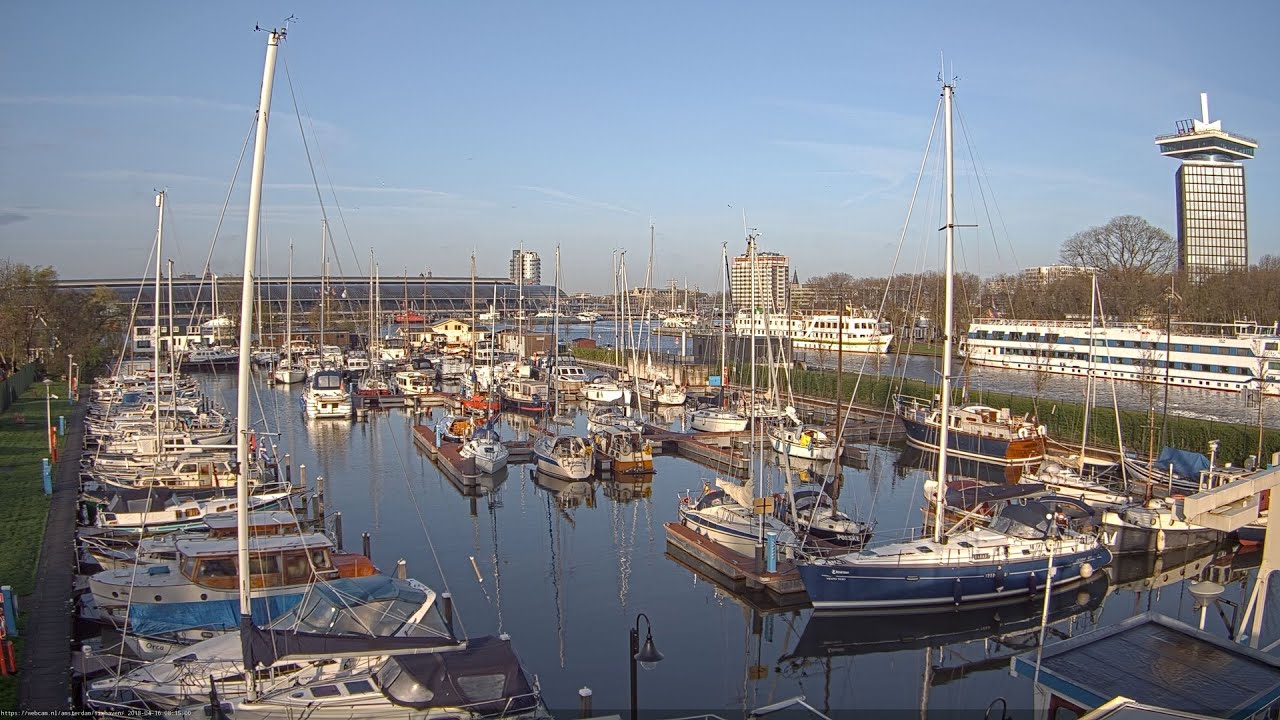
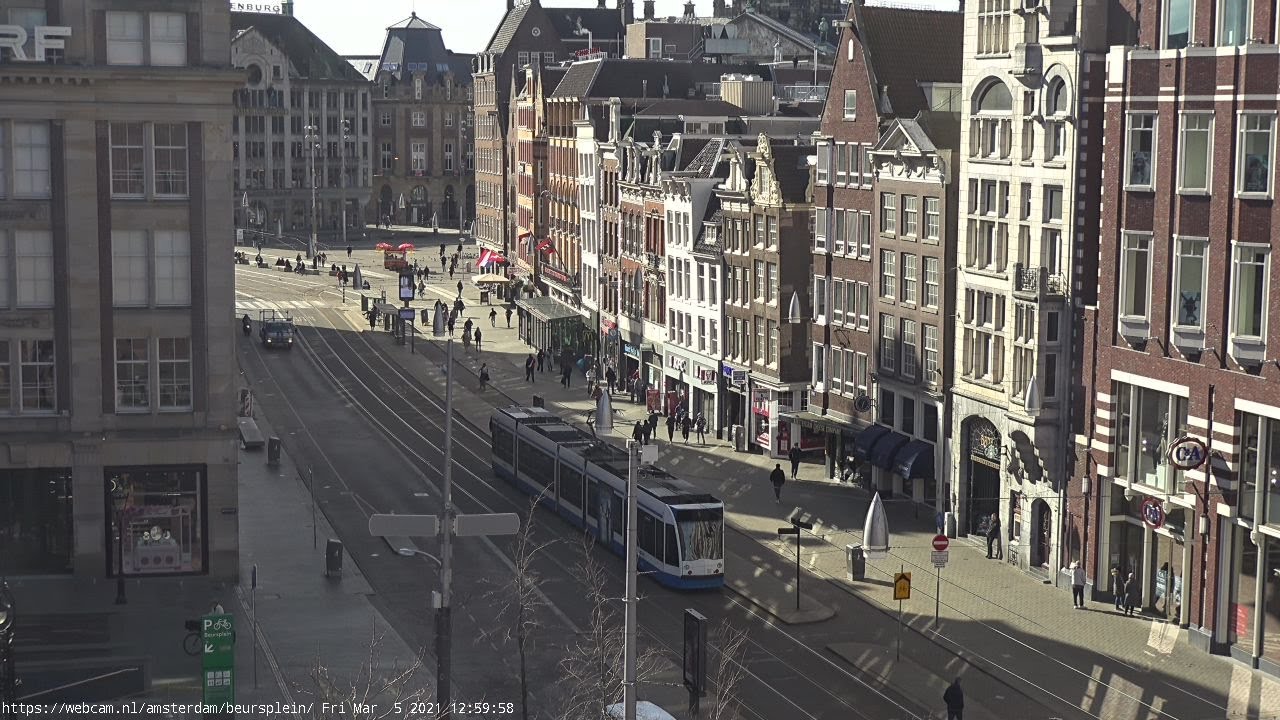
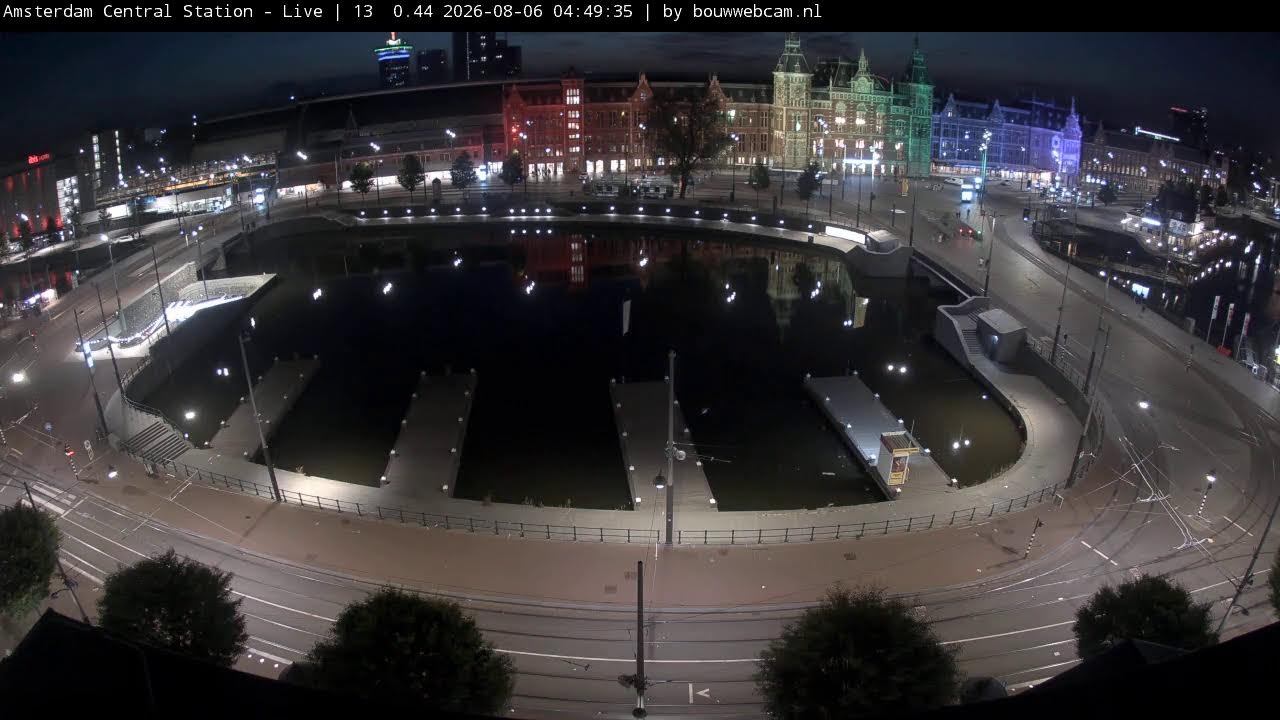
Веб-камеры Амстердама онлайн позволяют увидеть город в реальном времени — от оживлённых площадей до тихих каналов. Уличные камеры установлены в центре Амстердама, на набережных главных каналов, у Центрального вокзала и на ключевых перекрёстках. Прямые трансляции идут в HD качестве, и многие из них работают круглосуточно, позволяя наблюдать за городом в любое время — от утренней пробежки вдоль Херенграхт до вечерних огней на площади Дам.
Онлайн-трансляции с веб-камер Амстердама — это возможность увидеть, как город живёт: велосипедисты спешат по делам, туристы фотографируются на мостах, а вода в каналах отражает меняющееся небо. Наблюдение за городом через веб-камеры — бесплатно и без регистрации, достаточно выбрать интересующую точку и смотреть Амстердам в реальном времени. Камеры показывают не только достопримечательности, но и повседневную жизнь столицы Нидерландов — город, который никогда не спит, но всегда сохраняет своё неповторимое очарование.