

🏙️ Веб-камеры Лиона онлайн — смотреть город в реальном времени
6 камер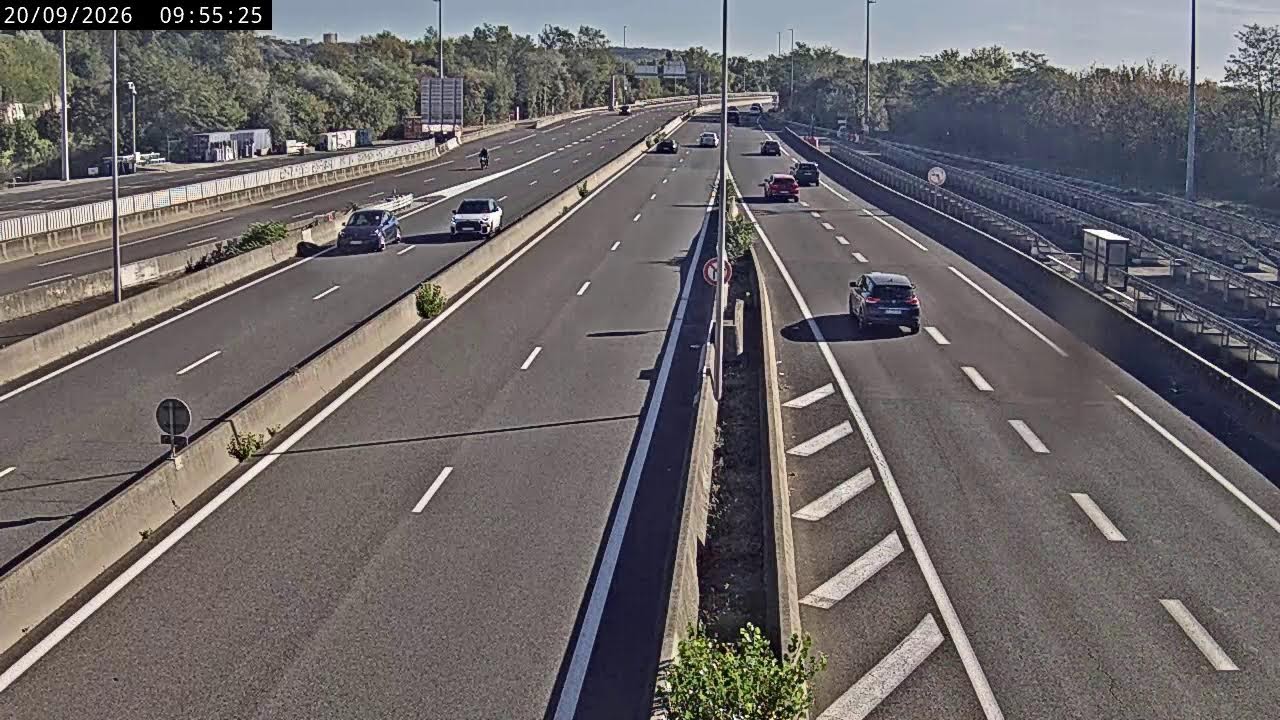


Веб-камеры Лиона онлайн — смотреть город в реальном времени
Франция предлагает путешественникам десятки городов с неповторимой атмосферой и историей. Одним из самых интересных направлений является Лион — культурный центр страны, расположенный в восточной её части. Для тех, кто не может посетить Францию лично или хочет заранее оценить погоду и обстановку, веб-камеры Лиона в реальном времени станут идеальным инструментом. Наблюдение за городом с экрана позволяет ощутить ритм жизни, увидеть архитектурные достопримечательности и оценить атмосферу разных районов Лиона без отрыва от дома.
История города
Лион имеет богатое прошлое, которое прослеживается ещё с древних времён. Этот город был основан римлянами в 43 году до н.э. и долгое время оставался важным торговым центром региона. Историческое наследие Лиона сохранилось в виде руин, музеев и старинных сооружений, которые можно увидеть через веб-камеры, особенно в исторических районах. Архитектура города сочетает в себе римские корни, средневековые здания и современные сооружения, что делает его уникальным объектом для наблюдения.
Старый Лион и архитектурные достопримечательности
Одной из ключевых зон Лиона является Старый город, который включён в список Всемирного наследия ЮНЕСКО. Этот район состоит из трёх кварталов, каждый из которых обладает своей атмосферой и характерными особенностями. Через веб-камеры можно наблюдать за архитектурой исторических улиц, увидеть дома XVI—XVIII веков, узкие переулки и внутренние дворы. Архитектурные формы Старого Лиона отражают много веков истории, от античных времен до эпохи Возрождения и классицизма.
Лионское наследие: трабули и фрески
Особенностью Лиона является сеть узких проходов, которые местные называют трабули. Это сквозные крытые или открытые проходы, соединяющие основные улицы и проходящие через дома и внутренние дворики. Всего в городе насчитывается около 500 таких проходов, некоторые из которых имеют лестничные переходы. Самые живописные трабули сосредоточены в квартале Сен-Жан Старого Лиона, порядка 40 из них открыты для посетителей.
Трабули появились ещё в IV веке и изначально служили для спуска жителей к реке Соне за водой. Сегодня они стали важной частью городской топологии и туристической привлекательности Лиона. Кроме того, Лион известен своим стрит-арт. В городе около 250 фресок-тромплёй, почти все появились в последние двадцать лет. Самая большая фреска — стена ткачей на Круа-Рус, а среди известных работ выделяется фреска «Знаменитые лионцы» на фасаде старинного дома. Эти художественные произведения добавляют яркости городской панораме и превращают обычные стены в живописные полотна.
Гастрономическая столица Франции
Лион часто называют гастрономической столицей Франции. Эта репутация подкрепляется разнообразием и качеством местной кухни. В городе множество ресторанов и закусочных, среди которых особое место занимают бушоны — почти домашние забегаловки с доступной и очень вкусной местной кухней. Именно здесь можно попробовать традиционные лионские блюда и оценить кулинарное мастерство местных жителей. Бушоны представляют собой живое наследие лионской гастрономии, и через веб-камеры можно оценить атмосферу уличных мест и ритм городской жизни.
Кинематограф в Лионе
Лион также связан с важными событиями в истории кино. 13 февраля 1895 года братья Луи и Огюст Люмьер запатентовали первую кинокамеру, создав основу кинематографа. В честь этой даты в городе был открыт Музей Люмьер, который стал колыбелью кинематографа. История развивается и сегодня: кинематографические традиции Лиона продолжают вдохновлять filmmakers со всего мира, а фестивальные программы города привлекают любителей кино. Наблюдение за городом с веб-камеры позволяет увидеть городские пространства, которые могли бы стать сценой для кинематографических событий.
Праздники и события
Год в Лионе наполнен разнообразными фестивалями и культурными мероприятиями. Одним из самых ярких событий является Фестиваль света. Традиция фестиваля света началась в 1852 году, когда в Лионе планировали открыть золотую статую Девы Марии на вершине холма Фурвьер. С тех пор ежегодно с 8 декабря на четыре дня город наполняется световыми инсталляциями, выставками и тематическими программами. Этот фестиваль приурочен к празднику в честь Марии, матери Иисуса. Праздник света преобразует город в яркое световое пространство, и через веб-камеры можно увидеть масштабы оформления даже издалека. Кроме того, в декабре Лион устраивает «Фестиваль шелка», посвящённый ремеслу и традициям. Выставки, мастер-классы и демонстрации, связанные с шелковым ремеслом, привлекают сотни посетителей со всей страны.
Живописные районы и улицы
Районы Лиона имеют свои характерные черты и создают неповторимую атмосферу города. От исторических кварталов до современных площадей — каждый уголок Лиона заслуживает внимания. Веб-камеры позволяют наблюдать за течением жизни в разных частях города, оценить вид на реки и улицы. Сады и парки, набережные и площади — всё это создаёт ландшафт Лиона, который манит исследователей и любителей красивых видов. Панорамы города с камер дарят возможность ощутить его масштаб и красоту, не выходя из дома.
Какие камеры показывают город
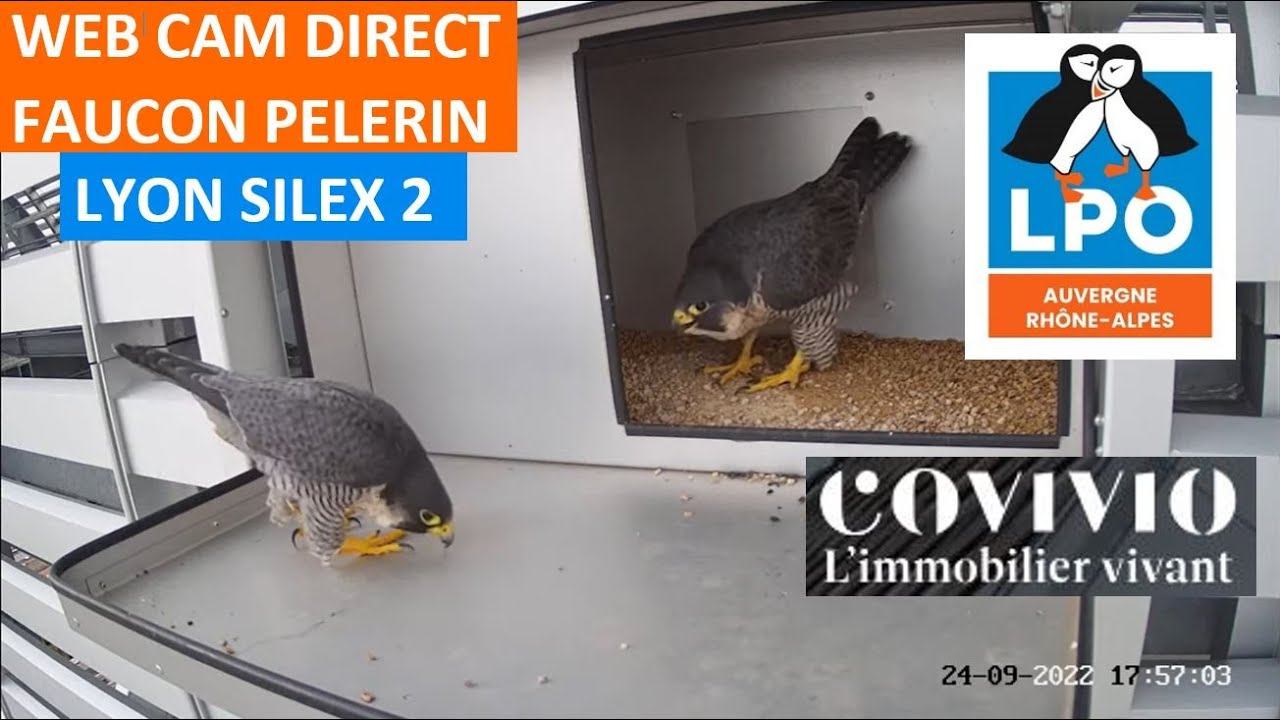
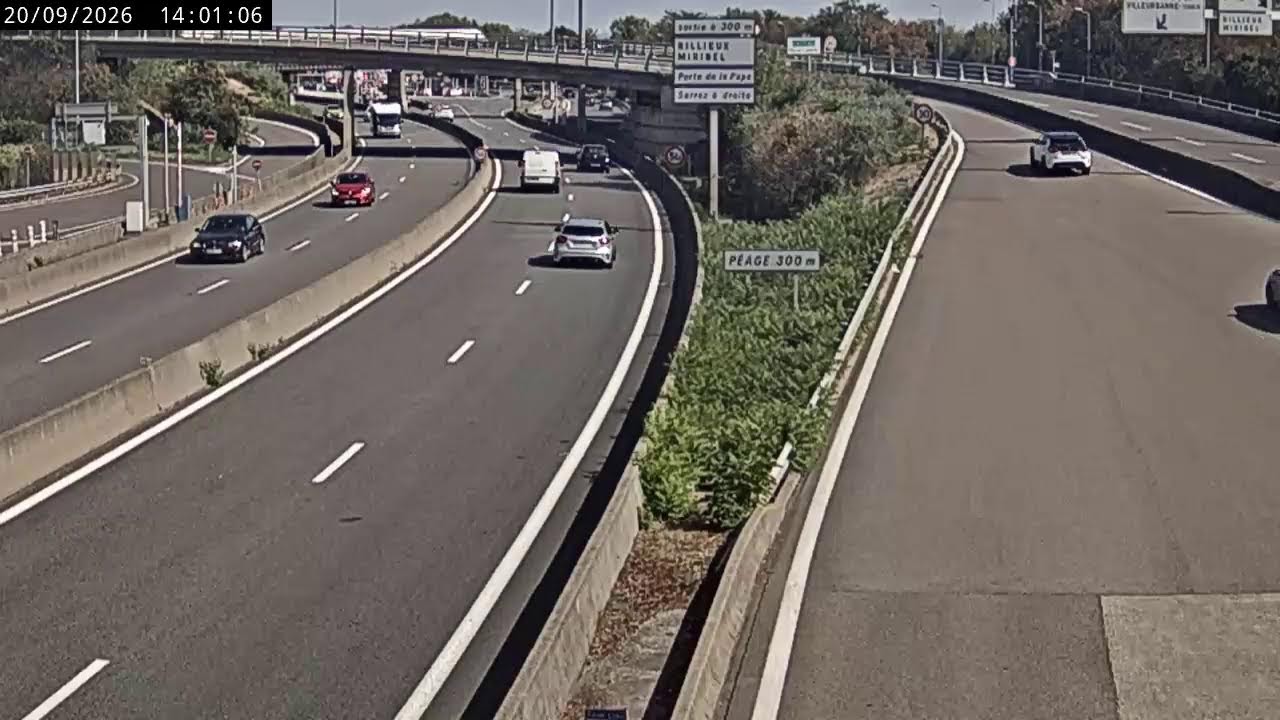
Для тех, кто хочет погрузиться в атмосферу Лиона, предлагается несколько направлений веб-камерного наблюдения. Веб-камеры Лиона онлайн предлагают трансляции с ключевых точек города: исторических улиц, парков, площадей и районов с фресками. При выборе камеры можно оценить погоду и движение на улицах, увидеть текущее освещение и оценить атмосферу разных часов дня. Веб-камеры Лиона в реальном времени делают город доступным для наблюдения, позволяя чувствовать присутствие в нём даже на расстоянии. История, культура и искусство Лиона раскрываются через камеру, превращая каждый просмотр в небольшое путешествие по французскому городу.